Granite stones bring natural color, texture, and lasting stability to any garden or landscape. This guide highlights five top granite-focused products that suit different garden needs—from decorative gravel and cobbles to durable stepping stones. Whether you’re designing a low-maintenance path, edging a flower bed, or adding focal points, these picks help you achieve a polished look. Each option is best for specific scenarios: gravel for soft groundcover, decomposed granite for paths, cobblestones for edging, decorative river rocks for color, and rubber stepping stones for safe, easy installation.
Summary at a glance: the table below shows the five selected granite-focused products, their primary use, and ideal buyer profiles to help you compare quickly.
| Product | ||
|---|---|---|
| Granite Gravel, 3/4″, 40 LBS, Gray Granite | Garden beds and decorative rock borders | Bluish gray granite with natural texture for low-maintenance ground cover |
| Southwest Boulder & Stone Decomposed Granite | Paths, driveways, patios | Versatile color options and easy installation at a budget |
| REALGOODS Gray Granite Cobblestone | Paver edging and patios | Classic gray tones with durable, uniform shape |
| Virekm River Rocks | Ornamental borders and planters | Natural stones in varied colors for visual interest |
| Sekcen Rubber Stepping Stones | Safe, easy outdoor pathways | Lightweight, anti-slip, weather-safe stepping stones |
Granite Gravel, 3/4″, 40 LBS

Best for: budget-minded homeowners who want durable, low-maintenance ground cover for garden borders, decorative planters, or around edging. This 3/4″ gravel provides a natural bluish-gray tone that blends with most greens and browns. The compact size helps reduce weeds and stabilize soil in bed borders while still allowing water infiltration. Choose this if you want a classic garden look without frequent replacement.
Why selected: Natural granite gravel is widely used in landscapes for its resilience and timeless appearance. The 40-pound bag is convenient for small to medium projects and provides consistent color and size for cohesive designs.
Caution: As with any loose gravel, expect some shifting after heavy rainfall or disturbance; consider edging to maintain a clean bed line.
Southwest Boulder & Stone Landscape Decomposed Granite

Best for: homeowners planning versatile ground-cover projects such as winding paths, patios, and driveways. Decomposed granite is easy to install and compact, offering a natural finish with a wide color range that complements many garden styles. It’s a practical choice for affordable, resilient pathways and landscape features.
Why selected: The product emphasizes extreme versatility and design appeal, with multiple color options that can coordinate with house exteriors and plant palettes. It’s also a cost-effective solution for new pathways and ground covers.
Caution: Crusher fines can be dusty during installation; consider pre-wetting and completing compaction in stages to minimize displacement on slopes or high-traffic areas.
REALGOODS Gray Granite Cobblestone

Best for: edging driveways, patios, or garden borders where a more formal, paved look is desired. The square cobblestones provide defined lines and a classic gray tone that ages gracefully with minimal maintenance. This option helps create durable walkable surfaces in outdoor spaces.
Why selected: Cobblestones offer structural stability and a deliberate, timeless aesthetic. The consistent dimensions and neutral color fit many landscape designs and reduce the need for frequent replacement.
Caution: Cobblestones require proper installation with a stable base and joint material to prevent movement and ensure long-term surface performance.
Virekm River Rocks
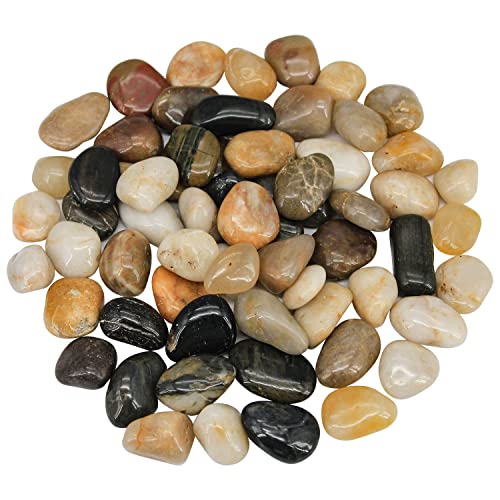
Best for: adding color and texture to planters, pathways, water features, or fairy gardens. The natural stones provide varied hues that reflect sunlight and create focal points in mixed plantings. Suitable for indoor or outdoor displays where a natural look is desired.
Why selected: These stones are natural and lightly polished, giving soft edges and a pleasing finish. They work well in mixed media designs, where color variety enhances visual interest.
Caution: The stones are small and rounded; avoid using in high-traffic paths where sharp-edged stepping surfaces are preferred to reduce tripping risk.
Sekcen Rubber Stepping Stones

Best for: creating safe, maintenance-free stepping surfaces in garden paths or around play areas. The rubber stones mimic the look of natural flagstone without heavy lifting or professional installation. They’re ideal for renters or anyone prioritizing ease of setup and safety.
Why selected: The anti-slip surface and durable construction make these stepping stones a practical option for wet conditions and diverse weather. They’re lightweight and easy to reposition as layouts change over time.
Caution: Rubber stepping stones are best for light-to-moderate traffic; for heavy foot traffic or stone-like aesthetics, combine with other granite elements for stability and style.
Buying Guide: Granite Stone Choices For Gardens
What should you consider when choosing granite stones for landscaping? Start with your project goal, site conditions, and maintenance preferences. Here are practical questions and answers to guide a confident decision.
- What is the primary use? If you want a ground cover, choose granite gravel or decomposed granite for better drainage. For edging or patios, cobblestones or larger river rocks provide structure and form. For safe, lightweight paths, consider rubber stepping stones as a low-effort option.
- How much color variation is acceptable? Natural granite comes in a range of gray to bluish hues with subtle color shifts. River rocks add color variety, while uniform cobblestones deliver a more formal look.
- What base or installation is required? Cobblestones and larger stones usually need a stable base and joint materials. Gravel and decomposed granite require proper compaction and edging to maintain their shape over time.
- Are pets or children a concern? Rubber stepping stones provide a low-luss option that reduces tripping risk and is easier to reposition, but they won’t deliver the same stone aesthetic as real granite.
- What’s the maintenance expectation? Gravel and decomposed granite require occasional top-ups and leveling, while cobblestones and river rocks largely maintain themselves with minimal intervention.
Practical Design Tips
- Use a consistent palette: pair bluish-gray granite gravel with white or cream edging to highlight plant color and texture.
- Combine textures: mix cobblestones with finer gravel to create visual interest and walkable paths.
- Plan for drainage: avoid compacting soil too much under stones; ensure adequate slope for water runoff in paths and patios.
- Edge protection matters: add edging or landscape fabric with appropriate joint materials to keep stones in place and reduce weed growth.
- Consider scale: larger stones work well in bigger landscapes; smaller stones suit compact beds or decorative accents.
FAQ
What is the difference between granite gravel and decomposed granite? Granite gravel is larger, coarser, and provides a decorative ground cover. Decomposed granite is finer, compacts more easily for pathways, and often creates a smoother walking surface.
Can granite stones be used indoors? Some decorative stones can be used in indoor planters or water features, but be mindful of moisture and cleaning needs. Outdoor-only products are best for gardens and pathways.
Do I need professional installation for cobblestones? Cobblestones generally require a stable base, edging, and proper joint material. For complex layouts, a professional can ensure a level surface and long-term stability.
Are granite stones environmentally friendly? Natural granite is inert and durable, typically requiring minimal maintenance. Some products may include additives or resins in binders or glues; review materials for pet safety and environmental impact if relevant.