Finding the right grass seed for deep shade can transform a dim, thirsty spot into a lush, green patch. The top products below are selected for shade tolerance, germination speed, and overall lawn health in areas with limited sun. This guide highlights suitable buyers—the homeowner with large shade areas, urban yards with tree canopies, and those seeking quick, dense coverage. A quick reference table is included to compare key details at a glance.
| Product | Best For | Shade Tolerance | Coverage |
|---|---|---|---|
| Pennington Smart Seed Dense Shade Grass Mix | Best for mixed shade patches | High | 7 lb bag coverage varies by lawn |
| Jonathan Green Black Beauty Dense Shade (1 lb) | Best for small, stubborn shady patches | High | 1 lb seed bag |
| Scotts Turf Builder Dense Shade Mix (2.4 lb) | Best for larger shade areas | High | Up to 600 sq. ft. |
| Jonathan Green Black Beauty Dense Shade (25 lb) | Best for large lawns | High | 25 lb bag covers large area |
| GreenView Pure Grass Seed Dense Shade (3 lb) | Best for near-wooded or high shade | High | Up to 1,500 sq. ft. |
Note: All selections emphasize shade tolerance and establishment speed. The right choice depends on your lawn size, existing sunlight patterns, and weed pressure. Consider seed blends that combine tall fescue, fine fescue, or bluegrass varieties known to perform well in low-light conditions.
Pennington Smart Seed Dense Shade Grass Mix
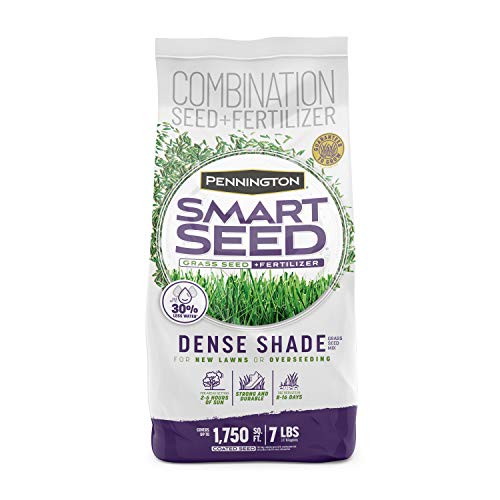
Features blend Tall Fescue and Fine Fescue designed for shady conditions. Aims to grow thick, green grass where sunlight is scarce. Contains a balanced amount of fertilizer to support lawn establishment. Best for medium-sized shade patches under trees or near structures. Suitable for those wanting a low-maintenance mix with good tolerance to shade. Caution: In extremely dense shade or heavily compacted soils, germination may be slower than ideal.
Who it’s best for and why selected
Best for homeowners with mid-sized shade zones mixing trees and structural shade. The Tall and Fine Fescue blend provides a forgiving turf that establishes well in partial sun and improves density in problem areas. Chosen for its balanced fertilizer inclusion, which can support quicker establishment in shady lawn zones. Use this seed if your shaded area has moderate soil compaction and you want a durable, low-input lawn.
Cautions / Limitations
Results can vary if shade is too dense or soil is chronically compacted. Avoid planting in full sun or in zones with chronic drought without irrigation. Germination typically requires consistent moisture for best results.
Jonathan Green Black Beauty Dense Shade Seed (1 lb)

Shade-tolerant seed mix designed for areas with limited sunlight. Produces a dark green lawn with a dense, attractive turf. Germination typically completes in about 14–21 days. The blend includes endophytes, which can contribute to healthier turf in challenging light conditions. Best for lawns shaded by trees, shrubs, or structures.
Who it’s best for and why selected
Best for small to mid-sized shady patches where a dark green appearance and quick establishment are priorities. The 1 lb bag is ideal for single areas like under a tree, along a fence line, or near a driveway where shade is persistent. Selected for its strong shade tolerance and rich color.
Cautions / Limitations
Limited seed volume means this is suited to targeted patches rather than large lawns. For extensive shade, combine with additional seed blends to cover broader areas.
Scotts Turf Builder Dense Shade Mix (2.4 lb)

This seed mix grows with as little as 3 hours of sun, incorporating Root-Building Nutrition to promote stronger roots. It is designed for both new lawns and overseeding existing lawns that receive sparse sunlight. Best for transitioning shady patches to denser turf while improving root structure. Use in spring or fall when soil or air temperatures are within recommended ranges.
Who it’s best for and why selected
Best for homeowners who need faster establishment in areas with intermittent or low sun. The Root-Building Nutrition supports deeper root growth, helping the lawn resist drought and recover from shade-induced stress. Choose this if you want a broader approach to shade tolerance with root reinforcement.
Cautions / Limitations
Not ideal for areas with extreme or persistent dense shade. In very shaded microclimates, results may be slower or require supplemental irrigation. Follow local best practices for watering during establishment.
Jonathan Green Black Beauty Dense Shade Seed (25 lb)

Large-bag shade-tolerant grass seed designed for bigger lawns with limited sunlight. Provides a dark green color and dense turf. Germination typically occurs within 14–21 days, with endophytes included in the mix for turf health. The 25 lb bag is intended to cover substantial lawn areas that require reliable shade performance.
Who it’s best for and why selected
Best for homeowners with extensive shady zones that require bulk seed. The 25 lb bag offers coverage for larger lawns and reduces the need for frequent reseeding. It’s selected for its combination of shade tolerance, appearance, and scalable quantity.
Cautions / Limitations
Large seed quantities require careful planning to ensure even distribution. In very dense shade, overseeding in stages may yield better germination and coverage than a single large application.
GreenView Pure Grass Seed Dense Shade (3 lb)

Dense shade mix featuring a curated blend of varieties optimized for shade. Notably weed-free testing, aiming for a pristine lawn when weed pressure is low. Quick germination, typically within 10–14 days, supports faster results and quicker lawn improvement in shaded zones.
Who it’s best for and why selected
Best for homes near dense tree canopies or north-facing yards where sunlight is limited. The weed-free guarantee helps reduce weed competition during establishment, and the 3 lb bag is suitable for medium-size shade patches or to test a new shade area before full-scale seeding.
Cautions / Limitations
Weed-free status depends on seed lot quality and field conditions. For best results, prep soil by removing existing weeds and ensuring adequate moisture during germination.
Buying Guide: Shade-Tolerant Seed Essentials
What makes a seed blend truly shade-tolerant? Look for tall fescue and fine fescue components, which generally tolerate low light better than many cool-season grasses. Consider root-building nutrients that promote resilience in shaded beds and soils that often stay damp longer or experience root competition from tree roots.
- Coverage needs: Measure the area accurately and pick a product with sufficient coverage to avoid waste or gaps.
- Germination time: Faster germination reduces the window for weeds to establish and helps you see results sooner.
- Soil and moisture prep: Shade areas often have drier microclimates or variable moisture; ensure proper watering and soil preparation for even seed-to-soil contact.
- Weed pressure: Some blends advertise weed-free seed or endophyte presence; combine with weed control for best results.
- Maintenance needs: Shade-tolerant grasses may require less mowing but still benefit from regular mowing height management to encourage robust blades.
How to choose the right product for your lawn
Assess your shaded area: the amount of sun per day, soil condition, and irrigation availability. For small patches, a single 1 lb or 3 lb bag may suffice. For larger lawns, a 25 lb or 7 lb bag helps ensure even coverage with fewer reseeding efforts. If you have vast shade coverage or a scatted mixture of shade and sun, consider blends with multiple shade-tolerant varieties to maximize resilience across microclimates.
Seed preparation and seeding steps
- Test and amend soil if needed to reach optimal pH and nutrient balance for cool-season grasses.
- Rake and loosen the soil surface to promote seed-to-soil contact.
- Evenly distribute seed according to product guidance, then lightly rake or press to ensure contact.
- Keep the soil consistently moist during germination, gradually reducing frequency as seedlings establish.
- Avoid heavy traffic on new seedings until they are well established.
Maintenance after establishment
Hold off on heavy fertilizer applications in the first weeks unless the product includes starter nutrients. Once established, adjust mowing to encourage dense growth and maintain soil moisture to prevent dormancy or stress in shaded areas.
FAQ: Shade Seed Common Questions
- Q: How long does shade-tolerant seed take to germinate?
- A: Most blends germinate in about 10–21 days under proper moisture and temperatures, with some faster options around 10–14 days.
- Q: Can these seeds handle full shade?
- A: They tolerate significant shade, but performance improves with some dappled or morning sun. In very dense shade, results may be slower and less dense than sunny areas.
- Q: Should I mow soon after germination?
- A: Mowing should wait until the grass reaches a minimum height, typically around 3 inches, to avoid stressing young seedlings.
- Q: Is weed-free seed important for shade lawns?
- A: Weed-free seed helps improve establishment and reduces competition during germination, especially in shaded zones where weed growth can be aggressive.
- Q: Which seed is best for large shade areas?
- A: For larger lawns, consider bigger bags like 25 lb blends or mixes designed for extended coverage, ensuring even spread and timely establishment across the space.