The mature Japanese snowbell tree is a refined addition to any landscape, prized for its graceful form, fragrant blossoms, and striking seasonal color. This guide highlights five reliable seed options that suit different buyer needs—from ornamental focal trees to easy-to-grow starter kits. Whether you’re a seasoned gardener or a first-time planter, these seeds are chosen for consistent growth, attractive foliage, and clear, practical benefits in a home garden.
Summary table of selected products:
| Product | Brand | Seed Type | Why It’s Right For |
|---|---|---|---|
| Styrax Japonica (Japanese Snowbell) Tree Seeds | MySeeds.Co | 0.5 oz seed packet | Best for beginners seeking a compact, fragrant snowbell with strong growth potential |
| Japanese Snowbell Tree Seeds for Planting (30 Seeds) | CZ Grain | 30 seeds | Best for those who want multiple specimens for a border or clustered display |
| 20 Japanese Snowbell Tree Seeds | CZ Grain | 20 seeds | Better for moderate planting projects or test planting in a small garden |
| 200 Japanese Snowbell Seeds | ERTS | 200 seeds | Best for bulk planting or educational/tree-planting projects |
Styrax Japonica Seed Kit From MySeeds.Co
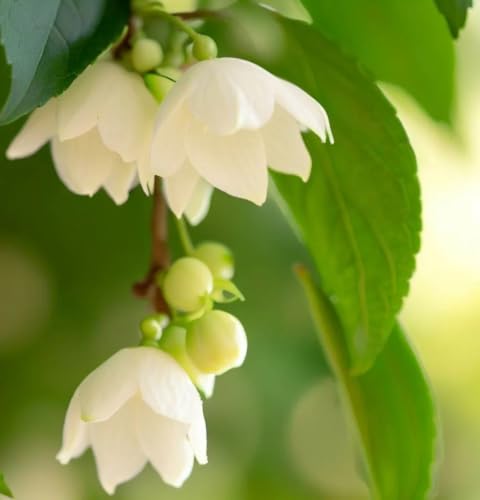
Origin and growth: Native to Japan, a 20-30 foot tree with a rounded crown and graceful, drooping branches. This seed kit is designed for gardeners who want a single, striking specimen that slowly matures into a focal point. Best for small to medium yards where elegance and fragrance can be appreciated from patio views or near entryways.
Fragrant bell-shaped flowers: White blooms appear in late spring to early summer, delivering a light, sweet fragrance that enhances outdoor spaces without overpowering nearby plantings. Suitable for those who value scent in their landscape.
Fall color and foliage: Leaves transition to yellow or orange in autumn, providing seasonal interest before winter dormancy. This makes it an attractive option for year-round appeal in climate zones with distinct seasonal shifts.
Watering needs: Moderate watering tolerance supports a wide range of garden conditions. It is well-suited for established beds with consistent irrigation or drought-leaning areas with regular moisture management.
Who this is best for: Homeowners seeking a single, elegant, long-term centerpiece with fragrance and noticeable fall color. Caution: Young plants may require protection from harsh first-season conditions or heavy container exposure if grown in pots.
30 Seeds Japanese Snowbell Planting Pack

White snowbell blooms: Seeds produce white, round blossoms that form a distinctive display as they open. This trait makes the kit ideal for gardeners who want a bright, ornamental flowering tree in their yard or garden border.
Ease of growth: Included growing instructions support successful germination and establishment. Cold stratification is highlighted as beneficial for optimal seed germination, making this a practical option for gardeners who plan ahead for seasonal planting.
Quality guarantees: CZ Grain emphasizes non-GMO seeds with a satisfaction guarantee and a broad range of heirloom or organic seed options, which may appeal to gardeners prioritizing seed provenance and a diverse seed collection.
Who this is best for: Gardeners who prefer a straightforward growing path with clear instructions and a preference for reliable, uniform seed lots. Caution: Results may vary with climate and soil; be prepared for patchy germination in challenging conditions.
20 Japanese Snowbell Tree Seeds Pack

White snowbell blooms and garden impact: The seeds deliver a neat and classic spring-to-summer bloom display, adding an airy, elegant note to borders or entry landscaping. Good for gardeners who want to add a touch of refined white blossoms to a smaller plot.
Growing ease: Instructions included, with a note that cold stratification benefits germination. This helps set accurate expectations for the planting schedule in regions with cold winters.
Seed origin and guarantee: CZ Grain’s non-GMO status and their broad seed catalog provide reassurance for gardeners concerned with seed quality and genetic integrity.
Who this is best for: Plant lovers who want multiple seedlings to create a symmetrical or staggered plant arrangement. Caution: Spacing and future tree size should be planned to avoid crowding as trees mature.
200 Japanese Snowbell Seeds by ERTS

Seed volume and plant form: This option provides 200 seeds, suitable for bulk planting or for classrooms, community plots, or large home gardens. The Japanese Snowbell is described as a small tree or deciduous shrub with a short, twisted trunk, and spreading low-branches, which influences spacing decisions in landscape plans.
Growing ease: The kit emphasizes that Styrax Japonicus is easy to grow from seed, appealing to gardeners seeking a low-friction introduction to snowbell cultivation.
Best use case: Best for planting in ongoing landscape projects where you want multiple offspring to fill beds or create a naturalized group planting. Caution: With a large seed batch, you may need to manage germination rates and transplant timing to maximize survival.
Buying Guide: Key Considerations For Mature Japanese Snowbell Seed Purchases
What climate zone is best for Japanese snowbell trees?
Japanese snowbells thrive in temperate regions with distinct seasons. They prefer well-drained soil and some protection from harsh winter winds. If you live in extremely hot or dry environments, plan for supplemental irrigation and mulch to retain soil moisture.
How many seeds should you start with?
For a single focal tree, a smaller packet may be sufficient. For border plantings or multiple specimens, larger seed lots provide better chances of establishing a cohesive group with consistent growth and flowering.
What germination steps are typical?
Cold stratification is often recommended to improve germination rates for Styrax japonicus seeds. Check each packet’s instructions for suggested temperature ranges, stratification duration, and any pre-soaking steps.
What soil and watering conditions are ideal?
- Well-drained, slightly acidic to neutral soil supports robust growth.
- Moderate watering helps establish deep roots early on; avoid waterlogged conditions.
- Mulching around the base reduces weed competition and retains soil moisture.
What size and growth expectations should buyers have?
Young snowbells grow into graceful, medium-sized trees with a spreading crown. Plan for eventual mature spacing—typically several feet between trees—to accommodate canopy expansion and air circulation.
FAQ
- Are Japanese snowbells hard to grow from seed? They are generally easy to grow from seed with proper stratification and care, though germination rates can vary by batch and climate.
- When do snowbell trees bloom? Blooms typically appear in late spring to early summer, with fragrant bell-shaped flowers that attract pollinators.
- What is the mature size of Styrax japonicus? Mature trees commonly reach around 20-30 feet in height with a rounded crown, depending on growing conditions.
- Can I plant snowbells in containers? While possible for young trees or ornamental displays, snowbells grow best in ground soil where roots can spread and access adequate moisture.
- Do all seeds produce viable trees? Germination depends on seed quality, stratification, and environmental conditions; follow packet instructions for best results.
- Which seed quantity is best for beginners? A smaller seed packet is often suitable for a first planting, with larger lots ideal for multiple specimens or a border.
Overall, these Japanese snowbell seed options provide diverse paths to achieve a refined, fragrant, and seasonal landscape feature. By matching seed quantity, growth expectations, and climate readiness to your garden goals, you can select the best kit for your yard and ensure a graceful, long-lived snowbell presence.