Mobile raised garden beds are ideal for anyone who wants flexible gardening space, easier sun exposure, and reduced back strain. This guide highlights five walk-around options that blend durability, mobility, and practical design. Each choice targets different needs—from senior-friendly height and storage to robust metal builds and wood aesthetics. The table below quickly compares key features to help you decide which bed fits your space and growing plans.
| Product | Material | Height / Size | Mobility | Best For |
|---|---|---|---|---|
| LEETOLLA Elevate 32″ Tall | 32″ tall | Two wheels + handle | Seniors or mobility-conscious gardeners | |
| Best Choice Raised Garden Bed 48x24x32 | 32″ tall | Lockable wheels | Versatile, all-season use | |
| FOYUEE 31.5″ Tall With Wheel | 31.5″ tall | Large wheels + handle | Large planting space in tight spaces | |
| ketive Lockable Wheels Wood Bed | 55.5x24x32 in | Wheels with brakes | Stable mobility with brakes | |
| YKTEEDENS Raised Bed With Legs & Wheels | 31.6″ tall | Wheels | Balanced height and mobility |
LEETOLLA Elevate 32″ Tall Raised Garden Bed

Best for: gardeners who want a high, mobile option with heavy-duty capacity. This bed uses powder-coated steel, offering up to 400 lbs of soil and plants without bending the frame. Its two all-terrain wheels and ergonomic handle simplify moving a full bed, making it suitable for seniors or anyone with limited mobility. The design includes a double-drainage system with five holes and two cross lines to prevent waterlogging, supporting robust plant health. Caution: heavier units may require two people to reposition safely when fully loaded.
Best Choice Raised Garden Bed 48x24x32
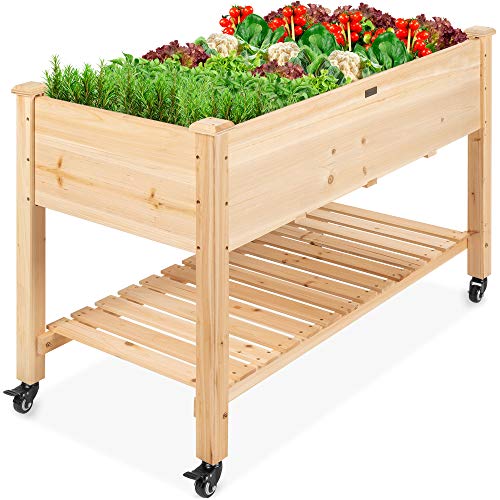
Best for: versatile users who want a raised bed with lockable wheels for flexible sun exposure. The unit stands about 32 inches tall, reducing bending, and includes a liner to separate wood from soil while keeping weeds out. This is a strong choice for patios, decks, or small yards where gardeners frequently reorient plants for optimal light. Limitation: wooden construction requires occasional maintenance to prevent wear over seasons.
FOYUEE 31.5″ Tall With Wheel

Best for: gardeners needing extra planting space in a compact footprint. Its 37.4″ by 15.7″ planter box accommodates a healthy variety of vegetables and herbs, with a 200 lb soil capacity and large 6-inch wheels for smooth movement. The ergonomic height reduces bending. Caution: taller users may still prefer a higher bed for comfortable reach when fully loaded.
ketive Raised Bed With Lockable Wheels

Best for: wood-and-metal hybrid builds that combine natural aesthetics with mobility. This bed offers a W-shaped bracket upgrade for stability and universal wheels with brakes, making it easy to relocate while staying in place when needed. Note: some inventory may still feature the earlier version without upgraded components. Choose this if you want a sturdy wooden base with controlled mobility.
YKTEEDENS Raised Bed With Legs and Wheels

Best for: users seeking a robust stainless-steel bed with leg support and five drainage holes plus two water-conducting grooves. The 31.6″ height reduces back strain while its mobility helps place plants optimally for sun and rain. Caution: steel furniture can be heavier to move when fully filled; plan ahead for positioning.
Buying Guide
What material should I choose?
Metal beds tend to be more durable and weather-resistant, ideal for long-term outdoor use. Wood beds provide a natural look but may require protective treatments over time. Consider climate, maintenance willingness, and style preference when selecting between metal or wooden frames.
How important is height and reach?
Higher beds reduce bending and back strain, beneficial for seniors or gardeners with limited mobility. If you frequently move beds, ensure the design includes sturdy wheels and a comfortable handle. Balance height with wheel strength for stability.
What about drainage and soil moisture?
Effective drainage prevents root rot and oversaturation. Look for beds with built-in drainage features or liner options. Multiple drainage points or grooves help manage moisture and improve air flow to roots.
Do I need storage or shelving?
Storage shelves and liners can keep tools handy and protect structural wood from contact with soil. If you plan to store tools or seed packets, a built-in shelf is a practical bonus.
How do I move a loaded bed safely?
Always test wheel locking mechanisms and move with assistance if the soil is heavy. Lock in place after relocation to prevent tipping or wobbling. For larger beds, consider staging or partial soil removal before moving.
Space and placement considerations
Measure your outdoor area to ensure the bed fits without crowding walkways. Consider sun pattern throughout the day and plan rotations to maximize light exposure for different plant types.
Maintenance tips
Regularly inspect frames for rust (especially metal beds), tighten fasteners, and replace liners as needed. For wooden beds, reseal or repaint periodically to extend life. Clean wheels to prevent debris buildup that could hinder movement.
FAQ
- Do mobile raised beds rot or warp easily?
Durability depends on material. Powder-coated steel resists rust, while treated wood resists weathering. Regular maintenance extends life for all materials.
- Is it better to have taller or shorter mobile beds?
Taller beds reduce bending and back strain, but require sturdier wheels and stronger frames for mobility. Choose based on your comfort and space.
- Can I use these beds indoors?
Most are designed for outdoor use; some models can work in sunlit indoor spaces with proper ventilation and drainage considerations.
- What plants are best for raised beds with wheels?
Leafy greens, herbs, tomatoes, peppers, and strawberries thrive in raised beds. Ensure adequate sun exposure and drainage for each crop.
- Do these beds come with liners?
Some include liners to separate soil from wood and reduce weed intrusion. If not included, liners are often available as accessories.
- How much soil will I need?
Soil requirements depend on bed size and plant depth. Consult the product dimensions and plan for a mix of topsoil and compost to optimize drainage and nutrition.