Answering the common question for pond owners: which plants boost water quality, provide shade, and add beauty without heavy maintenance? The top picks below are suited for most backyard ponds, with clear notes on who benefits most and any practical caveats about sizing, climate, or care. This guide highlights five Amazon-listed pond plants that support natural filtration, habitat, and visual appeal for American backyards.
| Product | Best For | Key Benefit |
|---|---|---|
| Golden Water Poppies (Hydrocleys Nymphoides) | Small to medium ponds; herbaceous plant lovers | Natural biofiltration and float-to-plant versatility |
| Water Lettuce | Shallow ponds needing rapid surface coverage | Floating filtration and habitat cover |
| Water Hyacinth Bundle | Water gardens seeking fast coverage and shade | Excellent nitrate and ammonia reduction |
| Lotus Seeds | Ponds with decorative landscaping and color | Elegant blooms; year-round focal color |
| Pickerel Rush | Shorelines and boggy edges; alternative vertical accent | Natural filtration and striking blooms |
Note: Each product listing includes careful considerations for climate windows, planting depth, and maintenance. The table above helps you compare intent—whether you want rapid surface coverage, strong filtration, or decorative blooms for visual interest.
Golden Water Poppies (Hydrocleys Nymphoides)
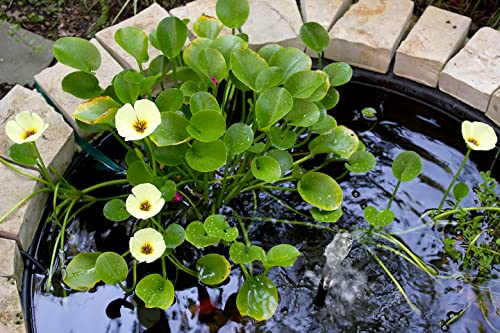
Best for small to mid-size ponds, these bareroot plants are grown and ready to reproduce. They can float but perform best when planted in aquatic soil, providing natural biofiltration to clear water naturally. They are best suited for ponds with mild to moderate sun and stable temperatures.
Who it’s for: homeowners seeking a compact, fast-growing biofilter with a touch of yellow color. A potential limitation: extreme heat or cold can stress live plants, so timing planting around weather windows matters.
Caution: Do not order when extreme temperatures are forecasted (hot or cold). Warmer days above 100F or temperatures below 20F can damage the plants.
Floating Plants for Water Gardens and Ponds (Water Lettuce)

Best for shallow ponds needing rapid surface coverage, Water Lettuce is an easy-to-maintain floating plant that acts as a natural biofilter and shade provider. It helps clear the water by taking up nutrients and provides habitat for pond life.
Who it’s for: gardeners who want quick, low-effort surface coverage with visible greenery. Limitation: floating plants can spread rapidly; regular thinning helps avoid overgrowth that reduces gas exchange.
Caution: avoid ordering during extreme heat or cold weather windows to prevent plant damage.
Floating Flowering Plant – Water Hyacinth Bundle

Best for rapid surface shading and filtration, this bundle includes one or more Water Hyacinth plants. They help control nitrates and ammonia and provide shade to reduce evaporation, aiding fish and plant health in warm months.
Who it’s for: pond owners needing quick surface coverage and strong natural filtration. Choose this if you want fast growth and high filtration capacity. Limitation: hyacinths can overwhelm small ponds if not managed.
Caution: extreme temperatures can affect growth. Ensure your climate aligns with summer growing needs.
Lotus Seeds for Planting in Water

Best for decorative ponds and garden features, these lotus seeds offer a color-rich focal point. They are easy to start by direct water germination and can thrive indoors or outdoors once temperatures exceed 60°F.
Who it’s for: homeowners seeking ornamental color and a long-term statement plant. Limitation: lotus plants require discipline with depth, sunlight, and winter protection in colder regions.
Caution: seeds germinate best with warm water and consistent moisture; avoid overly shaded spots that hinder flowering.
Pickerel Rush Live Pond Plant (Blue Pickerel Rush)

Best for boggy edges and shallower water, Pickerel Rush offers striking pinkish-blue blooms and dense foliage that aids natural filtration. It’s versatile for planting on shelves, bog zones, or shallow water up to 6 inches deep.
Who it’s for: pond owners who want a colorful, narrow-leaved plant that doubles as a filtration aid. Limitation: growth can be vigorous and may require occasional trimming to prevent crowding.
Caution: ensure adequate light to promote bloom and avoid overly deep planting for best display.
Buying Guide: Key Purchase Considerations For Backyard Ponds
What space and depth does your pond offer?
Shallow edges are ideal for floating plants like Water Lettuce and Water Hyacinth. Deeper shelves support rooted bog plants such as Pickerel Rush and Water Poppies. Plan planting zones to maximize filtration without crowding.
What climate and seasonal timing matter?
Extreme temperatures can stress live plants. Schedule purchases to align with regional windows when soils and water temps are moderate. Consider winter protection or summer shade strategies for best survival.
What filtration needs exist?
Floating plants provide rapid nutrient uptake, while rooted plants add deeper filtration and habitat. Use a mix to balance filtration with surface shading to control algae and improve water clarity.
How much maintenance are you prepared to perform?
Floating plants may need thinning to avoid overgrowth. Rooted options require periodic pruning and replanting. Choose varieties with growth patterns that fit your maintenance budget.
How will you manage growth and spread?
Some species, like Water Hyacinth, can spread quickly in suitable climates. Have a plan for containment and regular thinning to maintain pond balance and aesthetics.
What are your aesthetic goals?
Mix colors and textures: yellow blooms from Golden Water Poppies, blue-pink accents from Pickerel Rush, and the glossy surface coverage of Water Lettuce. A diverse plant mix enhances both beauty and ecological function.
FAQ: Quick Answers For Pond Plant Purchases
- Q: Can I mix these plants in the same pond?
- A: Yes, these plants can coexist in many ponds, but monitor growth and shading to prevent crowding and ensure adequate light for all species.
- Q: Are these plants safe for fish like koi or goldfish?
- A: Most listed plants are common pond candidates and generally safe for fish when grown in appropriate conditions and not overcrowded.
- Q: Do I need pond soil for floating plants?
- A: Floating plants typically do well without soil, but rooted plants may benefit from aquatic soil or substrate in their planting zones.
- Q: How do I prevent algae overgrowth?
- A: Use a mix of floating and rooted plants to consume nutrients, provide shade, and promote balanced pond ecology.
- Q: What maintenance schedule is recommended?
- A: Inspect monthly during growth seasons; prune, thin, and replant as needed to maintain balance and water clarity.
- Q: Are seeds a good starting point for a pond?
- A: Lotus seeds offer a longer-term option and ornamental value; water hyacinth seeds provide rapid cover but require careful growth management.