Answering the question “which native grass seeds work best for a low-maintenance landscape?” this guide highlights five practical options. Each choice targets different yard goals, from drought-tolerance to wildlife habitat and erosion control. The top picks are suitable for American readers seeking natural, region-appropriate visuals with minimal upkeep. The buyer’s notes below explain who each product is best for, and why it was selected for this round-up. A quick summary table helps you compare at a glance.
| Product | Best For | Key Benefit |
|---|---|---|
| Outsidepride Perennial Short Native Grass Seed Mix | Low-height lawns in warm climates | 12 inches or less; drought-tolerant |
| Outsidepride Perennial Tall Native Grass Seed Mix | Wildlife-friendly areas and erosion control | Deep roots; strong soil stabilization |
| Outsidepride Perennial Tall Native Grass Seed Mix (5 lbs) | Larger landscapes; long-term ground cover | High-volume, same composition; erosion control |
| O.M. Scott Clover Seed | Low-maintenance lawn alternatives | Nitrogen fixation; drought endurance |
| Survival Garden Seeds Indiangrass | Prairie restoration and pollinator habitat | Ornamental plume, drought-tolerant |
Outsidepride Perennial Short Native Grass Seed Mix
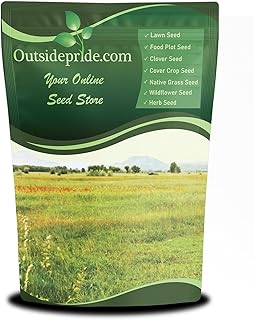
Key components include Blue Grama, Buffalo Grass, Sideoats Grama, and Sheep’s Fescue. This blend focuses on a low-height profile ideal for southern lawns and warm climates. It’s designed to thrive in sandy soils and sunny exposures with minimal maintenance.
Best for: Homeowners in hot, sunny regions seeking a natural look with reduced mowing. The mix is especially suitable where a short, dense turf is desirable without frequent feeding or irrigation.
Why selected: The blend emphasizes drought- and heat-tolerance while staying under 12 inches tall, reducing mowing and fertilizing needs. It aligns with water-wise landscaping goals and creates a natural lawn texture that blends with native environments.
Caution: Performance can vary with soils that are excessively shaded or heavily compacted; consider soil amending or aeration to improve establishment in challenging sites.
Outsidepride Perennial Tall Native Grass Seed Mix

This tall native grass blend features Big Bluestem, Little Bluestem, Switchgrass, and Indian Grass seeds. The mix supports wildlife habitat and offers robust erosion control due to deep root systems. It’s an excellent choice for larger landscapes or areas that require a more dramatic prairie aesthetic.
Best for: Landscapes that aim to support wildlife, stabilize slopes, or establish a tall, self-sustaining prairie look with minimal irrigation.
Why selected: Depth of roots provides erosion control and soil stabilization, while the tall form creates a natural structure in the landscape. It’s well-suited for sun-drenched, open spaces where water efficiency is a priority.
Caution: In extremely dry periods, even drought-tolerant grasses benefit from limited irrigation during establishment; avoid heavy foot traffic until established.
Outsidepride Perennial Tall Native Grass Seed Mix (5 Lbs)
This bulk option mirrors the same premium native blend as the smaller bag, designed for larger installations. It combines Big Bluestem, Little Bluestem, Switchgrass, and Indian Grass seeds at even proportions to deliver a cohesive prairie landscape over a bigger footprint.
Best for: Large-scale projects, public spaces, or expansive home lots where a durable, long-lasting ground cover is needed with minimal ongoing maintenance.
Why selected: High-volume seed enables efficient establishment across wide areas, reducing the need for frequent reseeding and enabling uniform prairie aesthetics over time.
Caution: Transport and storage should protect seeds from moisture; improper storage can reduce germination rates in bulk purchases.
O.M. Scott and Sons Clover Seed

Clovers, including strawberry clover, are known for nitrogen-fixing properties that enrich soil over time. This seed mix targets a naturally green, low-maintenance lawn with drought-resilience. It can be a practical alternative to traditional turf in some settings and is gentle around pets and kids when used as directed.
Best for: Home lawns seeking soil enrichment and reduced fertilizer inputs, especially in areas where legume-based lawns can thrive without synthetic feedings.
Why selected: The nitrogen-fixing characteristic helps sustain soil fertility, potentially lowering care costs. It’s a practical way to achieve a green appearance with less irrigation and fertilization.
Caution: Clover blends can alter lawn texture and color compared with traditional grasses; ensure compatibility with local regulations and plant mix goals before planting.
Survival Garden Seeds Indiangrass

Indiangrass is a classic North American native that forms tall, ornamental plumes and blue-green foliage. It is drought-tolerant and well-suited for prairie restoration, bioswales, and pollinator meadows. The plant’s tall growth adds texture and seasonal color with orange-to-purple fall hues.
Best for: Prairie restorations, pollinator-friendly landscapes, and areas requiring tall, dramatic grasses with low water needs.
Why selected: Its tall growth, drought tolerance, and wildlife benefits align with regional native-plant aims and sustainable landscape practices.
Caution: Indiangrass can spread under favorable conditions; plan for containment in smaller spaces to prevent encroachment into mixed-species beds.
Buying Guide: Key Considerations For Native Grass Seed Purchases
Choosing native grass seed requires assessing climate, soil, and landscape goals. Use these practical prompts to guide your decision:
- Climate and water expectations: Are you in a drought-prone region or a wet climate? Favor drought-tolerant blends for hot, sunny areas and deeper-rooted varieties for erosion control on slopes.
- Height goals: Do you want a short ground cover or a tall, prairie-like display? Short mixes stay under 12 inches; tall mixes create architectural interest and habitat.
- Soil stabilization needs: For slopes or heavy erosion, select deep-rooted, perennial mixes that establish a robust root network.
- Wildlife and pollinator value: Native grasses that support bees, butterflies, and birds can enhance garden biodiversity, especially in prairie restoration projects.
- Maintenance expectations: Clover-based or nitrogen-fixing blends reduce fertilizer needs; grasses with low mowing requirements reduce upkeep and labor time.
- Establishment considerations: Prepare soil, ensure proper seed-to-soil contact, and provide initial moisture during germination to improve success rates.
Practical Comparison: Quick Take For Buyers
- Best for low-growing lawns: Outsidepride Perennial Short Native Grass Seed Mix
- Best for wildlife habitat and erosion control: Outsidepride Perennial Tall Native Grass Seed Mix
- Best for large-scale prairie look: Outsidepride Perennial Tall Native Grass Seed Mix (5 lbs)
- Best for soil enrichment and basic drought tolerance: O.M. Scott Clover Seed
- Best for prairie restoration and pollinators: Survival Garden Seeds Indiangrass
FAQ: Quick Answers For Native Grass Seed Buyers
- What is the advantage of native grass seed mixes? Native grasses are typically well-adapted to local climate and soil, often requiring less water and maintenance than non-native lawns.
- How long does it take for native grasses to establish? Establishment varies by species and conditions but typically ranges from a few weeks to several months. Adequate moisture during germination is essential.
- Can I seed native grasses in partial shade? Some mixes tolerate partial shade, while others perform best in full sun. Check each product’s light requirements for best results.
- Are there maintenance trade-offs with native lawns? Native lawns generally require less fertilizer and mowing, but establishment may demand initial soil prep and occasional weed management.
- Do these mixes attract wildlife? Yes, many native grasses support pollinators and wildlife; taller varieties may provide habitat and feeding opportunities over time.
- Is clover a good lawn alternative? Clover mixes offer nitrogen fixation, drought tolerance, and low mowing, but texture and color differ from traditional turf.