If you’re seeking a graceful, flowering addition to a yard or garden, a young weeping cherry tree is an excellent choice. This article highlights five suitable options that ship as young, transplant-ready plants and are ideal for small spaces or container-to-garden transitions. The top picks are best for different needs—easy care beginners, designs emphasizing cascading blooms, or gardeners prioritizing ornamental value in zones 4–8. Below you’ll find quick comparisons and practical guidance to help you choose.
| Product | Shipped Size | Best For | Key Benefit |
|---|---|---|---|
| Higan Japanese Pink Weeping Cherry Tree (DAS Farms) | 1–2 ft | New landscapers; bare-root transplanters | Dormant transplant window; strong ornamental form |
| Shidare Yoshino Japanese Weeping Cherry Tree | 1–2 ft | Seasonal bloom display lovers | Classic white blossoms; reliable weeping form |
| Weeping Higan Cherry Tree (Pixies Gardens) | 1 gallon | Compact landscape accents | Cascading branches with pink blossoms |
| Weeping Cherry Tree Live Plant (GingerGLOW) | 6–12 in | Small-space plantings; starter landscape | Easy care, early blossoms |
| Cherry Blossom Tree Live Plant (8–12 in) | 8–12 in | Front yard focal point | Bright spring blooms; ornamental appeal |
Higan Japanese Pink Weeping Cherry Tree
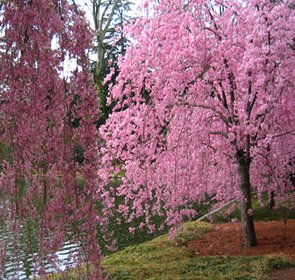
Brand: DAS Farms. Features indicate this tree is sold dormant with no leaves, making it ideal for spring or fall transplanting directly into the ground. It ships as 1–2 feet tall and is listed as suitable for zones 4–8 with full to part sun. Best for buyers who are comfortable planting in the ground during the dormant period and want a mature-tree look in a season or two. Caution: bare-root orders may apply to California per state regulations. Choose this if you want a robust, transitional plant that emphasizes a strong trunk and classic weeping form once established.
Weeping Cherry Tree (White Flowering) in 3″ Pot

Brand: Generic. This small 6–12″ tall tree arrives in a 3″ pot, with cascading, weeping branches and a profusion of spring blossoms in pink or white. Best for windowsill or balcony enhancements that transition to a larger garden later. Choose this if you want a compact, quick-ornamental accent with seasonal color; caution: pot-grown plants may need careful root balance when transplanting into the ground.
Shidare Yoshino Japanese Weeping Cherry Tree

Brand: DAS Farms. Features note this tree ships dormant, with no leaves in winter, and is appropriate for California bare-root shipping under state regulations. The tree is suited for zones 4–8, thriving in full to part sun. Best for buyers seeking a classic weeping form with white blossoms and a reliable, deciduous seasonal cycle. Limitation: transplant timing and care are crucial for establishment in new soil.
Weeping Cherry Tree Live Plant (GingerGLOW)

Brand: GINGERGLOW. Product notes describe this starter plant as 6–12 inches tall, shipped in a larger root-ready form suitable for transplanting outdoors. Best for gardeners starting a new landscape who want a manageable weeping cherry with spring color. Caution: as a small plant, it might require attentive watering and protective measures in extreme climates while it establishes roots.
Cherry Blossom Tree Live Plant (8–12 in)

Brand: Generic. This live plant spans 8–12 inches tall and comes in a pot suitable for immediate growth outdoors. Best for buyers wanting a mid-size ornamental focal point with robust spring blossoms. Choose this if you’re planning a prominent entryway display; limitation: ensure proper support for the weeping habit as it matures to prevent branch breakage in windy areas.
Buying Guide
What should you consider when choosing a young weeping cherry tree?
- Planting location and system: Most options prefer full to part sun. Ensure well-drained soil and adequate space for the cascading form to develop.
- Transplant timing: Some varieties ship dormant; plan transplanting during dormancy for better rooting and establishment. Ground planting is typically favored over container relocation.
- Hardiness zones: Match the plant’s tolerances (zones 4–8 commonly listed) to your local climate to avoid winter damage or summer stress.
- Size and growth rate: Young trees stay compact for several seasons; consider mature width and height when placing near pathways, structures, or utilities.
- Care requirements: Watering during establishment, mulching to conserve moisture, and occasional pruning to maintain form are typical duties for weeping cherries.
Choosing by purpose
- Best for small spaces: The 6–12 inch and 8–12 inch live plants fit tight spots and containers, with a plan for future growth.
- Better for dramatic spring display: The Weeping Higan Cherry and Shidare Yoshino varieties offer standout blossoms and classic weeping silhouettes.
- Choose this if you want a formal entry or focal point: The 8–12 inch Cherry Blossom Tree provides a steady, visible spring bloom that enhances curb appeal.
Care basics
- Water: Establishment often requires regular watering; avoid waterlogged soil.
- Soil: Prefer well-draining soil; amend with organic matter if clay or sandy soils are present.
- Mulch: Apply 2–3 inches of organic mulch to conserve moisture and regulate soil temperature.
- Pruning: Light pruning may be needed to shape the canopy and remove any crossing or damaged limbs after flowering.
FAQ
- Q: Can I transplant these cherry trees into containers after purchase? A: Most are recommended for ground planting during the dormant season; container transitions are possible for some but require careful root management.
- Q: Are these trees fully mature upon arrival? A: They arrive as young, transplant-ready plants or starter trees.
- Q: Do these trees require special soil amendments? A: Soil quality matters; well-drained soil with organic matter is generally advised.
- Q: What zone guidance should I follow? A: Most listed options are suitable for zones 4–8; confirm your local microclimate and winter protection needs.
- Q: How long before blossoms appear after planting? A: Blossoms typically appear in spring after establishment, varying by variety and climate.
- Q: Are these trees susceptible to pests? A: Regular garden vigilance helps; monitor for common ornamental-tree issues and treat as appropriate for your region.