Answering the question “how can I grow a serene, authentic Japanese garden in a tiny area?” this article highlights five carefully chosen books that guide small-space design, plant selection, and layout. Each selection targets a specific buyer: beginners seeking a simple start, traditionalists desiring classic elements, container gardeners experimenting with miniatures, and homeowners aiming for a cohesive, low-maintenance space. Read on to discover which book best fits your goals and how to apply its principles in compact settings.
| Product | Author / Brand | Why It’s A Good Fit |
|---|---|---|
| Japanese Gardening in Small Spaces | Isao Yoshikawa (Author) | Best for textual guidance on compact layouts and traditional techniques scaled to small plots. |
| Authentic Japanese Gardens: Creating Japanese Design and Detail in the Western Garden (IMM Lifestyle Books) | Yoko Kawaguchi (Author) | Best for blending authentic elements with Western garden contexts and plant directories. |
| Practical Beginners Raised Bed And Container Gardening | Luke Ramsey (Author) | Best for beginners focusing on containers, raised beds, and region-specific plant timing. |
| Stylish Succulents: Japanese Inspired Container Gardens for Small Spaces | Yoshinobu Kondo, Tomomi Kondo (Authors) | Best for modern, low-water, compact displays with Japanese aesthetics. |
| Traditional Japanese Garden Design for Small Spaces | Riley Stone (Author) | Best for visual reference on stone placement, water features, and plant selection in tight lots. |
Below you’ll find a concise guide to each title, followed by a buying guide and practical FAQs designed to help you implement Japanese-inspired design in limited space. The goal is to translate printed guidance into actionable steps for daily gardening in tight urban or suburban settings.
Japanese Gardening in Small Spaces

This book concentrates on how to design and maintain a Japanese garden where space is a premium. It emphasizes traditional elements adapted to limited footprints, such as miniature stone paths, carefully placed evergreens, and controlled water features. The guidance is practical for buyers who want a calm, timeless aesthetic without sprawling plots. Best for the homeowner who prefers a structured, serene layout and is ready to work with compact plantings and careful scale.
Best for: gardeners seeking a traditional, disciplined approach that fits a small plot. Choose this if you want authentic techniques that still respect modern space constraints. Limitation: it may assume some familiarity with Japanese garden concepts and may require additional resources for concrete, stone, and water feature installation.
Authentic Japanese Gardens: Creating Japanese Design and Detail in the Western Garden

This title blends traditional Japanese design with Western garden contexts, offering a detailed plant directory and design elements. It’s well-suited for readers who want to understand both layout logic and plant choices within small-to-medium spaces. The book helps bridge cultural design cues with practical placement rules, ensuring elements like bamboo, moss, and stone are used in balanced compositions. Best for: homeowners seeking authentic design cues applied in Western settings and those who want a rich plant reference. Limitation: the breadth may feel overwhelming for absolute beginners; focus on one section first.
Practical Beginners Raised Bed And Container Gardening
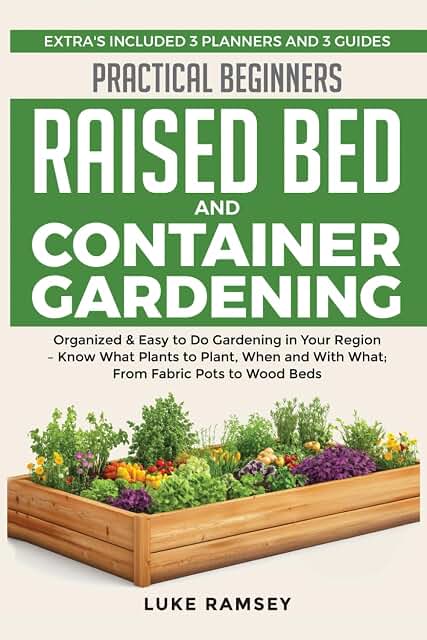
This guide targets beginners who want practical, actionable steps for growing in containers and raised beds. It covers what to plant, when to plant, and how to manage soil and space efficiently. The concise approach makes it ideal for small-yard or balcony gardeners who want measurable progress without a steep learning curve. Best for: novices who need a straightforward plan to get started with containerized or raised-bed layouts. Limitation: may provide less emphasis on traditional Japanese motifs and more on general space optimization.
Stylish Succulents: Japanese Inspired Container Gardens for Small Spaces

This book showcases modern, low-water container gardens with a Japanese-inspired flair. Succulents offer durable, compact options that fit balconies and small patios. It’s best for those who want a contemporary aesthetic with easy maintenance. Best for: urban gardeners seeking a stylish, drought-tolerant approach that still nods to Japanese minimalism. Limitation: succulents may not satisfy purists seeking traditional moss and bamboo emphasis; the color and texture palette skew modern.
Traditional Japanese Garden Design for Small Spaces

This visual handbook focuses on critical principles like stone placement, water features, and plant selection tailored for compact lots. It offers practical layout ideas and a clear sense of proportion, which helps avoid overcrowded designs. Best for: readers who prefer visual references and step-by-step concepts to guide a small-space transformation. Limitation: the emphasis on stone and water may require careful budgeting and sourcing for authentic materials.
Buying Guide: Key Purchase Considerations
When selecting resources for creating a Japanese garden in a small space, consider your experience level, climate, and how much time you want to invest in maintenance. The following questions help you compare titles and extract practical value quickly.
- What is your starting skill level? If you’re a beginner, prioritize titles that offer step-by-step plans and calendar-friendly guidance.
- Do you prefer traditional elements or modern, low-maintenance aesthetics? Choose titles that align with your desired style and maintenance tolerance.
- What is your climate and sun exposure? Look for plant directories and region-specific advice that translate to container or raised-bed gardening.
- Are you building a balcony, patio, or small yard? Some books focus on containers, while others cover ground-level layouts and stonework.
- What is your budget for stones, water features, and soil amendments? Visual handbooks can help you plan proportion and scope before purchasing.
FAQ: Quick Answers For Small-Space Japanese Gardening
- What is essential for a small Japanese garden? A simple, balanced layout, with a focal area (stone arrangement or lantern), moss or groundcover, and a water element or symbol if space allows.
- Can I use container gardening to replicate a Japanese look? Yes. Choose compact, drought-tolerant plants like mosses, dwarf conifers, and small-leaf evergreens; pair them with clean, simple pots.
- Is mulch important in a small space? Mulch helps retain moisture and reduce weeds, but keep color and texture subtle to maintain a refined aesthetic.
- Which books are best for beginners? Practical Beginners Raised Bed And Container Gardening emphasizes easy, region-specific steps, while Japanese Gardening in Small Spaces provides traditional guidance scaled for compact plots.
- How do I maintain a small garden long-term? Develop a seasonal maintenance plan, prune carefully to maintain shape, and use minimal, purposeful plantings to keep the space serene.
- Should I mix traditional elements with modern materials? It can work well if you maintain a cohesive color and texture palette; start with a single focal motif and grow around it.
Key Takeaways For Small-Space Japanese Gardens
- Scale elements to the space; avoid oversized features that dominate the area.
- Use a restrained color palette and natural materials to achieve calmness.
- Prioritize maintenance ease when choosing plants and containers.
- Balance symmetry and asymmetry to emulate traditional Japanese aesthetics.
- Plan ahead with a simple design that can expand gradually over time.