Answering the need for reliable, easy-to-carry water transfer, irrigation, and dewatering pumps, these gas-powered units are selected for various job sites and everyday tasks. The top picks suit contractors, farmers, landscapers, and DIYers who require strong performance without electrical power. Each product is evaluated for portability, durability, suction and discharge capabilities, and ease of use in real-world conditions.
| Product | Inlet/Outlet | Max Flow | Max Lift | |
|---|---|---|---|---|
| Gosangom 4-Stroke Gas Water Pump | 1″ | 135 L/min (35.66 GPM) | 30 m (98 ft) | |
| VEVOR 2″ Trash Pump | 2″ | 142 GPM | 148 ft | |
| BILT HARD Semi Trash Pump 2″ | 2″ | 158 GPM | 212 ft | |
| Aceup Energy 2″ Semi Trash Pump | 2″ | 158 GPM | 95 ft | |
| FXEIPOL 7.5 HP 2″ Gas Pump | 2″ | ~882.87 ft³/h (≈ 7.8 GPM) | 98 ft |
Note: Specs such as flow rate and lift vary by model and operating conditions. Use this table as a quick reference alongside the product details below.
Gosangom 4-Stroke Gas Water Transfer Pump
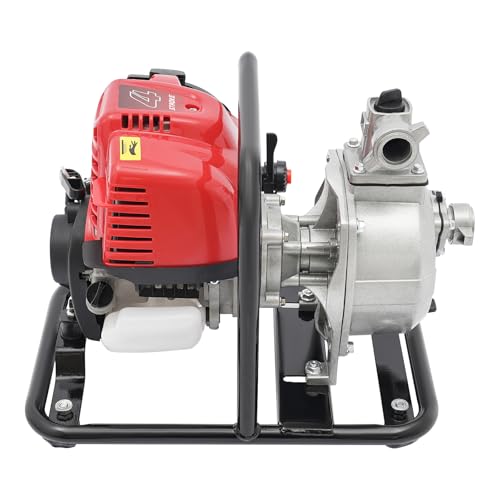
The Gosangom gas water pump runs on a four-stroke gasoline engine and is designed for irrigation and general water transfer. It delivers a high flow rate and solid head for demanding tasks. Best for gardeners and small farms needing reliable pressure on the move.
Best for: Irrigation and quick water transfers where a compact unit is preferred. Choose this if you need a lighter, easier-to-position pump for moderate tasks.
Caution: Ensure proper priming; self-suction time can vary and the unit requires fresh fuel and regular maintenance for reliability.
VEVOR Trash Pump 2 Inch

VEVOR’s 2-inch trash pump offers a 7HP 4-stroke OHV engine with a 2″ inlet/outlet and a max lift of 148 feet. It’s designed to handle small solids and is suited for job sites needing a dependable, uncrowded power unit for dewatering or irrigation. Easy maintenance and robust build are highlighted by its aluminum alloy pump body and cast iron impeller.
Best for: Construction sites and farms needing a capable, mid-size pump that handles some solids without frequent clogging. Better for frequent dewatering tasks where reliability matters.
Caution: Follow tips to prime and avoid running dry; not ideal for continuous heavy-duty operation in extremely muddy conditions without solids management.
BILT HARD Semi Trash Pump 2″

This BILT HARD 2″ semi trash pump features a 7HP 212cc engine and includes complete fittings, hoses, and adapters. It is EPA Phase III compliant and designed for efficient debris handling with a generous 158 GPM flow rate. The unit emphasizes durability and ease of hose connections, making it suitable for irrigation and site drainage.
Best for: Contractors and landscapers who need a ready-to-use package with hoses and fittings included. Choose this if you want a plug-and-play solution for dewatering and light excavation drainage.
Caution: Ensure proper sealing when connecting hoses to prevent leaks; check oil and fuel levels before heavy use.
Aceup Energy Semi Trash Pump 2 Inch

Aceup Energy offers a 2″ semi trash pump with a 7HP, 208cc four-stroke engine, delivering up to 158 GPM. It is designed to be portable with an integrated iron handle and base, plus shock-absorbing pads. It’s a practical option for irrigation, drainage, and light construction tasks where mobility matters.
Best for: Gardeners and small contractors who need a portable, reliable pump with quick setup and good flow. Choose this if you value portability and a straightforward recoil-start operation.
Caution: Pre-fill with water before starting to optimize engine operation; ensure adequate fuel and oil levels prior to use.
FXEIPOL 7.5 HP 2-Inch Gas Water Pump

FXEIPOL’s 7.5HP 2-inch gas pump combines durable materials with high pumping efficiency. It features a 7.5HP four-stroke engine and a flow rate capable of handling large-scale drainage and irrigation tasks. Head and suction heights are strong, making it suitable for fieldwork and heavy-duty tasks where speed matters.
Best for: Heavy-duty drainage and field irrigation where maximum power is essential. Choose this if you need a robust pump capable of high throughput in challenging conditions.
Caution: Heavier unit; plan for transport and storage, and ensure proper ventilation during operation to avoid fumes buildup.
Buying Guide: Key Considerations for Portable Gas-Powered Water Pumps
- Power and performance: Match engine horsepower (HP) and displacement (cc) to your workload. Larger demands need higher HP and larger displacement for sustained pumping.
- Inlet/outlet size: Common sizes include 1″ and 2″. Choose according to hose compatibility and required flow rate. Larger outlets move more water but require more powerful engines.
- Head and suction: Look at maximum lift and suction depth to ensure the pump can reach the water source and push it to the desired height.
- Materials and durability: Aluminum, cast iron, and carbon steel components balance weight and longevity. For muddy or sandy water, a durable impeller and seal are important to prevent clogging.
- Portability and setup: Consider handle design, weight, and included fittings. Units with hoses and adapters offer faster deployment.
- Maintenance and refueling: Four-stroke engines require regular oil, gasoline, and air filter maintenance. Check fuel capacity and run time expectations.
- Solids handling: If pumping water with debris, choose a trash pump or a unit labeled for solids—these prevent frequent clogging and downtime.
- Safety and ventilation: Use outdoors in well-ventilated areas to avoid carbon monoxide buildup. Follow manufacturer guidelines for starting and shutdown procedures.
Frequently Asked Questions
- What is the difference between trash pumps and water pumps?
Trash pumps are designed to handle solids and debris, whereas standard water pumps generally handle clean water with fewer solids. - Are gas-powered pumps suitable for daily home use?
Yes, for tasks like lawn irrigation or small drainage projects, but ensure proper storage, maintenance, and ventilation. - How do I prime a gas-powered pump?
Fill the intake with water, check oil and fuel, then start according to the manual; some models require priming before first use. - What should I consider when choosing between 1″ and 2″ pumps?
2″ pumps move more water and handle larger volumes but are heavier; 1″ pumps are lighter and sufficient for smaller tasks. - Can these pumps run for long periods?
Most can with proper cooling, fuel, and maintenance. Always follow manufacturer guidelines for duty cycles and rest periods to prevent overheating.