Answering the need for durable, easy-to-install garden tiles, this guide highlights five reliable options ideal for patios, porches, pool areas, and walkways. These selections balance weather resistance, foot comfort, and simple setup, making them suitable for DIY projects. The top picks are best for different buyers—for example, warm-weather climates, busy households, or those seeking a natural wood look. Below, you’ll find concise product blocks, a quick buying guide, and a practical FAQ to help you choose confidently.
| Product | Best For | |
|---|---|---|
| Neoaider 9PCS Plastic Interlocking Decking Tiles | Small or irregular spaces; quick DIY projects | Plastic |
Neoaider 9PCS Plastic Interlocking Decking Tiles

The Neoaider tiles are lightweight, sturdy, and waterproof, built from high-hardness plastic to withstand all-weather use. They offer a stable interlocking design for easy installation and can be cut to fit irregular layouts. The surface mirrors a wood-grain texture for a natural look while the grid-style underside improves airflow and drainage. Best for garden patios, poolside paths, and porches where quick setup and low maintenance matter. Caution: exposure to extreme heat can cause surface expansion; install with slight gaps to accommodate expansion.
Plastic Interlocking Deck Tiles (44 PCS)
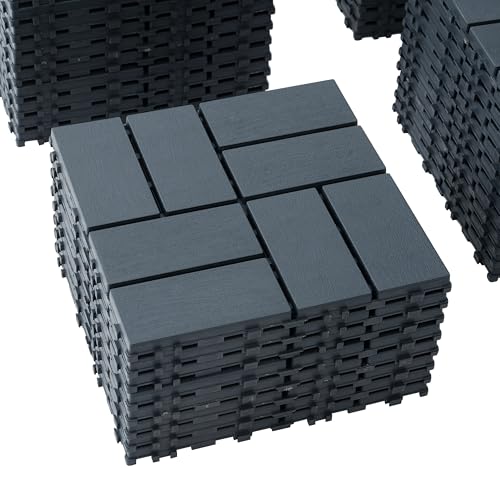
This set provides a larger surface with 44 interlocking tiles, designed for instant tool-free installation. Made from high-density PP material, the tiles resist heavy foot traffic, weather, and fading. The textured surface with micro-grooves offers slip resistance, making them a solid choice near pools or in rainy climates. Choose this if you need broad coverage and a durable, low-maintenance finish for a garden walkway or deck edge. Limitation: heavier weight requires more careful handling during assembly.
Pack of 10 Deck Tiles – Acacia Wood (Teak Color)

This set uses natural solid acacia wood to deliver a warm teak-colored finish with a classic wood grain. The 12×12 inch tiles have six slats, offering a sturdy, authentic deck look for outdoor lounges, garden paths, and balcony areas. Best for buyers seeking a natural wood aesthetic and a higher-end outdoor floor. Caution: natural wood requires periodic sealing to preserve color and longevity in intense sun.
AN68 Interlocking Natural Acacia Wood Tiles (Natural Color)

AN68’s natural-color acacia wood tiles emphasize a clean, modern look with easy smart-connect interlocking. They are designed to drain water efficiently due to spacing between slats, helping surfaces stay dry and low-maintenance in wet climates. Best for users who want quick installation, neat lines, and reliable drainage. Limitation: natural wood may require regular maintenance to sustain color and moisture resistance.
GREEN ALLUVIUM Acacia Wood Interlocking Tiles
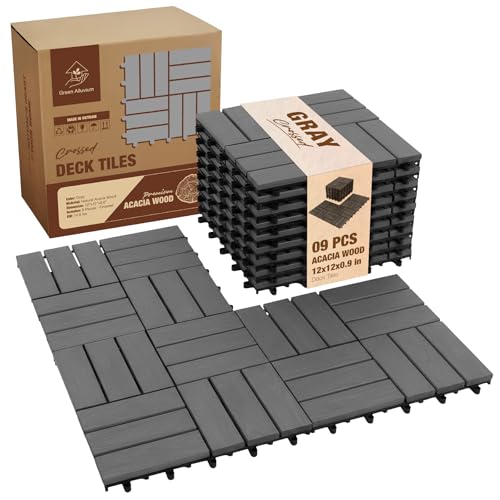
This premium acacia wood set features raised drainage and a deep-oil finish to maintain a golden teak color under sun and rain. The thick slats offer strong support for daily foot traffic and outdoor furniture, making it suitable for patios, balconies, and backyard porches. Best for buyers prioritizing a natural wood appearance with robust weather performance. Caution: wood expansion should be accounted for in spacing during installation.
Buying Guide: Tile Your Garden With Confidence
What material should you choose?
Plastic tiles excel in low maintenance, quick installs, and water resistance. They’re ideal for busy households or spaces with irregular shapes. Wood tiles offer a classic aesthetic and a sturdy feel but require more upkeep and protection against weathering. If a natural look matters most in your garden, wood options like acacia or fir are strong candidates, especially when paired with proper sealing and drainage.
How important is drainage and slip resistance?
Drainage gaps and textured surfaces help prevent puddling and slips, especially near pool edges or in rainy climates. Look for tiles with clear drainage design and non-slip textures. Interlocking systems with space for water to pass beneath reduce maintenance and prolong life.
What installation approach fits your space?
Tool-free interlocking tiles are ideal for quick projects and irregular areas. If you have very large areas, a larger tile count (like 44 tiles) may reduce joints and speed installation. Ensure you plan for edges and cut custom pieces to fit corners or curved outlines.
Maintenance expectations
Wood tiles require periodic sealing or oiling to preserve color and water resistance. Plastic or composite tiles demand less maintenance and can be easily cleaned with basic outdoor cleaners. Consider your climate and how often you’re willing to reseal or replace tiles when choosing.
Budget and durability considerations
Prices vary with material and size. Plastic tiles tend to be more affordable and durable in diverse weather, while solid wood tiles carry a premium for their look. If you need long-term aesthetics with a natural finish, wood options are compelling; for flexible layouts and quick DIY, plastic sets are more practical.
Careful selection by scenario
- Small, irregular spaces: Neoaider or small-assembly wood options
- Poolside or rainy climates: Textured, slip-resistant plastic tiles
- Aesthetics-focused decks: Acacia wood in teak color or natural finish
- Very large outdoor areas: A combination of 44-piece tiles for fewer joints
FAQ
- Are garden tiles easy to install for beginners?
Yes. Interlocking designs enable tool-free assembly on most flat surfaces, with minimal cutting required for edges.
- Which tile is best for areas near water?
Waterproof or water-resistant tiles with textured surfaces are best for pools and rain-prone zones.
- Do wooden tiles need sealing?
Wood tiles often benefit from periodic sealing or oiling to protect against weathering and preserve color.
- Can tiles be used indoors?
Yes. Many tiles are suitable for indoor applications like sunrooms, basements, or entryways, especially those with easy drainage and stable surfaces.
- Which option offers the best drainage?
Tiles designed with spaced slats or raised bases generally provide the best drainage for outdoor use.
- What should I measure before buying?
Measure the area’s length and width, consider curves or irregular edges, and decide if you want a uniform look or a modular, mixed layout.