Clear soil data helps you grow healthier plants. This guide compares top home soil testing kits and meters for American gardeners. It highlights those best for vegetable plots, lawns, flower beds, and indoor gardens. Each product section explains who should choose it, why, and a practical limitation to watch for. The buying guide below offers practical tips to pick the right kit or meter for your soil and climate.
| Product | Best For | |
|---|---|---|
| Rapitest Soil Test Kit (Luster Leaf) | General home gardens, beginners | Low-cost, simple color comparison; tests for pH, N, P, K |
| SONKIR 3-in-1 Soil Tester | Small to medium gardens, quick readings | No batteries; moisture, pH, and sunlight in one tool |
| MySoil Lab-Style Kit | Serious lawn and garden planning | Professional lab-style analysis; 13 plant-available nutrients plus pH |
| AKSBTEC 4-in-1 Kit | Lawn, vegetable beds, seasoned testers | 40 tests, clear color results for N, P, K, and pH |
| YAMRON 4-in-1 Meter | All-around monitoring, year-round use | Digital readouts for moisture, pH, temperature, and light |
Note: Each product serves a different level of precision. For casual gardeners, at-home test strips and meters provide quick guidance. For those planning long-term soil health improvements, a lab-style or 13-nutrient kit can offer deeper insight.
Rapitest Soil Test Kit for Gardens

This kit provides quick at-home results for soil pH, nitrogen, phosphorus, and potash. It uses an easy-to-use capsule system with patented color comparators. It includes components for 20 tests, with 5 tests dedicated to each variable. Best for gardeners who want a basic, inexpensive way to monitor fertility across multiple spots in a yard or garden. A limitation is that color interpretations can vary with lighting and user perception, so follow the instructions carefully and compare in natural light where possible.
SONKIR Soil pH Meter, 3-in-1

The SONKIR MS02 meter measures soil moisture, pH, and sunlight with a simple dial readout. It requires no batteries and is straightforward for quick checks in lawns, flower beds, and indoor pots. It’s best for casual gardeners who want immediate feedback without setup. A caveat: very dry soil may give unreliable readings until it’s moistened; re-test after watering for accuracy. It’s particularly convenient for on-the-spot decisions about irrigation and sun exposure.
MySoil Soil Test Kit
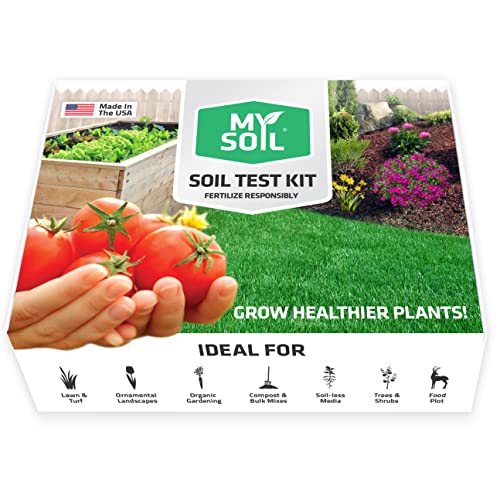
This kit aims at gardeners seeking professional-grade soil analysis. It tests 13 plant-available nutrient levels, including nitrogen and pH, with results in 6–8 days via mail-in lab analysis. It’s best for ambitious lawn and garden projects where precise nutrient management matters, such as new plantings or nutrient-sensitive perennials. The primary limitation is the wait time and the need to mail samples, which is slower than at-home tests.
Dewilde Soil Test Kit (140 Tests)

This version covers pH, ammonia, nitrogen, phosphorus, and potassium with 140 tests. It provides a comprehensive, all-in-one view of soil fertility and health, ideal for dedicated hobbyists and landscape projects. It helps tailor fertilizer plans to avoid over-fertilization and environmental impact. A potential limitation is the larger kit size and more complex handling compared to smaller home kits.
YAMRON 4-in-1 Soil Moisture Meter

The YAMRON meter delivers four readings: soil moisture, pH, temperature, and sunlight intensity. Its digital backlit display makes it easy to read in daytime or low-light conditions. Best for gardeners who want an all-in-one tool to monitor irrigation, heat stress, and light requirements. A limitation is the need for replacements of AAA batteries, and the reading accuracy can be affected by extreme soil conditions or very sandy soils.
NewTest Soil pH Test Kit

NewTest focuses on soil pH with upgraded test strips, measuring cylinders, and clear instructions. It’s ideal for beginners who want more precise color blocks to reduce interpretation errors. It’s best for gardeners who want a reliable pH baseline across garden beds or lawn sections. A limitation is that it focuses primarily on pH rather than full nutrient profiles, so you may need additional tests for N, P, and K.
AKSBTEC 2026 NEW Soil Test Kit 4-in-1

The AKSBTEC kit provides a complete 4-in-1 test: pH, nitrogen, phosphorus, and potassium. It includes 40 tests (10 per element), making it suitable for repeated use across multiple lawn, garden, or flower bed areas. It’s best for gardeners who want a balanced, repeatable testing system with straightforward color comparisons. A potential drawback is that some users may prefer digital readouts for a quick multi-parameter snapshot.
Buying Guide: How to Choose the Right Soil Test Tool
What data do you need first? Start with pH to understand acidity and lime or sulfur needs. Then determine whether you want a full nutrient profile (N, P, K, plus micronutrients) or a simpler, quick-check approach for irrigation and light needs.
- Ease of use: Beginners should favor kits with clear color charts and minimal steps. If you want fast results, choose a 3- or 4-in-1 meter that gives moisture, pH, and light in one go.
- Time to results: At-home kits return results within minutes; lab-based analyses take days. Plan according to your gardening schedule and urgency.
- Scope of analysis: For ongoing soil health, a 40- or 140-test kit provides more data across multiple areas; for routine care, a simple pH test might suffice.
- Reading method: Color comparators are common for pH and nutrients in many kits; digital meters offer quick, numeric readings but may require batteries.
- Application: If you manage several beds or a large lawn, consider a kit with repeatable testing across spots. If you garden indoors, a moisture-and-light meter can help prevent overwatering and low light issues.
Frequently Asked Questions
- How often should I test my garden soil? For established gardens, test annually or after major weather changes. For new plantings or new beds, test before planting and after any major amendments.
- What is the simplest test to start with? A basic pH test or a 3-in-1 meter that covers moisture and light is a quick starting point for many homeowners.
- Can I rely on soil test kits alone? They provide useful guidance, but for high-precision nutrient management, consider sending a sample to a professional lab or using kits that analyze multiple nutrients.
- Why is pH important for plant growth? pH determines nutrient availability; improper pH can lock out essential nutrients even if they are present in the soil.
- Do I need to test soil before every planting? Not every time, but testing before major plantings and after soil amendments helps optimize fertilization plans.
- How should I interpret color charts? Compare under natural light and follow the kit’s recommended ranges to determine lime, sulfur, and nutrient adjustments.