Find the best blue flower seeds to brighten borders, containers, and meadows. This guide highlights five blue seeds that perform well in American gardens, with clear reasons for each pick, ideal buyers, and practical planting tips. The top picks cover decorative beds, pollinator-friendly spaces, and low-maintenance options for different climates.
| Product | Best For | Why Picked |
|---|---|---|
| Butterfly Pea Flower Seeds — 50+ (Clitoria Ternatea) | Warm-season gardens; edible flower lovers | Bright purple-blue blooms; hardy and adaptable with germination tips |
| SunHaven Seeds Bachelor Button Seeds — Blue Cornflower | Seasonal borders and cut-flower beds | High seed count; classic blue color; open-pollinated |
| HOME GROWN Bachelor Button Seeds Tall Blue | Heirloom-style borders and pollinator spaces | Large seed package; tall, dramatic blooms |
| Sow Right Seeds Baby Blue Eyes Flower Seeds | Shade-tolerant garden spots and wildflower mixes | Native California variety; cheerful small blooms; butterfly-friendly |
| Outsidepride Blue Flax Seeds | Meadows, borders, and drought-tolerant beds | Long bloom period; adaptable to many climates; self-seeds |
Note: The table summarizes the five selected seeds. Each product below includes a direct link, image, and key features to help you compare at a glance.
Butterfly Pea Flower Seeds — Blue Vines

The butterfly pea flower seeds form a tropical vine that yields bright blue-to-purple blooms. This plant tolerates warm weather and adapts well to various outdoor spaces, including gardens, porches, and window boxes. Best for gardeners who want striking color and a hardy, heat-loving climber.
Germination tips: nick the seed coat for better germination; sow 1 inch deep and 3 inches apart; maintain soil temperatures of 65–80°F. Expect sprouts in 10–21 days. Plants tolerate light frost but thrive in warm climates. Caution: avoid overhead watering to reduce disease risk and rotate planting locations since legumes don’t perform well in the same spot year after year.
Who it’s best for: warm-climate gardeners seeking edible-flower accents and a showy vine that tolerates partial shade.
Blue Larkspur Seeds — Giant Imperial

This package delivers 500+ premium blue Larkspur seeds to create tall, elegant spikes with dense clusters of cobalt-blue blooms. Ideal for vertical interest in borders, cottage gardens, and cut flower arrangements.
Best for: gardeners wanting height and formal color in mixed borders. Caution: Larkspur prefers well-drained soil and full sun; avoid overly rich soils that may encourage foliage over blooms.
Bachelor Button Seeds — Blue Cornflower
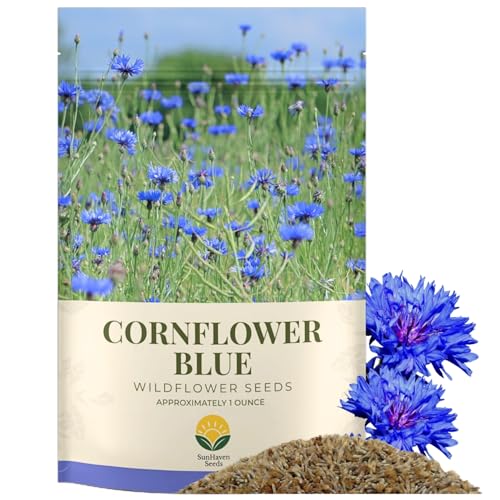
SunHaven Seeds offers an extra-large 1-ounce packet with 5,500+ blue cornflower seeds. These open-pollinated, non-GMO seeds reliably germinate and suit sunny borders, wildflower patches, and meadow plantings.
Best for: large-scale plantings that require abundant seeds and durable color. Caution: germination is influenced by soil temperature; provide sun and well-drained sites for best results.
Bachelor Button Seeds Tall Blue — HOME GROWN
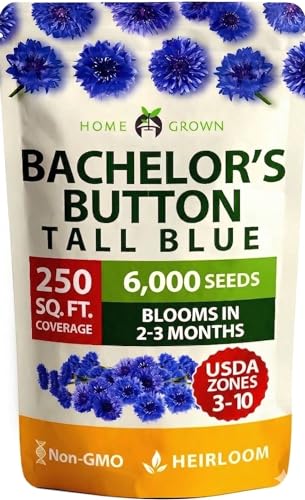
HOME GROWN’s Tall Blue Bachelor Button seeds bring 6,000 premium heirloom seeds for classic, frosty-blue blooms. These frost-triendly, open-pollinated seeds are suited for borders, pollinator gardens, and wildflower patches.
Best for: gardeners who value heirloom varieties and broad planting ranges. Caution: tall-growing plants may need staking in windy areas to prevent tipping in exposed beds.
Baby Blue Eyes Flower Seeds

Sow Right Seeds offers Baby Blue Eyes, a native California wildflower with small blue-white blooms. It grows 3–6 inches tall, tolerates partial shade, and is attractive to butterflies. This seed packet includes 500 mg (about 300 seeds) and germinates in 7–30 days under suitable soil temperatures.
Best for: gardeners seeking a compact, pollinator-friendly addition to shaded or partially shaded areas. Caution: requires adequate light to bloom well and may struggle in dense shade.
Blue Flax Seeds — Outsidepride

Outsidepride Blue Flax seeds provide bright blue blooms with a long blooming period. A drought-tolerant perennial option that grows 12–24 inches tall and self-seeds in suitable conditions. Suitable for borders, meadows, and rock gardens.
Best for: water-wise landscapes and low-maintenance color. Caution: may self-seed aggressively in favorable climates; consider containment if spreading is undesired.
Buying Guide: Key Considerations for Blue Seed Selections
- Climate compatibility: Choose seeds that match your USDA zone and seasonal temperatures to improve germination and bloom timing.
- Sun exposure and soil: Most blue flowers prefer full sun and well-drained soil; some tolerate partial shade and various soil types.
- Growth habit and height: Mix tall varieties with low-growing types to create layered gardens and ensure visibility for each bloom.
- Germination and care: Note germination windows, seed depth, and spacing; avoid overhead watering to reduce disease risk for delicate blooms.
- Pollinator appeal: If attracting bees and butterflies matters, prioritize open-pollinated or native varieties with nectar-rich blooms.
- Maintenance and reseeding: Some seeds self-seed; plan for future plantings or control spread in managed spaces.
Practical buying questions
- Which blue seed is best for a small container garden? Baby Blue Eyes or Blue Flax are often easier to grow in containers with adequate sun.
- What seed type is best for cutting gardens? Larkspur and Bachelor’s Button seeds typically yield sturdy stems ideal for arrangements.
- Are these seeds non-GMO? Several listed options are open-pollinated or non-GMO; check each product page for specifics.
- Do some seeds require a cold period? Some biennials like larkspur may benefit from cool-season emergence in certain zones.
- Will these seeds attract pollinators? Most blue-flowered varieties support butterflies and bees, enhancing garden biodiversity.
FAQ
- What is the best time to plant blue seed varieties? In most regions, plant after the last frost date for spring color, or in early fall in milder climates for a fall bloom.
- Do these seeds need special germination treatment? Some seeds benefit from nicking or scarification; follow specific packet instructions for best results.
- Can I grow these in containers? Yes, several varieties adapt well to containers with adequate sun and drainage.
- Are they prone to common garden pests? Most blue flowers are fairly resilient but monitor for slugs, aphids, and powdery mildew in humid conditions.
- Which varieties are best for cutting gardens? Larkspur and Bachelor Button varieties are particularly known for sturdy stems and vase life.