Choosing the right soil conditioner can transform heavy clay into workable, well-drained soil. This guide highlights top options that loosen clay, improve drainage, and support robust root growth. Best for homeowners with compacted or waterlogged clay, landscapers dealing with poor aeration, and anyone seeking easier lawn and garden maintenance. The selections below balance effectiveness, practicality, and ease of use.
Summary table of chosen products:
| Product | Brand | Best For | Why It’s Notable |
|---|---|---|---|
| Earth Science Fast Acting Gypsum Granules | Earth Science | Heavy clay soils seeking quick calcium boost | Pelletized, penetrates soil quickly; repairs salt-damaged soil |
| Espoma Organic Garden Gypsum | Espoma | Natural gypsum for clay loosening | All-natural mined gypsum; easy to apply; helps root growth |
| Down To Earth All Natural Fertilizers Organic Prilled Garden Gypsum | Down To Earth All Natural Fertilizers | Calcium sulfate for clay soils | Greens-grade mini granules; calcium and sulfur supply |
| Florasoul Clay Breaker Soil Amendment | florasoul | Plant-based, vegan option | Improves drainage and aeration; seaweed-derived |
| Covington Liquid Lawn Aerator | Covington Naturals | Liquid alternative to core aeration | Loosens compacted soil; easy application; safe for pets & kids |
Earth Science Fast Acting Gypsum Granules

Best for: homeowners with heavy clay soil needing quick calcium addition and salt damage repair. Why selected: fast-acting gypsum granules loosen compacted clay, improve water penetration, and support root growth. They are granular and pelletized to penetrate soil rapidly, facilitating faster results. A caution: gypsum affects soil structure by adding calcium; apply as directed to avoid over-application in already well-balanced soils.
Espoma Organic Garden Gypsum

Best for: gardeners seeking an all-natural, pelletized gypsum option to loosen heavy clay without synthetic additives. Why selected: 100% all-natural mined gypsum, pelletized for easy application, and suitable for use during the growing season. It also helps address turf burns from winter salts. Caution: follow recommended rates to prevent unnecessary calcium buildup in soils already high in calcium.
Down To Earth All Natural Fertilizers Organic Prilled Garden Gypsum

Best for: organic gardeners needing calcium sulfate granules that loosen clay and support healthy root systems. Why selected: mini-prilled granules provide calcium and sulfur without altering pH significantly. It’s a practical choice for soils needing structure improvement without chemical additives. Caution: monitor soil pH if used with other liming or acidic amendments to maintain balance.
Florasoul Clay Breaker Soil Amendment
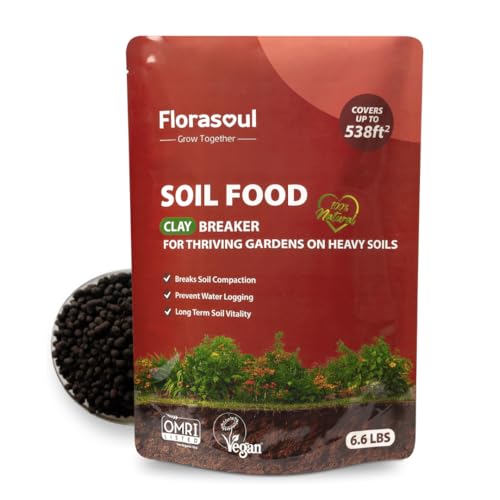
Best for: organic gardeners seeking a plant-based alternative to chemical soil softeners. Why selected: plant-based, vegan formula using seaweed and minerals to improve drainage and aeration, promoting a healthier underground ecosystem. Caution: designed for organic garden use; may be slower to show effects compared to chemical amendments in heavily compacted clay.
Covington Liquid Lawn Aerator

Best for: homeowners seeking an easy, liquid alternative to core aeration for clay soils. Why selected: a liquid conditioner that loosens soil, improves water movement, and increases air circulation, supporting better root uptake and healthier turf. Caution: liquid products can be applied more frequently but require consistent application to maintain results; avoid over-watering right after treatment.
Buying Guide: Key Considerations for Clay Soil Conditioners
- Soil testing: Start with a soil test to determine baseline pH, calcium, sulfur levels, and organic matter. This informs whether gypsum or organic amendments are most beneficial.
- Clay soil goals: Decide if the priority is improved drainage, reduced compaction, or enhanced root growth. Gypsum-based products primarily address structure and calcium supply, while organic or plant-based options focus on soil biology and drainage.
- Application method: Pelletized granules are simple to apply and weather into soil; liquid products offer rapid penetration and uniform coverage. Choose based on your equipment and scale (lawn vs. garden beds).
- Organic vs. synthetic: Organic options (humic-based, plant-based) support long-term soil health, while gypsum products provide immediate calcium to soil structure. Balance based on garden goals and environmental preferences.
- Rate and timing: Apply during appropriate seasons for the crop or lawn. Avoid applying large amounts all at once on already healthy soils; follow label instructions to prevent nutrient imbalances.
- Safety and compatibility: Check for compatibility with existing fertilizers or soil amendments. Ensure products are safe for lawns, pets, and kids when applicable.
Frequently Asked Questions
- What is the main purpose of gypsum in clay soil? Gypsum helps loosen compacted clay by supplying calcium, which can improve soil structure and root growth without dramatically altering pH.
- Can I use gypsum on all plants? Yes, but follow labeled rates. Excess gypsum can accumulate calcium or sulfate in the soil, potentially impacting sensitive plants.
- Is a liquid soil conditioner better than granules for clay soil? It depends. Liquid formulas can provide quicker access and uniform coverage, while granules offer longer-term soil modification as they work into the soil over time.
- Should I test my soil before buying a conditioner? Yes. A soil test helps tailor treatments to your soil’s specific needs, ensuring you choose the right conditioner and application rate.
- Can organic clay soil conditioners replace fertilizers? They support soil health and structure but are not a substitute for essential nutrients. Combine with a balanced fertilization plan as needed.
- How often should I apply conditioner to clay soil? Frequency depends on soil condition and product type. Follow label directions and consider seasonal soil behavior and weather conditions.