Choosing the right liner for outdoor planters helps protect roots, conserve moisture, and keep soil in place during wind and rain. This guide highlights five top liners that suit different planter shapes and climates. Whether you’re routine watering herb pots or maintaining large window boxes, there’s a liner here that balances drainage, breathability, and durability. The top picks below are best for gardeners who want simple cut-to-fit solutions, easy installation, and reliable moisture control for outdoor plants.
| Product | Best For |
|---|---|
| SUNYAY 12×40 Inch Natural Coco Liner Roll | Standard rectangular planters, decorative window boxes |
| Sinimaka Coco Liner Roll, 16×40 Inch | Odd-shaped or larger containers, DIY projects |
| Voccos 12×40 Inch Black Felt Liner | Breathability-focused, pest deterrence, clean look |
| SolaceShine Raised Garden Bed Liner | Large raised beds and troughs, soil containment |
| Wshxjzyay 2 Pack Raised Garden Bed Liner | Versatile sizing, greenhouse and outdoor uses |
SUNYAY Coco Liner Roll 12×40
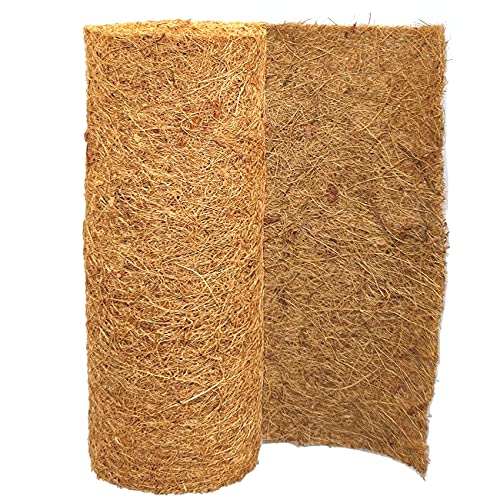
The SUNYAY Coco Liner Roll is a natural coconut coir liner designed for standard planter shapes. Made from 100% coconut fibers, this liner emphasizes eco-friendliness and plant health. The sheet measures 12×40 inches and ships as a roll for easy fitting. It’s suitable for lining planters, window boxes, hanging baskets, and even as a pet pad or ground cover where soil retention matters. Best for gardeners seeking a simple, natural option without synthetic materials, especially in climates with seasonal moisture changes. A potential limitation is that pure coir can compact over time in extremely wet conditions, which may reduce airflow slightly in very dense media.
Who it’s best for: Home gardeners looking for an all-natural, easy-to-cut liner for common rectangular planters. Why chosen: It provides reliable moisture management and a natural look while remaining easy to install. Caution: Check fit for very tall or deeply boxed planters to ensure adequate drainage paths.
Sinimaka Coco Liner Roll 16×40

The Sinimaka Coco Liner Roll features a natural coconut fiber sheet designed to fit 16×40 inch planters. This liner emphasizes eco-friendliness and durability with ample drainage holes that support water retention and air circulation for healthy root growth. It’s easy to cut to match odd-shaped planters and window boxes, making it versatile for DIY projects. Best for gardeners who need a larger liner that can be trimmed to fit irregular shapes and want a biodegradable option that still holds its form. Limitation: The natural fiber can require occasional replacement in very high-traffic or heavy-use containers.
Who it’s best for: DIY enthusiasts and container gardeners with nonstandard sizing. Why chosen: Its easy-cut design and strong weave help keep soil contained while allowing drainage. Caution: Be mindful of very wet climates where coir may compress more over time.
Voccos 12×40 Inch Black Felt Liner

The Voccos liner uses a durable 12×40 inch black felt material to provide breathable, non-woven coverage for planters. Felt liners prevent root suffocation by promoting air flow and moisture balance. They are easy to cut into shapes, hold soil in place, and resist pecking and tearing by small animals. Best for gardeners who value long-lasting fabric liners with strong moisture retention and a clean, uniform appearance. Noted limitation: Felt liners may require more frequent maintenance in very windy environments where debris can collect on the surface.
Who it’s best for: Those who want a moisture-friendly fabric liner with a tidy black look. Why chosen: It combines breathability with durability and simple customization. Caution: Ensure precise cutting for best fit to avoid soil leakage at edges.
SolaceShine Raised Garden Bed Liner 63″ X 114″

SolaceShine offers a non-woven fabric liner designed for large raised beds and troughs. Available in a 63×114 inch size (and a smaller option), this liner helps retain soil while facilitating drainage to prevent erosion. It’s trimmable to fit different troughs and can function as an insert for wooden planters as well. Best for gardeners with big outdoor beds who need a durable, reusable liner that stays in place. Limitation: Non-woven fabric may require periodic replacement depending on exposure and wear in harsh climates.
Who it’s best for: Large vegetable beds, window boxes, or planters needing a reliable, reusable liner. Why chosen: It balances soil containment with drainage, reduces erosion, and is easy to trim. Caution: Check compatibility with your bed dimensions to avoid gaps at the edges.
Wshxjzyay 2 Pack Raised Garden Bed Liner

This 2-pack includes large non-woven fabric liners designed for raised beds, greenhouses, and outdoor garden setups. The liners are cuttable to fit various shapes, providing breathability and moisture control. They work well for soil containment and fluctuating watering schedules. Best for gardeners needing multiple liners for several beds or for seasonal reconfiguration. Limitation: While versatile, non-woven fabric may require careful handling to avoid tears when cutting or folding on irregular shapes.
Who it’s best for: Multi-bed setups and flexible garden layouts. Why chosen: The two-pack offers good value for gardeners maintaining several containers. Caution: Store flat to prevent creases that can hinder fit during installation.
Qivine Raised Garden Bed Liner

The Qivine liner is a large 5ft x 9ft rectangle designed for outdoor use, including patios and decks. It’s built from durable non-woven fabric with pores that allow drainage while preventing soil from escaping. The liner is reusable and easily cut to fit different shapes, making it a solid choice for long-term outdoor projects. Best for large outdoor installs and for gardeners who want a single, reusable liner across multiple beds. Limitation: The large size may require careful measurement and cutting to fit irregular planter shapes precisely.
Who it’s best for: Large, reusable liners for expansive planters and garden beds. Why chosen: Offers a robust, breathable barrier that can be repurposed season after season. Caution: Ensure a clean, dry surface before installing to maximize fit and longevity.
Buying Guide: How To Choose The Right Liner For Outdoor Planters
- Material: Natural coco liners provide eco-friendly aesthetics and good moisture handling but may compress in very wet conditions. Non-woven fabrics offer strong durability and easy cutting but may wear faster under heavy use. Consider climate and planter size when choosing.
- Drainage And Airflow: Look for liners with open weaves or pores to maintain drainage and root air circulation. Avoid overly dense mats that can lead to root rot in wet climates.
- Fit And Cutability: Choose liners that come in sizes close to your planter dimensions, or are easy to cut to fit odd shapes. A precise fit reduces soil leakage and makes installation cleaner.
- Durability And Reusability: Fabric liners tend to be reusable across seasons, while natural coco liners may require replacement more often in high-wear zones. Weigh long-term costs against upfront convenience.
- Aesthetics: Black felt liners provide a sleek look that highlights plant colors, while natural coco liners offer a rustic, organic appearance. Decide which matches your planter style and garden theme.
- Maintenance: Consider ease of cleaning and storage. Some liners are easy to shake out and rinse, while others may require more careful handling when removing soil.
- Best For: Rectangular planters and window boxes often fit coco liners well; irregular or oversized containers benefit from cut-to-fit fabrics or multi-pack options.
Common Scenarios And Quick Recommendations
- Small balcony planters — Sunyay Coco Liner Roll or Sinimaka Coco Liner Roll for natural look and easy sizing.
- Irregular or large containers — Sinimaka or Qivine liner for flexible cutting and durability.
- Hanging baskets and decorative containers — Voccos Black Felt Liner for clean aesthetics and breathability.
- Very large raised beds — SolaceShine or Qivine for long-term use and wide coverage.
- Multiple beds in a greenhouse — Wshxjzyay two-pack liner provides value and consistent performance across beds.
Frequently Asked Questions
- Are coco liners better than felt liners? Coco liners are natural and biodegradable, offering good moisture management, while felt liners are more durable and reusable. The best choice depends on climate, budget, and how often you plan to reline.
- Can I cut liners to fit odd shapes? Yes. Most liners in this guide are designed to be cut to fit irregular containers. Use sharp scissors or a utility knife for clean edges.
- Do liners affect drainage? Yes. Properly chosen liners with breathable materials help maintain drainage and air flow to root zones, reducing the risk of waterlogging.
- How long do liners last outdoors? Durability depends on material and exposure. Natural coco may wear faster in heavy sun or rainfall; non-woven fabrics tend to last longer but may wear at folds.
- Should I line both the inside and outside of a planter? Typically, lining the interior is sufficient; exterior liners can add decorative coverage but may trap moisture if not ventilated.
- Do liners prevent weed growth? Liners mostly prevent soil loss and help manage moisture; they don’t fully stop weed infiltration from surrounding soil unless combined with a weed barrier underneath.