The best netting for preventing birds depends on your space, plants, and local wildlife. This guide highlights five reliable options and explains who each product is best for, plus practical benefits and limitations. Ideal buyers include home gardeners protecting fruit trees, vegetable plots, berry bushes, or a chicken coop. Below is a quick product snapshot to help you compare at a glance.
| Product | Mesh Size | Size / Coverage | Best For |
|---|---|---|---|
| Feitore Deer Fence Netting | 3/4 inch | 7 ft x 100 ft | Versatile garden protection; safe for birds and small animals |
| KLEWEE Bird Netting | 3/4 inch | 7.5 ft x 25 ft | Small to medium plots; added UV resistance |
| RIFNY Bird Netting | 5/8 inch | 13 ft x 40 ft | Larger garden areas; weather durability |
| Jvgoo Bird Netting | 1/2 inch | 13 ft x 40 ft | Fruit trees and vegetable rows; easy drape and cut |
| JUNKOGO Bird Netting | 1 inch | 25 ft x 50 ft | Heavy-duty protection; poultry or larger plantings |
Note: All products are designed to block birds without harming them and to protect plant growth. Some offer stronger UV resistance or larger mesh, which can influence how easily you drape, cut, and secure the netting in different climates.
Feitore Deer Fence Netting

Features to note: 7 ft x 100 ft coverage; 3/4 inch mesh; made of high-quality polypropylene; includes installation nails and cable ties; lightweight yet durable and reusable; designed to protect gardens from birds and larger animals without harming wildlife. Best for large, open garden spaces needing long runs of netting.
Who it’s best for: Home gardeners with expansive plots or fruit trees seeking a reusable, heavy-duty barrier that remains effective across multiple seasons. The long roll allows extensive coverage with fewer seams.
Why selected: It combines generous coverage with robust construction and practical accessories, making installation straightforward for larger areas. Caution: If you have extremely windy sites, the long run may require extra anchoring to prevent sagging.
KLEWEE Bird Netting

Features to note: 7.5 ft x 25 ft; 3/4 inch square mesh; UV-stabilized, weatherproof, and reusable; includes metal U-shaped staples and zip ties; designed to block birds, deer, squirrels, and other critters without harming them. Best for medium-sized garden beds or fruit trees with moderate coverage needs.
Who it’s best for: Gardeners wanting a sturdy, reusable net with straightforward setup and reliable protection against a range of pests. The included hardware simplifies securing the net in place.
Why selected: The combination of UV resistance and included installation accessories makes it a practical, ready-to-use option for many homes. Caution: The 25-foot length means more seams for larger plots, which may require careful placement to avoid gaps.
RIFNY Bird Netting for Garden

Features to note: 13 x 40 ft coverage; 5/8 inch mesh; HDPE material; UV and rot resistant; flexible for weather extremes (-58℉ to 212℉); designed for maximum protection without harming plant growth. Best for larger garden spaces seeking durable, weather-resistant netting.
Who it’s best for: Gardeners with lengthy rows or larger fruit trees who need a resilient net that withstands seasonal changes and can stay in place over time.
Why selected: Its material choice (HDPE) and wide coverage make it a strong option for long-term outdoor use. Caution: The 5/8 inch mesh is slightly larger than some competitors; ensure it still prevents smaller birds from accessing delicate crops in your specific area.
Jvgoo Bird Netting for Garden

Features to note: 13 x 40 ft; 1/2 inch mesh; HDPE material; lightweight yet strong, easy to cut and drape; includes ties for securing edges; strong enough for fruit trees and vegetable rows. Best for precise, customizable protection with easy sizing.
Who it’s best for: Gardeners who want a balance of protective mesh and easy handling, especially when fitting netting over various plant shapes.
Why selected: The 1/2 inch mesh is a versatile compromise that blocks many birds while allowing sunlight and water to reach plants. Caution: The net may require more precise placement to prevent small gaps at edges where critters could squeeze through.
Junkogo Bird Netting
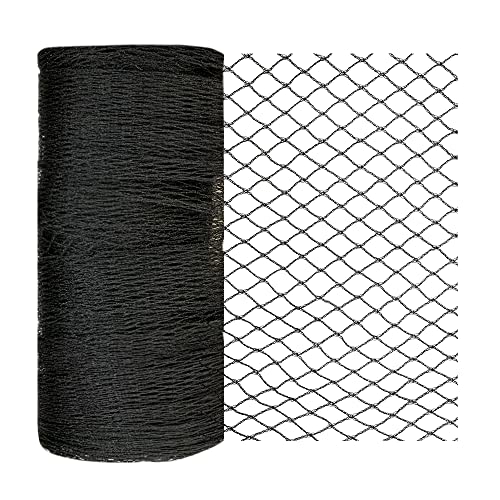
Features to note: 25 x 50 ft; 1 inch mesh; heavy-duty woven net; supports over 100 pounds; UV and anti-aging properties; suitable for chicken coops or larger garden protection; can be cut to size. Best for heavy-duty outdoor use and larger crops.
Who it’s best for: Buyers needing a robust barrier against a wide range of pests, including birds, deer, and small mammals, with the flexibility to cover large areas.
Why selected: Its strong weave and larger mesh provide long-lasting protection for big plots or poultry enclosures. Caution: The larger mesh may allow very small birds to pass in some setups; ensure adequate coverage where needed.
Buying Guide: Netting To Prevent Birds In Your Garden
What size mesh do I need?
Smaller mesh (around 1/2 to 3/4 inch) blocks most small birds without severely limiting airflow and sunlight. Larger meshes (1 inch) are easier to work with for big areas but may let smaller birds through in some conditions. Match mesh size to your crops and birds you typically encounter.
How large should the netting area be?
Choose netting that covers the full canopy of fruit trees or the entire bed. Longer rolls reduce the number of seams, which can be potential weak points. For rows or irregularly shaped beds, consider cut-to-size options or nets that are easy to drape and secure.
Is UV resistance important?
Yes. UV-stabilized nets last longer in sun-exposed areas. If you live in hot climates or expect long daylight exposure, UV resistance helps maintain tensile strength and transparency over time.
Can I reuse the netting for multiple seasons?
Many options are designed for multiple seasons and can be recycled or repurposed. Look for polypropylene or HDPE materials with reinforced edges and bundled installation accessories for easier reuse and extended life.
What installation features help?
Accessories like staples, cable ties, or ground stakes simplify setup. Nets with edge fasteners, grommets, or pre-cut lengths can reduce cutting and edge fraying, saving time during installation.
How do I prevent gaps or sagging?
Tighten nets along edges and secure corners. Use staking or weights at low points to prevent sagging. For windy sites, double-check anchored edges and consider shorter net lengths per section to reduce wind catch.
Which scenario should guide my pick?
- Large open gardens with long straight runs: consider Feitore’s 7 x 100 ft or Junkogo’s 25 x 50 ft for minimal seams.
- Medium plots with mixed crops: KLEWEE, Jvgoo, or RIFNY offer versatile sizes and strong UV resistance.
- Poultry enclosures or very large plantings: Junkogo provides heavy-duty protection and higher durability.
Maintenance tips
- Inspect nets seasonally for tears or loose ties and repair promptly to prevent crop loss.
- Rinse off accumulated debris to avoid mold and material stress.
- Store nets in a cool, dry place when not in use to extend life.
FAQ
- Can bird netting affect plant growth?
- Will nets harm birds?
- Which netting is easiest to install?
- Can netting be cut to size?
- Is UV protection essential for winter use?
Netting is designed to allow sunlight and water through while blocking birds. Choose appropriate mesh size and avoid placing nets too tightly against plant canopies to prevent shading or airflow restrictions.
No. Most nets are designed to prevent access without injuring wildlife. Ensure there are no tangled areas that could trap an animal.
Netting that includes installation hardware (staples, cable ties) and pre-formed edging is typically easier for beginners, reducing set-up time and frustration.
Yes. Most nets can be cut with standard scissors or utility knives. Be mindful of fraying and finish edges if needed.
UV protection primarily supports sun exposure in summer. If nets are used year-round, UV-resistant materials help maintain integrity through seasonal weather changes.