Answer: Blue Mouse Ears hostas are compact, shade-loving perennials ideal for small spaces, containers, and edging in gardens that stay mostly in the shade. This guide highlights five top options and explains who each is best for, plus practical buying tips. These selections suit gardeners seeking dependable, low-maintenance greenery with blue-green foliage and seasonal lavender blooms.
| Product | Best For | Key Benefit |
|---|---|---|
| BRECK’S Blue Mouse Ears Dormant Bare Root (3-Pack) | Shade gardens, early-season planting | Three dormant roots ready to establish in well-drained soil |
| Daylily Nursery 5 Blue Mouse Ears Bare Roots | Small shade spaces, container plantings | Hardy perennial suitable for zones 3-8 |
| Holland Bulb Farms Blue Mouse Ears Root | Part to full shade, decorative bed corners | Premium bulbs sized for easy planting |
| Green Promise Farms Hosta Blue Mouse Ears (Container) | Immediate planting in containers | Fully rooted in soil, ready to grow |
| Votaniki Hosta Blue Mouse Ears Rhizomes — 3 Pack | Rock gardens or small spaces | Compact, fragrant lavender blooms |
BRECK’S Blue Mouse Ears Dormant Bare Root (3-Pack)

Features: Three dormant bare root perennial plant roots. Space plants approximately 12 to 18 inches apart for best results. Tolerates a wide range of soils, but grows best in well-drained soil.
Best for: Gardeners starting a shade bed or edging in early season. The 3-pack gives a quick visual impact as the roots establish. Suitable for zones with cool, shaded conditions.
Caution: Dormant roots require proper moisture during initial establishment to prevent shrinkage or delayed emergence.
Daylily Nursery 5 Blue Mouse Ears Bare Roots

Features: Hosta thrive in shade, even in competition with tree roots. A mini clump hosta; bare root perennials ready to grow. Hardy perennial suitable for zones 3 to 8.
Best for: Shady yards needing a compact, decorative foliage accent with low maintenance. Good for beginner gardeners seeking reliable spring planting with eventual bloom.
Limitation: Bare-root plants may take longer to establish in hotter, drier soils without consistent moisture.
Blue Mouse Ears Hosta Root — Grows Great In Shade

Features: Premium bulbs in a package of 3. Small, adorable hosta with blue-green foliage, grows 6-12 inches tall and about as wide. Ideal for partial to full shade and perennializing in suitable zones.
Best for: Shaded nooks or container highlights where close-up viewing is possible; taxonomy-friendly for small spaces.
Limitation: Small stature means you should plant in a visible area to showcase the foliage, and ensure shade consistency.
Hosta ‘Blue Mouse Ears’ (Container Size)
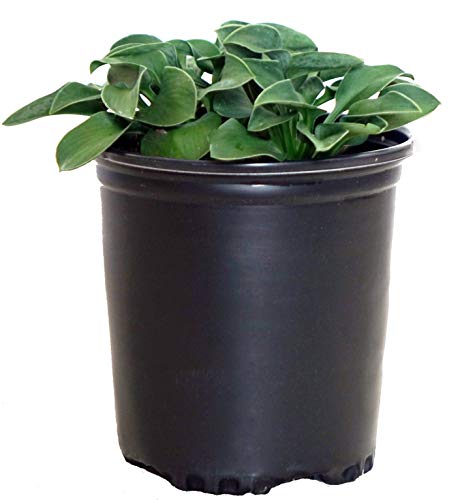
Features: Zone 5-8 adapted. Mature size about 6-8 inches tall and 12 inches wide. Delivered in a #1 size container, fully rooted and ready to plant immediately in favorable weather.
Best for: Immediate container planting or small garden borders where you want quick, predictable growth. Choose this if you prefer established roots upon arrival.
Caution: Container-grown plants require consistent watering to avoid leaf scorch in warm spells.
Votaniki Hosta Blue Mouse Ears Rhizomes — 3 Pack

Features: Fragrant lavender blooms accompany compact blue-green leaves. Height 8-10 inches, width 12-18 inches. Ideal as ground cover or edging in shaded areas.
Best for: Rock gardens or tight spaces where foliage texture adds depth without overwhelming the area. Great for those wanting a fragrance element from blooms.
Limitation: Rhizomes may require careful spacing to ensure even spread and uniform clump formation.
Buying Guide
What space do you have?
Measure the area to determine plant spacing needs. Blue Mouse Ears hostas are compact, typically spreading 6-18 inches depending on cultivar and soil, so plan border edges or container clusters accordingly.
Shade and light requirements
These hostas thrive in partial to full shade. Avoid locations with long periods of direct sun, which can scorch foliage even in tolerant varieties.
Soil and drainage
Most Blue Mouse Ears perform best in well-drained soil. If your soil stays wet, amend with organic matter or consider raised beds to prevent root rot.
Hardiness and climate
Hardiness ranges vary by cultivar, with many suited for zones 3-8. Confirm local winter conditions and provide winter mulch if needed for perennials in colder regions.
Container options
Containers are ideal for small spaces or patios. Choose a pot with drainage and plan for regular watering, as container soils dry faster than ground soils.
Maintenance and care
Most Blue Mouse Ears require light feeding in spring, consistent moisture, and occasional dividing if clumps become crowded. Remove spent blooms to encourage foliage focus.
Flower attractiveness and fragrance
Lavender blooms add seasonal color and fragrance in many cultivars. This can influence placement for visual appeal or companion planting with pollinator-friendly perennials.
FAQ
- Are Blue Mouse Ears hostas good for beginners?
Yes. They are generally low-maintenance, shade-tolerant perennials that establish well with adequate moisture and proper spacing.
- What soil type do they prefer?
Well-drained soil is ideal. They tolerate a range of soils but perform best where drainage is good to prevent root rot.
- How tall do they grow?
Most Blue Mouse Ears varieties stay around 6-12 inches tall, with similar or slightly wider spreads, depending on cultivar and growing conditions.
- Can they be grown in containers?
Yes. Many selections arrive as rooted containers or are suitable for container growth, provided they receive consistent moisture and shade.
- Do these plants attract pollinators?
Some varieties produce lavender flowers that attract butterflies and other pollinators during bloom periods.
- Are all Blue Mouse Ears suitable for zones 3-8?
Most are, but check the specific cultivar’s hardiness to ensure it matches your regional climate.