Looking for reliable 1/2 inch sprinkler tubing for a drip irrigation setup? This guide highlights five practical options designed for gardens, pots, and landscape beds. The listed tubings support main lines, feeder lines, or direct emitter placement, helping you tailor water delivery to your plants. Best for small to medium residential gardens, container collections, and multi-zone drip layouts. Each pick is evaluated for durability, flexibility, and ease of installation to help you choose confidently.
Summary table of selected products:
| Product | Brand | Length / Size | Best For |
|---|---|---|---|
| Raindrip 052050 1/2-Inch Drip Irrigation Supply Tubing | Raindrip | 500 ft | Main supply or feeder line, large setups |
| Raindrip 052020P 1/2-Inch Drip Irrigation Water Supply Tubing | Raindrip | Varies (drip line tubing) | Versatile drip line with emitters integration |
| POND BOSS 1/2-Inch PVC Tubing for Water Gardening | POND BOSS | 20 ft | Water features and pond pumps |
| Maotong 40 FT 1/2 inch Drip Irrigation Tubing Main Line | Maotong | 40 ft | Main line connections with fittings |
| Riboud 50 FT 1/2 Inch Drip Tubing Main Line | Riboud | 50 ft | Mid-length main line runs and zones |
Raindrip 052050 1/2-Inch Drip Irrigation Tubing
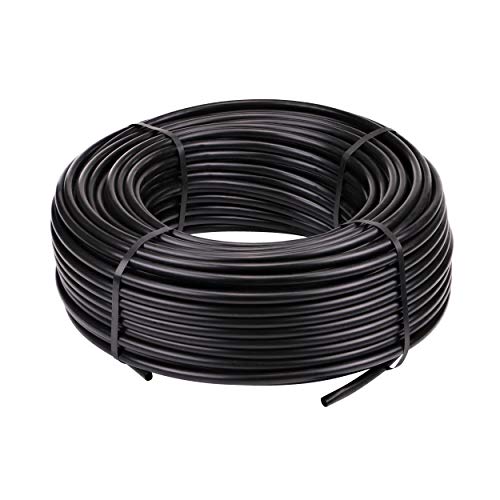
Features: 1/2 inch irrigation tubing for main supply or feeder lines; designed for drip emitters punched into the line. Flexible to fit trees, shrubs, and beds. Outside diameter 0.62 in, inside diameter 0.52 in. Ideal for larger garden zones or setups that require multiple branches. Best for buyers who need a robust main line with the option to attach drip emitters along the run.
Best for: Home gardeners planning broad irrigation layouts or replacing an older main line. Choose this if you want a durable main supply with easy emitter integration along the tubing. Limitation: Very long lengths may require careful handling and support to prevent sagging in outdoor installations.
TotalPond Vinyl Tubing, 1/2-Inch

Features: 1/2 inch inner diameter by vinyl tubing, 20 feet long, flexible tubing blends with surroundings. Designed for garden and simple irrigation runs. Its vinyl construction supports easy routing around plantings and is commonly used for small-scale drip lines or pond-related systems. Best for buyers who want a flexible, low-cost option for moderately long runs.
Best for: Small gardens and container setups where quick, simple tubing is preferred. Limitation: Shorter length per piece may require joining multiple segments for larger projects.
ZY-hosetube 1/2″ ID Vinyl Tubing

Features: 1/2 inch inner diameter, 25 feet length, black vinyl tubing with good flexibility and resistance to aging. Works for low-pressure applications and is designed to withstand field handling with minimal kinking due to thicker walls. Comes with two hose clamps for quick setup. Best for: DIY installers needing a compact, flexible run with good kink resistance. Limitation: Maximum working pressure around 60 PSI, so high-pressure systems should use sturdier lines.
Maotong 40 FT 1/2 inch Drip Irrigation Tubing

Features: 13mm ID by 16mm OD, 40 feet length, extra thick 3mm wall for explosion-proof protection. Includes straight connector and a 3-way connector for T-shaped layouts. Made from polyethylene with ROSH-certified flexible fabric material for year-round use, capable of withstanding -20℃ to 70℃. Best for: Gardeners who want a durable main line with flexible fittings to create complex drip networks. Limitation: Slightly longer length options may require careful storage during off-season.
Riboud 50 FT Drip Tubing Main Line

Features: 13mm ID, 16mm OD, 3mm wall thickness, 50 feet length. Includes 6-way connector and straight couplers. Made for durability with weather resistance and compatibility with standard 1/2 inch drip fittings. Best for: Projects requiring longer main-line runs or multiple branching points. Limitation: Must ensure proper routing to avoid stress at connector joints in windy or heavy irrigation zones.
Drip Depot Polyethylene Tubing 1/2″ (100′), ID 0.600″ x OD 0.700″
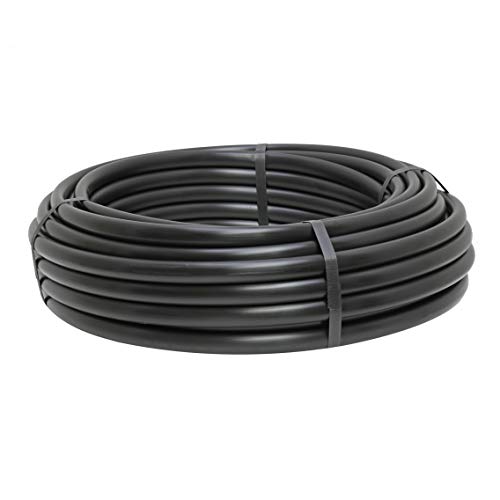
Features: 1/2″ tubing with inside diameter .600″ and outside diameter .700″, 100 feet length. Premium agricultural grade polyethylene tubing used for drip irrigation systems and greenhouse setups. Best for: Medium-length runs and replacement tubing in established drip zones. Limitation: Larger ID/OD requires fittings designed for 1/2″ PE tubing; not all 1/2″ fittings fit all brands.
Buying Guide
What should you consider when buying 1/2 inch drip tubing?
- Length and layout: Choose a length that minimizes joints and supports congestion in tight beds. Longer runs may require extra connectors and stakes.
- Material and durability: Polyethylene and vinyl tubing offer different balances of flexibility, UV resistance, and temperature tolerance. For year-round outdoor use, look for reinforced or thicker-walled options.
- Pressure handling: Drip systems operate at relatively low pressures. Ensure the tubing can handle at least the anticipated PSI without kinking or bursting.
- Compatibility with fittings: Confirm that your chosen tubing matches standard emitters, connectors, and adapters used in your irrigation plan.
- Intended use: Main supply lines vs. feeder lines vs. emitter-embedded dripper lines; select tubing designed for the intended role to maximize performance.
Frequently Asked Questions
- What is the difference between main line tubing and feeder line tubing? Main lines bring water from the source; feeder lines branch to zones or emitters. Your selection depends on layout and plant zones.
- Can I use 1/2″ tubing for a high-flow system? It depends on source pressure and overall design. For very large landscapes, consider larger or multiple parallel lines to reduce pressure drop.
- Is vinyl tubing suitable for outdoor use? Yes, but check UV resistance and temperature ratings. Vinyl is inexpensive and flexible for short to medium runs.
- Do I need clamps or fittings for 1/2″ tubing? Yes, use compatible clamps and fittings to prevent leaks at joints and ensure a secure seal under irrigation pressure.
- How do I prevent kinking in tight spaces? Use spiral or curved routing, add support stakes, and avoid sharp bends; when necessary, use a tougher line for corners.
- What maintenance helps longevity? Regularly inspect for cracks, replace aging sections, and keep emitters clean to prevent clogging and pressure issues.