These coral bark maples bring vivid color to borders, patios, and containers. This guide highlights five top choices, showing who each cultivar suits best and why they stand out. Whether you want compact growth, striking winter stems, or vibrant spring foliage, these selections offer dependable color through all seasons. The following table summarizes each option to help you compare at a glance.
| Product | Best For | Growth Habit | Key Color Feature |
|---|---|---|---|
| Little Sango Dwarf Coral Bark Japanese Maple | Small gardens, container planting | Compact, under 5 feet | Intense coral red stems year-round |
| Coral Bark Japanese Maple Sango Kaku 3-Year | Year-round color in medium space | Moderate size, tall habit | Bright red bark and lime-green new leaves |
| Beni Kawa Japanese Maple | Color contrast in mixed borders | Small to medium shrub-like tree | Intense coral bark; red-edged new leaves |
| Sango Kaku Coral Bark Japanese Maple | Showpiece focal tree | Medium to large | Fluorescent bark; bright green leaves |
| Bihou Japanese Maple | Winter interest with amber tones | Medium | Amber and apricot bark in winter |
Little Sango Dwarf Coral Bark Japanese Maple

Product highlights: A dwarf coral bark maple with intense coral red stems that stay visible through all four seasons. It stays compact, growing only about 5 feet tall, making it ideal for small gardens or container use. Spring foliage emerges lime green, providing a fresh seasonal contrast against the red stems. Best for gardeners who want a striking focal point without a large footprint. Caution: Its compact size means it may require careful placement to avoid crowding or competition for roots in tight spaces.
Coral Bark Japanese Maple Sango Kaku 3-Year Live Plant
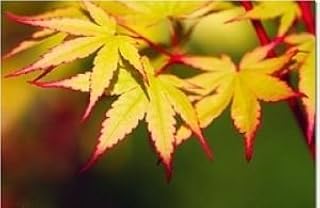
Product highlights: A vivid coral bark cultivar known for four-season appeal. This Sango Kaku features intense coral red stems and lime-green new leaves in spring, transitioning to dramatic color shifts through the year. It’s a robust choice for medium-sized landscapes or larger container displays. Best for homeowners seeking a reliable, year-round color beacon with strong bark contrast. Limitation: As with many maples, it benefits from some winter protection in very cold zones.
Beni Kawa Japanese Maple

Product highlights: An enhanced coral bark selection with deeper winter red stems and spring leaves edged in red as they emerge. The plant offers strong color contrast for borders or focal plantings and pairs well with evergreens for year-round interest. Best for gardeners who want a striking, compact specimen with a touch of red in the spring foliage. Caution: The distinct red-edged new leaves may contrast sharply with neighboring perennials; plan color combinations accordingly.
Sango Kaku Coral Bark Japanese Maple Tree

Product highlights: A highly sought-after cultivar with coral bark that becomes almost fluorescent in certain lighting. The foliage tends to be a light green that looks brighter against the coral bark, especially in fall when colors intensify. Best for those wanting a dramatic centerpiece with standout winter color. Limitation: Availability can be sporadic due to demand, so plan ahead when purchasing for a specific garden timeline.
Bihou Japanese Maple

Product highlights: This variety showcases amber and apricot colored bark, offering a unique winter display that complements coral tones. It adds warmth to landscapes during colder months and remains an interesting choice for mixed borders. Best for gardeners seeking a distinct, warm-toned bark color that stands out in winter. Caution: The color intensity can vary with light exposure and age of the plant, so outcomes may differ by location.
Buying Guide
- Site conditions: Coral bark maples prefer well-drained soil and partial sun to partial shade. Full sun can intensify bark color but may increase leaf scorch risk in hotter climates.
- Size and space: Compact varieties like Little Sango suit small spaces, while Sango Kaku and Beni Kawa can become larger trees. Plan for mature size and root spread.
- Winter color: If you prioritize winter interest, select cultivars with strong bark color in cold months, such as Beni Kawa and Sango Kaku variants.
- Maintenance: Pruning is typically modest; remove dead branches and maintain balance. Mulch lightly to protect shallow roots.
- Color balance: Pair coral bark maples with evergreens or plants with cool-toned foliage to maximize contrast for year-round impact.
Frequently Asked Questions
- What is coral bark maple? It is a group of Japanese maples with vibrant colored bark that remains striking through multiple seasons.
- Are coral bark maples suitable for containers? Yes, many cultivars are compact or dwarf and perform well in containers with adequate watering and drainage.
- When do these maples display the best color? Bark color is most dramatic in winter and early spring, with leaves often bright or lime-green in new growth.
- Do these trees require special care? They prefer well-drained soil, consistent moisture, partial sun, and protection from harsh afternoon sun in hot climates.
- Which cultivar should I choose? Choose based on space: Little Sango for small spaces; Sango Kaku and Sango Kaku variants for a showpiece; Bihou for winter warmth; Beni Kawa for leaf-edge contrast.
- Can color vary by location? Yes, light, climate, and soil conditions can influence bark intensity and leaf color.