When choosing pressure treated wooden stakes, look for sturdy, rot-resistant wood and sizes that fit your project. This guide highlights five reliable options and who they’re best for, from gardening borders to sign posts and survey markers. Use these picks to plan fences, plant supports, or yard delineations with confidence. The table below compares the five products at a glance, helping you decide which stake fits your landscape goals and budget.
| Product | Length x Width | Best For | Key Feature | Limitations |
|---|---|---|---|---|
| Universal Forest Products 2 x 2-18″ Grade Stake | 18″ | Small-scale beds and markers; beginner projects | Durable, easy to use | Manufactured in China |
| Kitzmans – Dixon LLC 24″ Grade and Survey Stakes | 24″ | Property lines, survey references | Made in United States | Limited to 24″ length |
| Greenes Fence 3 Ft. Wooden Garden and Sign Post Stakes (25-Pack) | 3 ft | Garden borders and sign posts | Versatile plant support | Not explicit pressure treatment stated |
| Kitzmans – Dixon LLC 36″ Grade and Survey Stakes | 36″ | Longer survey and property markers | Made in United States | Longer size may require more soil prep |
| Greenes Fence 4 Ft. Garden Stakes (50 Pack) | 4 ft | Large garden projects and fencing | High quantity for bigger jobs | Requires more digging in hard soil |
Universal Forest Products 2 x 2-18″ Grade Stake — 12 Pack

This compact stake is best for small garden beds, edging, or marker points. The 2 x 2 profile offers a solid anchor in soft to medium soils, and the 18″ length keeps projects tidy without excessive protrusion. It is listed as durable and easy to use, making it suitable for DIYers and beginners handling light- to medium-duty tasks. A potential limitation is the lack of explicit information about pressure treatment in the product data, which may matter for extended ground contact in damp climates.
Kitzmans – Dixon LLC 24″ Grade and Survey Stakes

These 24″ stakes are well-suited for marking property lines and garden boundaries where a taller stake is helpful for visibility. Made in the United States, they offer a straightforward, sturdy option for general outdoor marking and surveying tasks. If you need a longer marker, choose a 36″ version; otherwise, this height balances concealment in taller planting areas with legibility from a distance. A caveat is that the listing confirms manufacturing origin but does not detail the wood species or treatment level.
24 Pcs 12 Inch Heavy Duty Landscape Lawn Garden Border Stakes
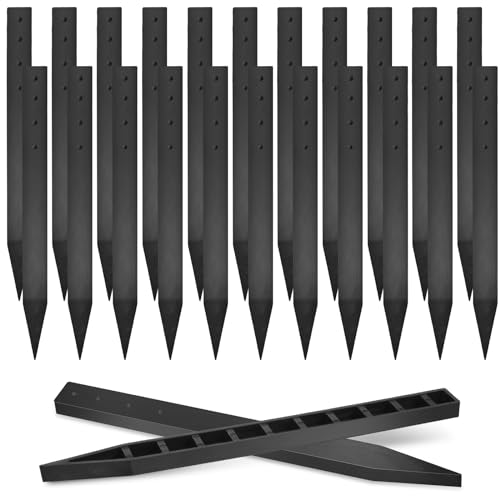
Although these are plastic stakes rather than wood, they are included in the broader stake category due to their use in landscape edging and border delineation. They are best for rapid installation in smaller edging projects or temporary delineation where wooden stakes are not required. They should not be used where long-term wood rot resistance or soil-penetration strength is essential. For those seeking wooden options, consider the other products listed in this guide.
Kitzmans – Dixon LLC 36″ Grade and Survey Stakes
The 36″ variant provides improved legibility for marking distant points and sections, useful in larger landscape or property delineations. As with the 24″ version, these stakes emphasize domestic manufacturing, which may appeal to buyers prioritizing local sourcing. The listing does not specify the wood species or whether the product is pressure treated, so confirm this detail if long-term outdoor durability is critical for your climate.
Greenes Fence 3 Ft. Wooden Garden and Sign Post Stakes

These 3 ft wooden stakes are versatile for garden beds, fence lines, or sign posts. The 3/4 inch thickness provides a sturdy anchor for many garden scenarios and supports all types of plants. They are a solid choice for medium to large garden zones where longer stakes improve visibility. A limitation to note is that the product description does not explicitly state pressure treatment, which may influence choices in wetter climates or near the ground where rot resistance matters over time.
Greenes Fence 4 Ft. Garden Stakes (50 Pack)

For larger garden projects, these 4 ft stakes offer substantial reach and strength for supporting taller plants and creating robust borders. The 50-pack makes this ideal for expansive beds, multiple rows, or public-facing garden displays. Like other Greenes products, the listing emphasizes plant support and sign post suitability. The main caveat is that specific pressure treatment details are not stated; ensure your climate requires this level of treatment before purchase.
Buying Guide: Pressure Treated Wooden Stakes Essentials
What material and treatment should I look for?
Pressure treated wood resists rot and insect damage, extending life in moist or ground-contact environments. Look for explicit mentions of pressure treatment, warranty coverage for exterior use, and the wood type (e.g., pine or fir) along with the treatment standard (such as CCA-free or arsenic-free variants). If you need natural-looking wood, consider untreated options with a separate sealant, but expect shorter outdoor longevity.
What length and thickness are best for my project?
Shorter stakes (12–18 inches) work well for borders and markers in small beds. Medium lengths (24–36 inches) balance ground penetration with visibility for lawns and garden edges. Long stakes (40 inches and above) are ideal for heavy plant supports or larger landscape delineations. A thicker stake provides stronger resistance to wind and soil pressure but may be harder to drive into hard soil.
Wood species and availability
Common species include pine and fir. Pressure treatment often uses broad-spectrum preservatives. Availability may vary by region, and domestic-made stakes can reduce shipping concerns and support local suppliers. Consider wood with straight grain and minimal knots for consistent performance and easier insertion.
Installation considerations
Pre-drilling holes can help in soft soils or for thick stakes. Use a hammer or mallet for driving, and stagger stakes on straight lines to reduce lateral movement. For sign posts, ensure the stake height aligns with line-of-sight and legibility. Always follow local guidelines for fence and marker heights to avoid compliance issues.
Longevity and maintenance
Even pressure treated wood will eventually degrade if exposed to harsh conditions without proper maintenance. Consider applying a breathable sealant after installation and inspecting stakes annually for rot, warping, or loosened attachments. Replacing compromised stakes promptly maintains structural integrity and property delineations.
How to choose among the five options?
- Best for small, quick projects: Universal Forest Products 2 x 2-18″ Stake.
- Best for formal surveys and longer visibility: Kitzmans 24″ or 36″ Stakes.
- Best for gardens with plentiful posts: Greenes Fence 3 ft or 4 ft Stakes.
- Best for bulk needs: Greenes Fence 4 ft 50-pack for large beds.
FAQs
- Q: Are these stakes truly pressure treated?
A: The product descriptions do not always specify treatment; check the labeling or contact the seller to confirm pressure treatment prior to purchase. - Q: Which stake length is best for sign posts?
A: Longer stakes (24–36 inches or more) generally provide better visibility for signs and markers. - Q: Can I use these in wet soil without additional sealant?
A: Pressure treated wood helps, but sealing and periodic maintenance improve longevity in moist environments. - Q: Are domestically produced stakes better for my project?
A: Domestic production can offer shorter lead times and easier returns; consider your preference for origin alongside treatment level. - Q: How many stakes come in a typical pack?
A: Pack sizes vary by product; planning for your project size helps determine the required quantity.