Raised vegetable planter boxes simplify growing vegetables, herbs, and flowers by providing good soil, drainage, and easy access. This guide highlights five popular options ideal for American backyards, patios, and balconies. Each product is chosen for sturdy construction, elevated design, and practical features that help beginners and seasoned gardeners alike. Read on to find the best fit for your space, mobility needs, and desired soil depth.
Summary of selected products:
- DIIYIV Galvanized Raised Garden Bed with Legs — 48×18×30 inches, 300 lb capacity, gray.
- Vengarus Galvanized Raised Garden Bed — 48×18×32 inches, 300 lb capacity, includes tools.
- Best Choice Products Raised Garden Bed — 48×24×30 inches, all-wood construction.
- Yaheetech Horticulture Raised Garden Bed — 34×18×30 inches, two-tier design with storage shelf.
- MIXC Wooden Raised Garden Bed — 48×24×31 inches, heavy-duty with liner option.
DIIYIV Galvanized Raised Garden Bed With Legs

The DIIYIV raised bed offers a spacious planting area with a two-piece design in one box. Its galvanized steel construction provides durability for outdoor use and a 300-pound capacity, making it suitable for a variety of vegetables and herbs. The legs raise the bed for comfortable gardening height, reducing strain on the back and knees. A safe design includes rounded corners and polished edges to prevent injuries. This model is best for gardeners who want a sturdy, tool-free assembly and a contemporary gray finish that looks good on patios and balconies.
- Best for: Those who want a tall, roomy, tool-free garden box with a modern look and strong frame.
- Why selected: Strong steel construction and leg height improve accessibility and soil volume in a single two-piece package.
- Caution: Metal may heat soil in full sun; consider shade or a drip irrigation plan in hot climates.
Vengarus Galvanized Raised Garden Bed With Legs

The Vengarus model mirrors the galvanized, elevated design with a generous 48×18×32 inch footprint and a 300-pound capacity. It ships with two beds in a single box, includes protective pads to guard against sharp edges, and features polished steel edges for safety. The kit is easy to assemble without extra tools, and Vengarus provides the necessary tools. This option is best for gardeners who want a deep, durable bed with a compact footprint and a modern black finish for outdoor spaces.
- Best for: Compact, heavy-duty raised beds that need a strong frame and simple assembly.
- Why selected: Extra depth and included tooling support improve setup speed and planting capacity.
- Caution: Ensure proper sun exposure to prevent overheating soil in hot climates.
Best Choice Products 48x24x30 Raised Garden Bed
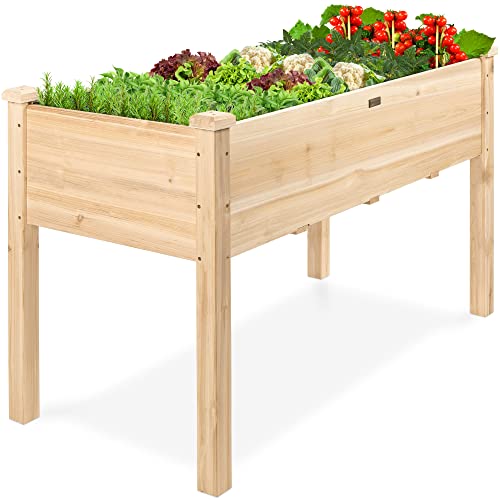
This all-wood raised bed uses durable Chinese fir for a natural, weather-resistant frame. The bed offers a long planting space of about 5 cubic feet, ensuring ample room for vegetables and flowers. It includes a bed liner for moisture management and helps prevent soil from draining or rotting the wood. Proper drainage is built-in to reduce waterlogging risks, making it suitable for climates with variable rainfall. The wood construction appeals to gardeners who prefer a traditional aesthetic on decks, patios, or in backyards.
- Best for: Gardeners who want a natural wood look with a fairly large planting area.
- Why selected: Combines space with a practical liner and drainage features for healthy plant growth.
- Caution: Wood requires maintenance over time to preserve color and durability; consider sealant or stain.
MQHUAYU 2-Pack Tomato Planter With Trellis

The MQHUAYU set integrates a self-watering reservoir and air circulation to support consistent moisture and healthy roots. The design features an elevated planter with taller walls and a tower arrangement, allowing for more soil capacity and vertical growth. This is especially advantageous for climbing plants, tomatoes, peppers, and flowering vines. The 57-inch height provides significant soil depth, which helps plant resilience and reduces frequent watering. This option is best for gardeners prioritizing moisture management and vertical space.
- Best for: Climbing vegetables and vines that benefit from built-in moisture control.
- Why selected: Self-watering design and elevated capacity promote robust root development.
- Caution: Self-watering systems require proper maintenance to prevent clogging and ensure even distribution.
VINGLI Heavy Duty Raised Garden Bed With Bed Liner

The VINGLI bed uses thick pine wood and a robust design aimed at long-term outdoor use. A transparent anticorrosion paint coating helps protect the wood, making it suitable for year-round gardening in various climates. The bed is designed for heavy loads and outdoor resilience, with a stable legged configuration that keeps soil elevated for easier access. The included liner helps with moisture management and prolongs wood life. This option is best for gardeners seeking a sturdy, wood-based bed with a protective finish.
- Best for: Durable wooden beds that endure outdoor conditions with a protective coating.
- Why selected: Strong timber frame and protective finish provide longevity for seasonal use.
- Caution: Wood may require periodic maintenance to keep the finish intact over time.
LEETOLLA Elevate 32″ Tall Raised Garden Bed

The LEETOLLA model emphasizes mobility and capacity, featuring wheels and a shelf for on-the-fly space reconfiguration. With a 400-pound capacity and anti-rust steel construction, this planter is designed for frequent relocation and long-term durability. The design supports various plant types, from leafy greens to root crops, and is especially suitable for seniors or gardeners who need to move containers to catch sun or shelter. A trade-off is the need for periodic wheel maintenance to ensure smooth movement.
- Best for: Moveable, high-capacity planters for sun tracking or space optimization.
- Why selected: Wheels and shelf provide practical mobility and organization in one unit.
- Caution: Heavier loads may require careful handling to avoid tipping on uneven surfaces.
Buying Guide: What To Consider Before You Buy
Choosing the right raised garden bed involves balancing height, material, stability, and space. Here are practical questions and considerations to guide your decision.
- What is the ideal height for you? Taller beds reduce bending and back strain, important for long gardening sessions. Consider adjustable-height options if you have limited mobility.
- What material fits your climate? Galvanized metal resists weather but can heat soil; wood provides a natural look but requires maintenance and treatment to extend life. Some blends pair liners with frames for moisture control.
- Do you need mobility? Beds with wheels or lightweight frames offer flexibility to chase sun and protect plants from storms or pests, especially in small spaces.
- How much soil and plant volume do you need? Larger beds support more vegetables but require more soil and moisture management. Depth and width influence root growth and drainage.
- Is drainage a priority? Proper drainage prevents waterlogging and disease. Look for beds with drainage holes or liners and consider seasonal rainfall in your area.
- How will you manage moisture? Self-watering reservoirs and perforated liners help maintain even moisture, reducing daily maintenance in dry climates.
Frequently Asked Questions
- Are galvanized beds better than wooden ones? Galvanized beds offer durability and low maintenance, while wooden beds provide a natural look and can be stained or sealed for longevity. Your climate and desired aesthetics guide the choice.
- Can I grow vegetables in raised beds on a balcony? Yes. Choose a bed with a compact footprint, good drainage, and appropriate soil depth. Light-weight materials or elevated designs help with balcony access.
- Do raised beds require a liner? Liners help manage moisture and prevent root rot in some woods. They also reduce soil loss and wood contact with damp soil. Use liners if you need extra moisture control.
- How much soil does a large bed need? Depth and footprint determine soil volume. A 48×24 inch bed with 12–15 inches of soil depth typically provides ample space for many vegetables.
- Is assembly difficult? Some models are tool-free, while others require basic tools. Check included hardware and setup instructions before purchase.
- What maintenance is needed? Wood beds may need sealing or staining; metal beds may require rust prevention in harsh climates. Regular cleaning helps maintain longevity.