Answering buyers who want a practical, pesticide-free way to protect apple, pear, and stone fruit trees: pheromone traps attract and capture codling moths to monitor and reduce infestations. These picks are best for backyard trees, small orchards, and home gardens seeking targeted, non-toxic pest management. The top products below use species-specific lures to attract moths while minimizing impact on pollinators.
Summary table of selected products:
| Product | Best For | Typical Lifespan | Notes |
|---|---|---|---|
| VivaTrap VT-106 Codling + Oriental Fruit Moth Trap & Lure | Small orchards, mixed fruit trees | 8 weeks | Includes lure for both codling and oriental fruit moths; dual-action cartridge. |
| Codling Moth & Oriental Fruit Moth Trap (2 Pack) | New or expanding home orchards | 8 weeks | Only lure/trap offering for Oriental Fruit Moths in this line. |
| Bailey’s Codling Moth Trap Kit (2-Pack) | Organic and safe-to-use in homes | Up to 60 days | Specifically designed for codling moths with pheromone-based lure. |
| Monterey Codling Moth Trap & Lure | People seeking simple, manual monitoring | Varies by use | Two traps and lures included; manual power source note. |
| Mysora Codling Moth Traps (6 Pack) | Medium-to-large home orchards | Up to 6 weeks per lure | Triangular hanging traps with pheromone lures; good value kit. |
VivaTrap VT-106 Codling + Oriental Fruit Moth Trap & Lure (2 Pack, 8 Week)
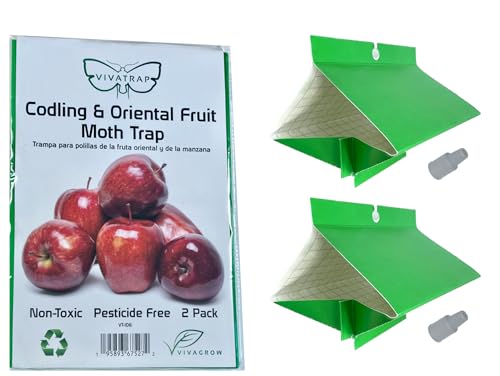
Best for mixed fruit trees in small orchards, this kit uses a three-component pheromone attractant targeting male and female codling moths and male oriental fruit moths. The 8-week pheromone lures reduce the need for frequent maintenance. Choose this if you want long-lasting traps that address both codling and oriental fruit moths in one setup. A potential limitation is the need to monitor lure effectiveness periodically in very warm climates.
Codling Moth & Oriental Fruit Moth Trap (2 Pack, 8 Week)

Ideal for first-year or expanding orchards, this product provides a dedicated trap and lure for both codling moths and the oriental fruit moth. It is pesticide-free and non-toxic, making it suitable for those seeking non-chemical approaches. It’s best for homeowners prioritizing single-location monitoring. A limitation is that it relies on pheromone lure performance, which can vary with temperature and wind.
Mysora 6 Pack Codling Moth Traps with Pheromone Lures
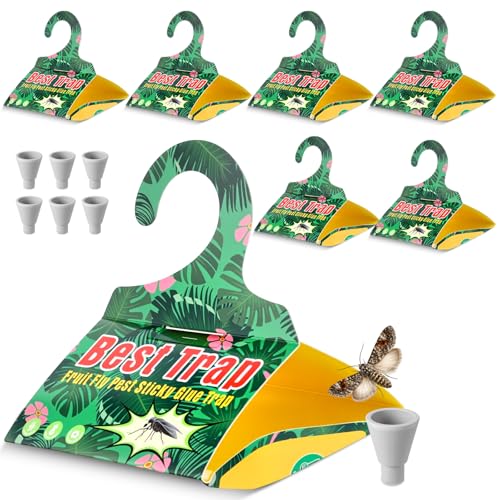
Best for mid-sized orchards or multiple-tree layouts, this 6-trap set offers wider coverage with triangular hanging traps and species-specific pheromone lures. It provides a focused, environmentally aware approach to pest management. Consider this kit if you need consistent monitoring across several trees. A caveat: not all lures guarantee the same effectiveness in extreme heat or heavy wind.
Bailey’s Codling Moth Trap Kit (2-Pack)

Best for organic and safe monitoring, these traps use species-specific pheromones designed to attract codling moths while remaining safe for beneficial insects. With lures lasting up to 60 days, the kit reduces maintenance intervals. Use this if you want a product that aligns with pollinator-friendly pest management. A limitation is that the kit is focused on codling moths and may miss other pests without additional monitoring tools.
Monterey Codling Moth Trap & Lure – 2 Traps/2 Lures

Good for straightforward, manual monitoring setups, this Monterey option provides a simple two-trap system. It’s best for homeowners who want a low-complexity solution with clear, actionable monitoring data. A potential drawback is that the description notes manual power as a factor, so ensure you have a routine to check traps regularly for consistent results.
Mysora Codling Moth Traps (18 Pack)

Best for larger orchards or multi-tree placement, this 18-trap kit covers more area with abundant pheromone lures. It’s ideal when comprehensive monitoring across a wider space is needed. A limitation is the higher upfront quantity, which may be excessive for very small setups.
Buying Guide
Key considerations when choosing codling moth pheromone traps:
- Target pests: Confirm whether you need traps for codling moths only or also for oriental fruit moths. Some kits include dual lures.
- Trap design: Triangular hanging traps vs. flat sticky traps influence placement and visibility in trees and branches.
- Lure longevity: Look for lures with longer lifespans to reduce maintenance. Typical lifespans range from 6 to 8 weeks or up to 60 days.
- Coverage and quantity: Larger orchards benefit from multi-pack sets to ensure even distribution and better monitoring.
- Safety and non-toxicity: Organic and pheromone-only products are preferable for homes with pollinators and pets.
- Climate suitability: Heat, humidity, and wind can affect lure effectiveness. Choose products with proven field performance in your region.
Frequently Asked Questions
- What is the main purpose of codling moth pheromone traps?
They monitor moth activity and lure moths away from fruit, helping to time controls and reduce damage.
- Can these traps replace spraying completely?
They reduce the need for sprays but may not fully replace chemical controls in severe infestations.
- Are pheromone traps safe for pollinators?
Yes. Most products use species-specific pheromones that do not attract or harm pollinators.
- How often should traps be checked?
Check traps at least every 1–2 weeks during the active season and replace lures as recommended by the manufacturer.
- Do traps attract more moths to the area?
Traps can attract moths to the traps themselves, reducing active moth presence on the fruit trees when monitored properly.
- Can I use multiple brands together?
Yes, but ensure you understand each product’s lure specificity and follow placement guidelines to avoid interference.