Choosing the right border solution can define property lines, enhance curb appeal, and provide privacy. This article highlights five products that cover living screens, decorative edging, and sturdy border options suitable for American yards. From fast-growing trees to flexible edging and durable metal borders, these picks help define spaces around trees, flower beds, and lawn borders with practical, no-dig installation when possible.
| Product | Type | Best Use | Material |
|---|---|---|---|
| Emerald Shield Poplar Tree Cuttings | Living tree | Privacy screens, property lines | Poplar |
| Worth Garden Short Fence | Wooden edging fence | Flower beds, tree borders, pathways | Carbonized wood |
| Landscape Edging 33FT Kit | Plastic edging with spikes | Garden borders, beds, paths | HDPE plastic |
| Newflager Garden Fence | Wood border edging | Decorative borders, perimeters | Carbonized wood |
| Metal Edging by Pure Garden | Galvanized steel edging | Flower beds, tree rings, lawn borders | Galvanized steel |
Each option offers a different balance of aesthetics, installation effort, and durability. The list includes living options and hard borders to help you plan a cohesive border strategy for your property.
Emerald Shield Poplar Tree Cuttings For Privacy

These poplar cuttings provide a fast-growing option to establish a natural border. The Emerald Shield variety forms a wide, dense canopy that overlaps when planted in rows, creating an effective living fence. Recommended spacing is about 3 feet to establish a solid visual and sound barrier over time. It suits backyards, property lines, farms, and driveways, enhancing curb appeal and land value. The tree is cold-hardy and resilient, returning year after year as a dependable privacy solution.
Worth Garden Short Fence For Edging Borders
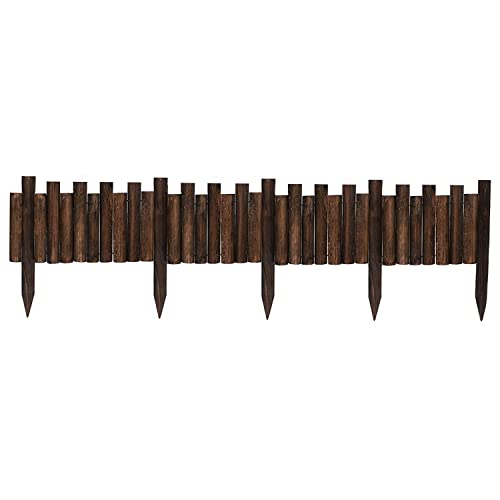
This 8-inch-high wooden edging fence is designed for decorative borders around garden beds, trees, and pathways. It features a carbonized finish for durability against outdoor elements and a flexible design that can curve around beds or follow irregular borders. The installation is no-dig: simply insert pointed stakes, and the edging can be reshaped as needed. Its compact height makes it ideal for defining small perimeters without overpowering landscape elements.
Landscape Edging 33FT Kit With Spikes

The long 33-foot plastic edging kit offers a tall 4-inch height and includes 50 anchoring spikes. Made from HDPE, it is flexible enough to bend for curves or straight lines and is designed for easy no-dig installation. This kit is well-suited for defining larger garden borders, tree surrounds, and pathways with a professional appearance, while being simple enough for DIY projects.
Gardzen 40-Foot Landscape Edging Kit

This 40-foot plastic edging set provides a no-dig solution with included spikes for quick setup. The 3-inch tall border delineates beds, tree rings, and pathways without imposing too much height. Crafted from weather-resistant plastic, it remains pliable enough to shape to your landscape design, offering a clean and professional result with minimal maintenance.
Pure Garden Steel Landscape Edging

This galvanized steel edging provides a durable, rot-proof border option for defining flower beds, tree rings, and lawn edges. The steel is flexible enough to shape around curves and is resistant to weather and moisture, maintaining a crisp, tidy line over time. It can be cut to size with basic tools, offering a versatile border solution for durable property borders.
Newflager Flexible Wooden Border

Newflager offers a flexible wooden landscape edging that can be shaped into curves and straights, connected by a metal wire for stability. Its wood construction brings a natural look to borders around trees and flower beds, while easy stake installation ensures a straightforward no-dig setup. This border option blends well with traditional yard aesthetics and garden features.
Buying Guide: Key Border And Tree Border Considerations
- Material and durability: Wood borders provide a natural look but may require maintenance; metal and plastic edging offer greater longevity with different aesthetics. Assess weather exposure and soil conditions when choosing.
- Installation method: No-dig options are faster and less disruptive, but some designs may require staking or cutting. Consider how often you might re-shape borders as plantings grow or change.
- Border height and visibility: Taller borders create stronger delineation and windbreak potential, while shorter borders offer a subtle transition and easier mowing edges. Align height with your landscaping goals.
- Flexibility and forms: Curved layouts can soften borders and follow natural bed lines. Flexible edging and bendable fences help achieve organic shapes around trees and path lines.
- Maintenance and aesthetics: Wood may weather over time; steel offers a modern look with low maintenance; plastic edging remains flexible and lightweight but may be less durable in heavy impact zones.
- Living borders vs. hard borders: Trees like Emerald Shield can serve as living borders, while edging kits define perimeters and keep mulch in place. A hybrid approach often yields the best results.
- Cost and scalability: Start with a scalable system (like long edging runs) if you plan to border multiple beds or property lines. Consider future garden plans to avoid rework.