For American gardeners seeking efficient, accessible, and deer-resistant options, a U-shaped raised bed with a fence can maximize space and protect valuable crops. This guide highlights five top choices that blend sturdy construction, smart drainage, and user-friendly design. Each product below features a unique approach—from deer-proof fencing to easy mid-access entry—so you can compare how well they fit your yard, patio, or balcony.
| Product | Brand | Size / Layout | Notable Feature |
|---|---|---|---|
| AMERLIFE U-Shaped Raised Garden Bed with Deer Proof Fence | AMERLIFE | 7.5Wx15Dx6H | Deer proof fence for animal protection |
| Greenes Fence Original Cedar Raised Garden Bed | Greenes Fence | 8′ x 8′ x 10.5″ | North American cedar, easy dovetail assembly |
| Greenes Fence Original Cedar Raised Garden Bed (CritterGuard) | Greenes Fence | 8′ x 8′ x 10.5″ | CritterGuard fence system included |
| Giantex U-Shaped Raised Garden Bed | Giantex | 92.5″ L x 95″ W x 11″ H | Five planting containers, flexible layout |
| A ANLEOLIFE U-Shaped Outdoor Galvanized Bed | A ANLEOLIFE | 6x6x1.5 ft | Center-access, bottomless drainage |
AMERLIFE Deer-Proof U-Shaped Bed

The AMERLIFE U-Shaped Raised Garden Bed combines a sizeable planting area with a built-in deer protection fence, giving gardeners a practical solution for outdoor spaces with wildlife activity. The 7.5-foot by 15-inch footprint with a 6-inch height creates ample soil depth for root development, while the deer-proof fence adds a focused layer of protection around the necessary crops. An open base design supports drainage and allows robust root growth, which helps prevent waterlogging and promotes healthier plant nutrition. A lockable door offers convenient access and a private micro-garden space.
Key considerations include assembly ease, stability, and the balance between fence height and accessibility. The unit’s wooden frame uses durable materials designed for outdoor use, and the open base design reduces soil compaction and improves aeration. This option is well-suited for vegetable beds and herbs that require secure protection without sacrificing drainage or root health.
Greenes Fence Original Pine Raised Bed
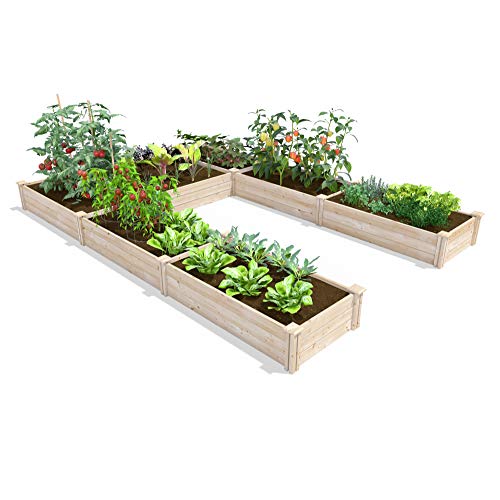
Greenes Fence Original Pine Raised Bed offers a classic, American-made construction approach using 3/4 inch thick boards that are sanded on one side. The pine is untreated and chemical-free, making it a safe choice for growing fruits, vegetables, and herbs. The design relies on dovetail joints and corner posts to create a sturdy, open-bottom frame that supports airflow and soil drainage while keeping pests out. Dimensions in this model are long and rectangular, maximizing planting area and allowing flexible placement against fences or walls.
Considerations for this bed include the importance of untreated wood that may weather over time, requiring periodic maintenance to preserve longevity. Its open-bottom architecture favors natural drainage, which is especially helpful in climates with heavy rainfall. The bed suits gardeners seeking a low-maintenance, USA-made cedar/pine alternative that emphasizes safe material choices for edible crops.
Greenes Fence Original Cedar Raised Bed (CritterGuard)
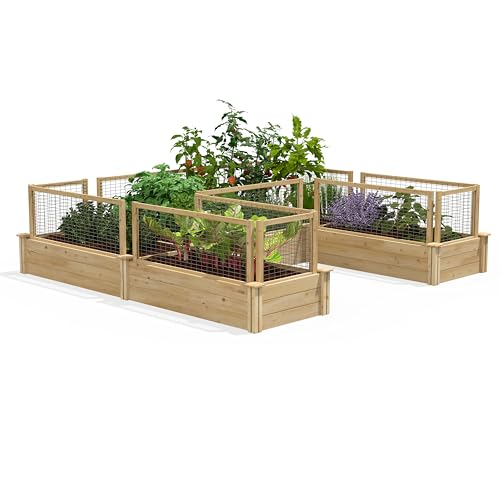
Greenes Fence Original Cedar Raised Bed with CritterGuard Fence System brings North American cedar together with a protective fence solution designed to deter wildlife. The cedar frame is known for its natural resistance to decay and its ability to withstand outdoor conditions without synthetic treatments. The system’s dovetail joints allow tool-free assembly, and the included posts provide a stable perimeter for the open-bottom bed. This setup is ideal for growers who prioritize natural materials and a straightforward assembly process.
When evaluating this option, gardeners should weigh cedar’s visual appeal and long-term durability against maintenance needs. Cedar may age gracefully and weather to a silver-gray patina, which some gardeners prefer for a rustic look. The CritterGuard feature adds an extra layer of protection for vegetables that are in high-risk wildlife zones.
Giantex U-Shaped Raised Garden Bed
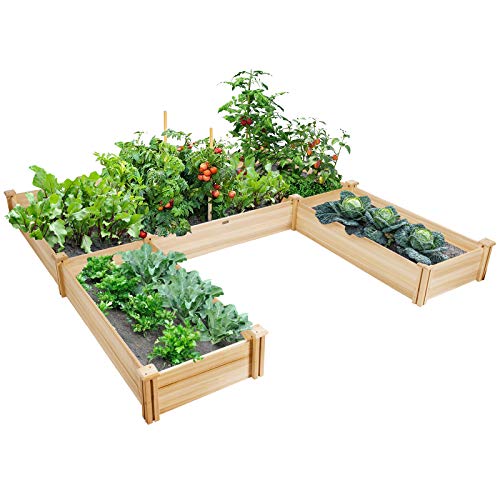
The Giantex U-Shaped Raised Garden Bed is designed for versatile use and easy assembly. With a 92.5″ length by 95″ width and an 11″ height, this bed provides substantial planting space. The design includes five planting containers, enabling gardeners to group crops by water needs or growth habits, which can improve overall garden management. The solid fir wood frame offers rigidity and durability while maintaining a natural aesthetic that blends with many outdoor environments. This unit supports a wide range of vegetables, herbs, and flowers, making it a flexible option for larger patios or yards.
Potential drawbacks to consider include the overall footprint, which may be large for smaller spaces. While the structure is sturdy, ongoing maintenance such as sealing or treating wood may be desirable to extend longevity in harsh weather. The modular approach also allows expansion or rearrangement to fit evolving gardening plans.
A ANLEOLIFE Center-Access U-Shaped Bed

The A ANLEOLIFE U-Shaped Outdoor Galvanized Raised Garden Bed uses heavy-duty galvanized steel panels designed for long-term outdoor use. Its center-access design allows gardeners to reach plants from the middle, reducing the need to bend and stretch—an important feature for those with mobility considerations. The 22-gauge corrugated metal ensures a sturdy frame capable of supporting substantial soil volumes. The bottomless design promotes natural drainage, helping to prevent water pooling and supporting healthier root systems. Reinforced bracing adds stability, making this bed well-suited for more ambitious plantings and heavier soils.
Considerations for this metal bed include thermal behavior—metal can heat up quickly in direct sun, which may affect soil temperature. While bottomless supports drainage, some gardeners may prefer adding a liner or insert for easier soil management. Overall, this model blends industrial durability with practical accessibility features for hands-on gardeners.
Buying Guide: Key Purchase Considerations And Comparisons
- Deer and wildlife protection: If your yard frequents by deer or other critters, prioritize models with built-in fencing or critter guards. Wood varieties with protective fencing can dramatically reduce crop losses in wildlife-prone areas.
- Material and finish: Cedar and pine offer natural resistance and a pleasant look, but pine is untreated and will weather. Cedar is durable and often sourced from the USA. Metal beds deliver longevity but may heat the soil in sunny climates; some buyers prefer metal with protective liners.
- Drainage and soil depth: Open-bottom or open-base designs improve drainage and root growth. Deep planting areas support larger crops, while multiple planting compartments help with crop rotation and nutrient distribution.
- Assembly and expansion: Dovetail joints and tool-free assembly speed up setup. Some systems are modular, allowing you to extend or reconfigure later as your garden grows.
- Size and space: Measure your available outdoor space. Large U-shaped beds suit patios and backyards, while smaller options fit balconies and compact spaces. Consider whether a center-access design improves reach for your height and mobility needs.
- Maintenance: Wood beds typically require occasional sealing or treatment to maximize lifespan, while galvanized steel offers low maintenance but can heat surrounding soil. Consider your climate and maintenance willingness when choosing.
- Soil and planting: Look for beds that provide ample soil volume. A larger planting area supports a wider range of vegetables and herbs, allowing effective crop grouping and nutrient management.
- Installation environment: Indoor-outdoor compatibility matters. Some wooden frames work well against fences or walls, while freestanding designs excel in open yards and decks.
In sum, the best choice depends on your priorities—wildlife protection, material preferences, and space constraints. The products listed here balance these needs with practical features like center-access entry, open-base drainage, and durable construction. When evaluating, consider how each design will integrate with your local climate, maintenance capacity, and the plants you plan to grow.