Home fruit growing in Zone 8 can yield delicious, dependable harvests with the right self-pollinating varieties. This guide highlights five self-pollinating fruit trees suited for Zone 8 climates, emphasizing peaches, figs, and a versatile pomegranate option. Each selection is described with growth needs, pollination notes, and care considerations to help you choose plants that maximize fruit production in warm winters and hot summers.
Summary Table
- Red Haven Dwarf Peach Tree — Self Pollinating — Zone 5–8 — 2 to 3 ft tall shipped
- Elberta Peach Tree — Self Pollinating — Zone 5–8 — 3 ft tall shipped
- Contender Peach Tree — Self-Pollinating — Zones 4–8 — 2 trees per order
- Chicago Hardy Fig — Self-Pollinating — Zones 5–10 — 1 gallon two-pack
- Parfianka Pomegranate Tree — Self-Pollinating — Zones 7–10 — 5–8 in bare root
These selections provide a mix of peaches, figs, and pomegranate advantages. They are chosen for their self-pollinating traits, zone tolerance, and practical sizes for home gardens, containers, or small orchards.
Red Haven Dwarf Peach Tree — Self Pollinating

Brand: DAS Farms
What you receive: A live fruit plant shipped at 2 to 3 feet tall. Fully grown plant pictures are shown in listings. California orders ship bare root per regulations. This peach tree thrives in zones 5–8 with full sun, making it well-suited for Zone 8 landscapes where heat tolerance and early fruiting are valued. It is self-pollinating, so a single tree can produce fruit without a second cultivar nearby.
Elberta Peach Tree — Self Pollinating
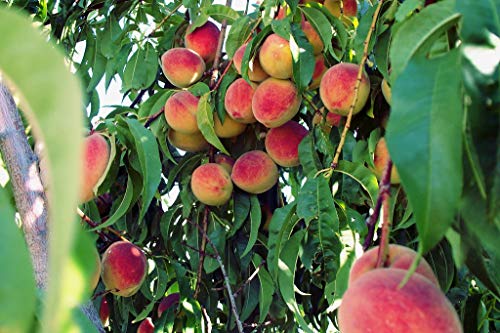
Brand: DAS Farms
What you receive: A live fruit plant shipped at 3 feet tall. Listing notes indicate fully grown plant imagery and winter leaf expectations for deciduous varieties. California shipments are bare root as required by state rules. The Elberta peach is self-pollinating and suited to zones 5–8 with full sun, supporting reliable fruit set in Zone 8 gardens with adequate sun exposure.
Contender Peach Tree — Self-Pollinating

Brand: Generic
What you receive: A 1 gallon nursery-pot tree 1–2 ft tall, with a note that California, Arizona, Alaska, and Hawaii cannot be shipped due to agricultural laws. This variety is USDA zones 4–8 and is self-pollinating, fitting Zone 8 gardens that may be in higher-risk frost or temperature variation areas. It offers a compact root zone and a more flexible growing window, though buyers should confirm local regulations before purchase.
Chicago Hardy Fig — Self-Pollinating
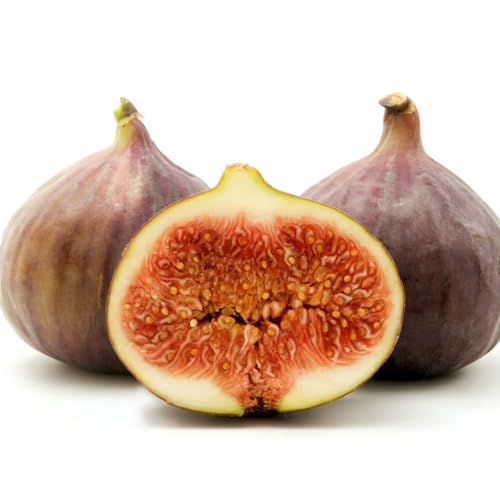
Brand: Generic
What you receive: A live Brown Turkey Fig starter plant, 5–9 inches tall, shipped in soil to maintain root hydration. Chicago Hardy Figs are cold-hardy in zones 5–10 and produce two crops annually in many climates, including Zone 8. This self-pollinating fig is adaptable to containers or in-ground planting, delivering reliable fruit with minimal maintenance when given full sun and well-drained soil.
Parfianka Pomegranate Tree — Self-Pollinating
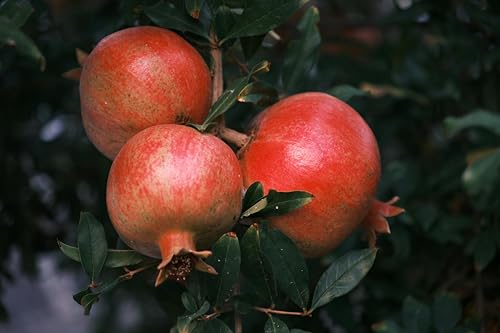
Brand: Generic
What you receive: A Parfianka Pomegranate starter tree, 5–8 inches tall, shipped bare root with a strong root system. Parfianka produces medium to large fruits with deep red arils and a balanced sweet-tart flavor. This variety is self-pollinating and suited to zones 7–10, making Zone 8 a favorable environment for container or ground planting. It offers edible fruit with a compact starting size that can develop into a striking landscape specimen as it matures.
Buying Guide
- Pollination and fruit set: Self-pollinating varieties reduce the need for multiple trees, which is ideal for smaller yards or containers common in Zone 8 homes.
- Climate compatibility: Zone 8 experiences hot summers and mild to cool winters; choose trees noted for heat tolerance and late-season resilience (peaches, figs, pomegranate).
- Planting location: Full sun exposure (at least 6–8 hours daily) supports fruit production; ensure well-drained soil to prevent root problems for peaches and olives.
- Container vs. in-ground: Dwarf or semi-dwarf types (such as Red Haven) suit containers on decks or patios. In-ground plantings of figs (Chicago Hardy) can grow substantially larger if space allows.
- Water and care: Regular watering during establishment, then consistent, deep watering; mulch to preserve soil moisture and regulate temperature fluctuations.
- Pest and disease management: Inspect for common fruit tree pests; practice integrated pest management (IPM) and ensure good airflow around trees to reduce fungal issues.
- Regulatory considerations: Some varieties have state shipping restrictions; verify availability and compliance for your area before purchasing.
- Harvest timing: Peaches typically ripen in mid to late summer, figs in late summer to fall, and pomegranates in fall, depending on climate and cultivar.
- Longevity and spacing: Peaches require spacing to support canopy growth; figs and pomegranates often tolerate tighter spacing but still benefit from room to mature.
- Maintenance expectations: Pruning is essential for peaches and figs to control size and maximize fruit quality; olives and pomegranates also benefit from pruning to maintain shape and fruit production.
When selecting fruit trees for Zone 8, consider how much space you have, whether you plan to grow in-ground or in containers, and the level of maintenance you’re prepared to perform. The five varieties above provide a balanced selection of self-pollinating peach trees, a cold-hardy fig, and a pomegranate option that can thrive in Zone 8 conditions with proper care.