Systemic fungicides offer targeted protection for grass and ornamentals by moving within the plant to combat a range of diseases. This article highlights five widely used options, explaining how they work, where they excel, and how to apply them safely on American lawns and landscapes. Below is a quick product snapshot to help compare options at a glance.
| Product | Brand | Active Ingredient (approx.) | Best For | Typical Use |
|---|---|---|---|---|
| Atticus Gravex 20EW Fungicide | Atticus | Myclobutanil (19.7%) | Brown patch, anthracnose, powdery mildew, red thread, rust | Granular-like systemic spray for turf and ornamentals |
| Infuse Systemic Disease Control | Bonide | Unknown specific (systemic) | Rust, blight, powdery mildew, scab, leaf spot | Ready-to-spray solution for turf and ornamentals |
| Liquid Systemic Fungicide II | Ferti-lome | Unknown specific (systemic) | Take All Patch, Brown Patch, Dollar Spot | Liquid concentrate to mix with water |
| Fungus Control For Lawns | BioAdvanced | Unknown specific (systemic) | Red thread, Brown Patch, Dollar Spot, Rust | Ready-to-spray for lawns |
| Infuse Lawn & Landscape Granules | Bonide | Unknown specific (systemic) | Dollar spot, rust, brown patch, powdery mildew | Granules for turf, roses, trees, shrubs |
Atticus Gravex 20EW Fungicide

Gravex 20 EW delivers 19.7% myclobutanil for broad-spectrum fungal control, with both curative and preventive activity. This systemic action helps plants push back invasions and halt future development, making it suitable for turfgrass while addressing other ornamentals. The label covers a wide range of fungi, including brown patch, anthracnose, rusts, red thread, powdery mildew, scab, and more. Applicators should follow label directions for mixing, rate, and safety precautions to ensure effective results and minimize risk to non-target organisms.
Bonide Infuse Systemic Disease Control
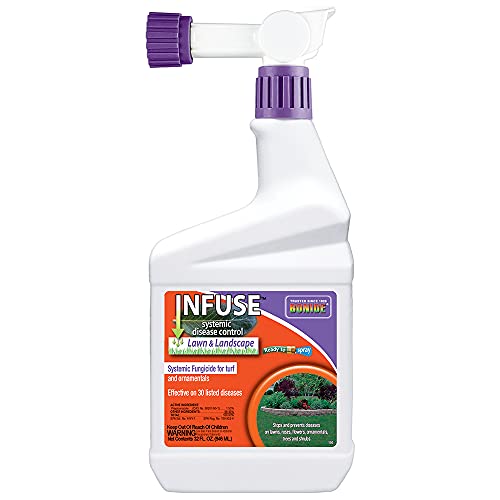
Infuse Systemic Disease Control is a ready-to-spray option designed to protect turf and ornamental plants. It provides broad-spectrum systemic disease control for roses, flowers, lawns, trees, and shrubs, helping to stop and prevent diseases such as rust, blight, powdery mildew, and scab among others. Its versatility makes it well-suited for mixed landscapes, where a single product can support both lawn health and ornamental resilience. Always read the label for disease lists and application intervals to optimize performance.
Fertilome Liquid Systemic Fungicide II
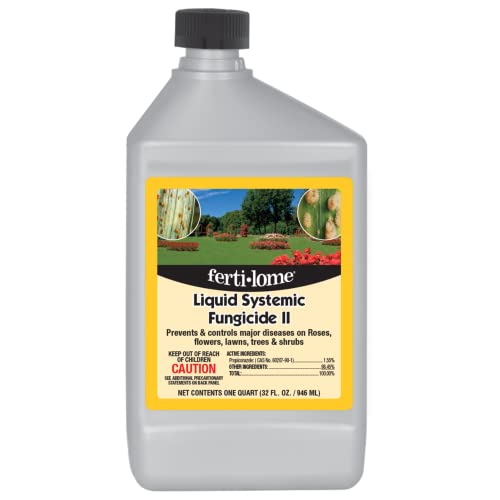
This liquid systemic fungicide provides protection against major fungal diseases on roses, flowers, lawns, and trees. It is designed as a concentrate that mixes readily with water, enabling flexible tank-mixing with other lawn care products when permitted by the label. Use guidance focuses on diseases like Take All Patch, Brown Patch, Dollar Spot, and Leaf Spot, with emphasis on consistent application and proper coverage to achieve curative and preventive control.
BioAdvanced Fungus Control For Lawns

BioAdvanced Fungus Control for Lawns is a ready-to-spray option that aims to cure and prevent listed lawn diseases, offering up to 30 days of protection. It targets a range of diseases including Red Thread, Brown Patch, Dollar Spot, and Rust. The product is designed for lawns and can be used to help maintain turf health, with a focus on ease of application and reliable disease suppression through systemic action. Always adhere to label rates and safety precautions to minimize impact on beneficial organisms and the environment.
Bonide Infuse Lawn & Landscape Granules

Infuse Lawn & Landscape Granules provide broad-spectrum disease control for turf and ornamentals, including dollar spot, rust, brown patch, and powdery mildew. The granular format can support larger areas and may offer extended residual activity, depending on weather and irrigation. It is suitable for both cool- and warm-season grasses, enhancing turf rooting and improving color in woody shrubs. Follow label directions for application rates, watering requirements, and safety measures to protect non-target plants and waterways.
Buying Guide: Key Purchase Considerations For Systemic Lawn Fungicides
- Active ingredient and spectrum: Review the active ingredient and the range of diseases listed on the label. Some products offer broad-spectrum control, while others target specific pathogens like brown patch, dollar spot, or powdery mildew. Consider local disease pressure when choosing.
- Systemic vs. contact action: Systemic fungicides move within the plant and can provide longer protection, but may require more careful timing and coverage. Contact fungicides remain on foliage and generally require thorough coverage and reapplication intervals.
- Crop and site compatibility: Ensure the product is labeled for use on your lawn grass type (cool-season vs. warm-season) and for ornamentals if you plan to treat landscape beds nearby. Some products are better suited for turf only, while others cover a broader landscape.
- Application method and compatibility: Check whether the product is ready-to-spray, liquid concentrate, or granular. Confirm compatibility with other lawn care products you regularly use and whether tank mixing is allowed by the label.
- Environmental and safety considerations: Review safety precautions, including PPE requirements, irrigation instructions after application, and any restrictions around rainfall or watering. Consider runoff and impact on beneficial organisms and pollinators.
- Re-entry and timing: Note any re-entry intervals and the optimal timing within the lawn care calendar (spring, summer, or fall) to maximize efficacy and minimize disruption to outdoor activities.
- Resistance management: Rotate products with different modes of action where possible to delay pathogen resistance. Follow label directions and avoid over-reliance on a single product.
- Environmental impact and sustainability: Prefer formulations with clear labeling about environmental safety, and consider integrated disease management that combines cultural practices with chemical controls for long-term lawn health.