Buying fruit trees online offers a convenient way to start a backyard orchard, with options ranging from self-pollinating peach trees to hardy apple varieties. This guide highlights five carefully chosen products that align with common home-garden goals: quick fruiting, reliable pollination, and clear growing requirements. Each selection includes key features, climate suitability, and practical considerations to help you compare options and choose the best fit for your yard.
| Product | Brand | Type |
|---|---|---|
| Mixrug 5+ Dwarf Peach Tree Seeds | Mixrug | Dwarf peach seeds for backyard orchard |
| Belle of Georgia Peach Tree | DAS Farms | Self-pollinating live peach tree |
| Red June Plum | DAS Farms | Self-pollinating live plum tree |
| Red Delicious Apple Tree | Generic | Deciduous apple tree |
| BioAdvanced Fruit & Citrus Tree Concentrate | BioAdvanced | Concentrated tree fertilizer |
Mixrug 5+ Dwarf Peach Tree Seeds

The Mixrug packet contains five or more dwarf peach tree seeds, selected for viability and suitability for starting a home orchard. Growth is described as fast relative to standard varieties, with fruiting anticipated within two to three years and a balance of sweetness and acidity in the fruit. These seeds are positioned for backyard growers seeking an early fruiting habit and a classic peaches flavor, ideal for fresh eating and preserves with freestone characteristics.
Belle of Georgia Peach Tree
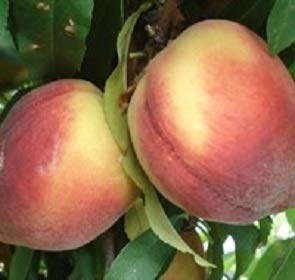
This live peach plant from DAS Farms is described as self-pollinating and shipped at a height of 2 to 3 feet. It is suited for permanent planting in the ground (not recommended for container transfer) and is typically grown in zones 5 through 8 with full sun. California shipments are bare root due to state regulations. The plant offers a reliable option for homeowners seeking a ready-to-grow peach tree with a manageable size for home landscapes.
Red June Plum

The Red June Plum from DAS Farms is a self-pollinating live plum tree shipped at 2 to 3 feet tall. It is designed to be planted directly upon arrival and is described as suitable for zones 5 through 9 with full sun. As with other fruiting trees, it’s important to follow included planting instructions, and note that deciduous plants may have no leaves during winter. California shipments may be bare root per regulations.
Red Delicious Apple Tree

The Red Delicious Apple Tree is described as a fast-growing deciduous variety shipped in a 1-gallon nursery pot or similar size. The tree is noted for its classic deep red apples, which are sweet and crisp with a mild flavor. Due to agricultural regulations, shipping to certain states (CA, AZ, AK, HI) may be restricted or canceled. The tree’s growth habit and fruit characteristics make it a common choice for home orchardists seeking reliable, fresh apples.
BioAdvanced Fruit & Citrus Tree Concentrate

This concentrate is designed to feed fruit and citrus trees, supporting early growth cycles from post-dormancy through budding. It provides a phosphorus-rich formulation in a user-friendly concentrate that minimizes wasteful runoff and is easy to apply at the base of the plant. The product is described as a practical option for homeowners seeking a concentrated fertilizer that helps trees establish healthy roots and robust fruit development.
Buying Guide: Key Purchase Considerations
- Tree type and pollination: Self-pollinating varieties reduce reliance on a second tree, but pairing compatible varieties can increase yield and reliability in some climates.
- Climate and hardiness zones: Check zone compatibility (e.g., zones 5–8 or 5–9) to ensure your selection will thrive in your local climate and winter temperatures.
- Planting method and container guidance: Some trees are best planted directly in the ground, while others can be potted or bare-root; follow the seller’s recommendations for best results.
- Care requirements: Consider sun exposure, irrigation needs, pruning, and fertilization, especially for fruit trees entering their first growing seasons.
- Delivery conditions: Pay attention to planting instructions included with shipments and any state-specific shipping restrictions that may affect your order.
- Fertilization and soil health: A targeted fertilizer or soil amendment can support early growth and fruiting, reducing nutrient deficiencies and promoting steady yields.
- Long-term maintenance: Assess whether the tree’s size, growth rate, and fruiting timeline align with your yard space and gardening plans.
- Root health and grafting: Some varieties are grafted; understand rootstock compatibility and how it impacts size control and disease resistance.
When selecting fruit trees online, compare growth expectations, fruiting timelines, and climate suitability. For best results, match a tree’s documented requirements with your local conditions, prepare a suitable planting site, and plan for ongoing care such as mulching, irrigation, and seasonal pruning.