Sagina subulata, commonly known as Scotch Moss, is a low-growing, moss-like groundcover prized for its fine texture and bright, evergreen foliage. This article highlights five popular Sagina subulata options, along with practical buying considerations to help readers choose the right cultivar or starter for sunny rock gardens, between stepping stones, or border edging. Each selection emphasizes easy maintenance, drought tolerance after establishment, and a carpet-like growth habit that stays compact in size.
| Product | Type | Growth | Hardiness | Key Benefit |
|---|---|---|---|---|
| Perennial Farm Marketplace Sagina subulata ‘Aurea’ (Scotch Moss) | Live Plant | 1-2” tall | USDA 5-8 | Fragrant chartreuse carpet with white flowers |
| Pixies Gardens Sagina Subulata ‘Aurea’ | Live Plant | 1-2” tall | Not specified | Vivid golden moss-like ground cover |
| 3 Irish Moss (Sagina subulata) | Ready-to-Plant | Live Starter Plants | 1-2” tall | USDA 4–8 | Dense carpet with star-shaped flowers |
| 2 Packs x 5,000 Irish Moss Seeds | Seeds | Depends on germination | Zones 4-10 | Economical bulk planting option |
| 3 Scottish Moss (Sagina subulata ‘Aurea’) | Live Starter Plants | 1-2” tall | USDA 4–8 | Golden foliage with fine texture |
Perennial Farm Marketplace Sagina Subulata Aurea Scotch Moss

Hardy in USDA zones 5-8, this evergreen groundcover forms a chartreuse moss-like carpet with 1-2 inch stature. White flowers appear in late spring, adding a delicate contrast to the foliage. It prefers bright shade or partial sun with consistent moisture and well-drained soil. It’s well suited for filling gaps between stepping stones or for rock garden edges. Evade seed spread by sheering after bloom to maintain a compact form. Note that shipping restrictions apply to several states.
Pixies Gardens Sagina Subulata Aurea Ground Cover
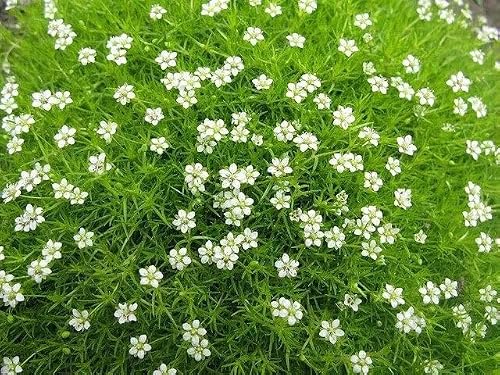
GOLDEN SCOTCH MOSS showcases vibrant chartreuse-green foliage forming a dense, moss-like carpet with delicate white flowers in late spring and summer. This ground cover is versatile for gaps between stepping stones, rock gardens, borders, or lawn alternatives. It’s drought-tolerant once established, remains compact at 1-2 inches, and spreads into a lush mat that requires minimal trimming.
3 Irish Moss (Sagina subulata) | Starter Plants

Includes three ready-to-plant Sagina subulata Irish Moss live starter plants in 2.5-inch nursery cubes. Plants are fully rooted and suited for rock gardens, walkways, or groundcover beds. Hardy for zones 4–8, it forms a dense carpet of evergreen foliage with small white flowers blooming late spring to early summer. The cultivar tolerates light foot traffic and fills spaces between stones effectively, requiring minimal pruning to maintain shape.
2 Packs x 5,000 Irish Moss Seeds
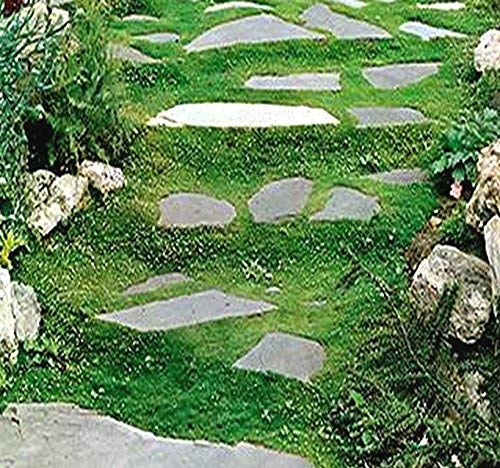
A bulk seed option for evergreen groundcover enthusiasts. Sagina subulata, also known as Heath Pearlwort or Irish Moss, thrives in dry, sandy, or gravelly soils. Seed-grown plants reach maturity after germination in a few months, forming a dense mat that can serve as a lawn substitute in suitable climates. Germination and establishment may take patience, but results yield a low-maintenance, weed-suppressing mulch-like cover.
3 Scottish Moss Aurea Starter Plants

Includes three Sagina subulata ‘Aurea’ starter plants in 2.5-inch cubes. Estimated growth to 1-2 inches tall and 8-12 inches wide. Thrives in full sun to partial shade and well-draining soil, offering bright chartreuse-yellow foliage and small white flowers from late spring through summer. This cultivar is prized for its soft texture and carpet-like spread, which suits pathways, containers, and rock gardens alike.
Irish Moss Ground Cover Starter Plant

Irish Moss marketed as a ground cover for fairy gardens. Sagina subulata is hardy in zones 3–9, with fine, moss-like foliage and small white flowers. Suitable for edges, rock gardens, and container plantings, it provides a delicate, evergreen cover that tolerates light foot traffic. This offering emphasizes ease of growth from a single live plant package for garden enthusiasts starting small.
Two Irish Moss Sagina Subulata Plants

Two Irish Moss Sagina Subulata in a 3.5-inch container offer a quick-start option for edging paths or filling gaps in paver layouts. This evergreen groundcover performs well in rock gardens and borders, with a compact habit and a moss-like appearance. Descriptions highlight its tolerance for dry, well-drained soils and its relatively slow but steady spread to create a cohesive mat over time.
Buying Guide for Sagina Subulata Scotch Moss
- Light and soil: Most Sagina subulata varieties prefer full sun to partial shade and well-drained soil. A soil mix that drains well with moderate moisture supports the moss-like texture and prevents root rot.
- Watering: Establishment requires regular moisture. After rooting, many varieties become relatively drought-tolerant but still benefit from consistent moisture in hot or dry climates.
- Growth habit and spacing: Expect low-growing mats that spread gradually. Plant spacing of 6–12 inches apart accelerates carpet formation without crowding.
- Foliage color: Varieties range from bright chartreuse to golden hues. Choose based on lighting and desired contrast with surrounding plants.
- Maintenance: Occasional pruning or shearing after bloom keeps a neat, uniform ground cover and helps prevent seed dispersal where undesired.
- Hardiness and zones: Check each cultivar’s hardiness rating to ensure suitability for your climate. Several options cover USDA zones 4–8 or 5–8, with broader tolerance in some seed mixes.
- Starting method: Live starter plants offer quicker ground cover, while seeds provide an economical bulk option. Starter plants generally establish faster, while seed options require patience but reduce upfront costs.
- Pet and traffic considerations: Many Sagina subulata varieties tolerate light foot traffic. For high-traffic areas, choose compact, dense cultivars and plan for occasional reseeding or replacement in worn spots.
- Landscaping use: Ideal between stepping stones, rock gardens, borders, and small lawn substitutions. Their fine texture makes them a natural partner for hardscape elements.