Iron deficiency is a common challenge for lawns, shrubs, and flowering plants, especially in alkaline soils. The right fertilizer with iron can quickly reverse yellowing (chlorosis), promote lush green foliage, and support overall plant health. The following selections are among the most popular iron-rich options on Amazon, offering various forms—granular, chelated liquid, and iron chelate—to suit different gardening routines. This guide highlights five strong choices to help American gardeners choose the best fit for their landscape.
| Product | Type | Form | Key Benefit |
|---|---|---|---|
| Espoma Organic Iron-Tone | Granular Fertilizer | Organic, 3-0-3 with 6% Iron | Corrects iron deficiency without staining |
| Grow More 3-0-1 Organic Iron Chelate Concentrate | Chelated Iron | Water-soluble concentrate | Fast-acting green-up, versatile for soil or foliage |
| TPS Plant Foods Chelated Iron | Liquid Iron Chelate | 8 oz | Fast correction of yellowing leaves |
| OULLYY Ferrous Sulfate Fertilizer | Granular Ferrous Sulfate | 20% Iron | Soil conditioning and pH adjustment benefits |
| LawnStar Liquid Iron | Liquid Chelated Iron | 32 oz | EDTA-free formula for quick color rebound |
Espoma Organic Iron-Tone 3-0-3
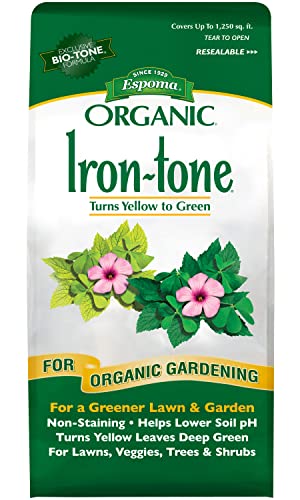
Espoma Iron-Tone is an organic granular fertilizer designed to correct iron chlorosis by delivering 6% iron in a 3-0-3 blend. It’s ready to use, requiring no mixing, and is formulated to avoid staining patios or walkways. The product combines organic ingredients with Bio-tone to support soil life, making it a practical choice for lawns, shrubs, trees, and flowering beds. Use this product at the first sign of yellowing to restore rich green color while feeding overall plant vigor. Its slow-release formula helps reduce the risk of nutrient burn while ensuring steady nourishment over time.
Grow More 3-0-1 Organic Iron Chelate Concentrate

Grow More’s iron chelate concentrate is a versatile, water-soluble solution featuring 10% chelated iron. It’s designed to quickly address iron deficiency, returning lush green color to leaves. The concentrate treats up to 2,000 square feet when properly diluted, making it cost-effective for larger lawns or mixed-use gardens. It can be applied via sprinkler systems or directly to the soil and foliage, which adds flexibility for container plants or field beds. This product is especially useful in alkaline soils where nutrient uptake is often hindered.
TPS Plant Foods Chelated Iron
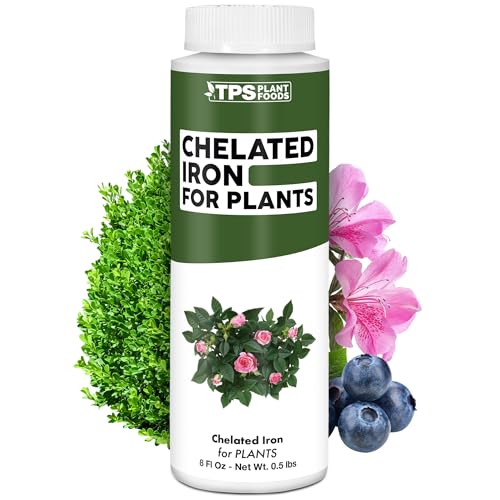
TPS NUTRIENTS offers an 8-ounce bottle of fast-acting chelated iron designed to correct iron chlorosis. The chelated form improves absorption, delivering quicker chlorophyll production and greener foliage. This liquid iron product is suitable for both indoor and outdoor plants, and it’s versatile enough to be applied to soil or foliage. The fast-acting nature makes it a popular choice for improving lawn and garden color during peak growing seasons or after transplanting when iron uptake may be stressed.
OULLYY Ferrous Sulfate Fertilizer

Ferrous sulfate is a straightforward iron source that also lowers soil pH in alkaline conditions, making nutrients more accessible for many plants. This product includes 20% iron and 12% sulfur, enhancing soil conditioning while supporting overall greening. Application involves diluting the powder in water and applying around plant roots on a periodic basis (roughly every 30 days). It’s well-suited for lawns, shrubs, trees, and garden beds where soil pH is a limiting factor for iron uptake.
LawnStar Liquid Iron

LawnStar’s liquid iron delivers a professional-grade, EDTA-free chelated iron in a convenient 32-ounce bottle. This sugar-based formula is designed for rapid uptake, even in soils with pH up to 9.5. It supports greener foliage by promoting chlorophyll production and strengthening root systems. It’s particularly effective for lawns, but it’s also applicable to flowers, shrubs, and trees that exhibit iron chlorosis or color distortion. The liquid format makes it easy to mix and apply via watering cans or irrigation systems.
Buying Guide
Key considerations help match the right iron fertilizer to your plants and soil conditions. The following perspectives cover common scenarios and trade-offs.
- Form and speed: Liquid iron chelates act quickly, making them ideal for urgent chlorosis, while granular iron tones and ferrous sulfate provide longer-lasting soil effects. For ongoing greens, a combination strategy can work well.
- Soil pH and accessibility: Alkaline soils limit iron availability; chelated iron generally performs better in a wider pH range. Ferrous sulfate can help adjust pH over time but may require careful dosing.
- Application method: Consider whether you prefer soil application, foliar sprays, or irrigation-system delivery. Some products are ready-to-use, while others require dilution or mixing.
- Environmental impact: Organic options like Espoma Iron-Tone emphasize soil biology and reduced environmental risk, while synthetic chelates focus on rapid results. Choose based on gardening philosophy and local regulations.
- Coverage and cost: Larger lawns benefit from concentrates or 32-ounce liquids that cover more area per application. Always follow label directions to prevent over-fertilization and potential plant stress.
- Plant type considerations: Lawns, shrubs, trees, and flowering perennials may respond differently to iron sources. For containers and potted plants, a liquid or chelated concentrate provides flexible dosing.
- Label compliance and safety: Use protective gear if handling concentrated chelates or ferrous sulfate. Store products away from children and pets and keep containers sealed after use.
In summary, a balanced approach to iron fertilization involves selecting an iron source that matches soil chemistry, plant needs, and your preferred application method. For quick color rebound in alkaline soils, chelated iron liquids or concentrates are often most effective. For broader soil health and lower staining risk, organic options like iron-topped granular blends offer steady nutrition. Consider testing your soil and monitoring plant response to tailor ongoing iron supplementation.