Waist-high raised beds offer ergonomic access for long planting sessions, reducing bending and back strain. This guide highlights five top options that balance durability, ease of assembly, and soil performance. Each picks features a sturdy frame, protective liners, and elevated height designed for comfortable gardening. Use the buying guide below to compare materials, height, and maintenance needs to suit your outdoor space.
| Product | Dimensions | Material | Height |
|---|---|---|---|
| ZSYWODFO 34x18x30in Natural | 34″ x 18″ x 30″ | Fir Wood | 30″ |
| Yaheetech 34x18x30in | 34″ x 18″ x 30″ | Fir Wood | 29.5″ |
| ketive Raised Garden Bed with Legs | 80″ x 23″ x 30″ | Fir Wood | 30″ |
| ZSYWODFO 48x24x30in | 48″ x 24″ x 30″ | Fir Wood | 30″ |
| MIXC Wooden Raised Garden Bed with Legs | 48″ x 24″ x 31″ | Untreated Fir Wood / Pine | 31″ |
ZSYWODFO Natural 34x18x30in Raised Bed

This elevated planter is built from natural fir wood, designed to withstand weather and provide a safe crop growth space. Its 2.65 cubic feet planting area supports a variety of vegetables, herbs, and flowers. A included liner promotes aeration, moisture retention, and weed suppression, enhancing soil conditions while keeping wood surfaces protected.
ZSYWODFO 34x18x30in Raised Bed With Legs – Gray

Similar to the natural variant, this gray-finished unit provides a raised planting space with legs for stable, elevated gardening. The included bed liner supports drainage and weed suppression, helping maintain soil health and crop vitality across seasons.
Yaheetech 34x18x30in Raised Garden Bed

Crafted from solid fir wood, this elevated bed emphasizes stability and a smooth surface with no burrs. Standing at 29.5 inches, it reduces bending and strain during extended gardening; the setup includes all hardware and clear assembly instructions, facilitating a straightforward build for backyard, patio, or balcony use.
ZSYWODFO 48x24x30in Raised Bed – Natural

This larger elevated bed features a six-cubic-foot planting space, maximizing room for vegetables, flowers, and herbs. The natural fir wood construction provides weather resistance, and a protective liner improves aeration, moisture retention, and weed suppression, promoting robust plant growth over time.
MIXC 48” Wooden Raised Garden Bed With Legs
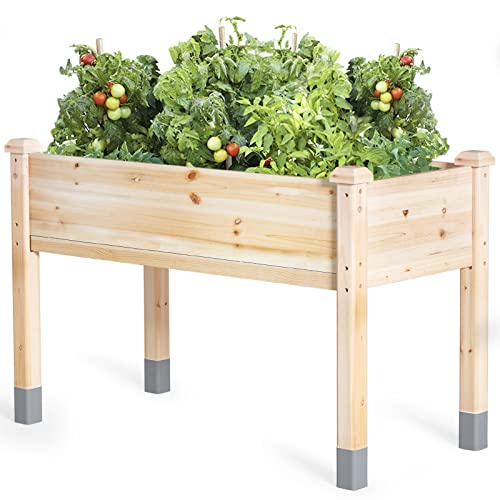
With a beam-and-column design, this MIXC model emphasizes strength and longevity. It uses untreated fir wood and a heavy-duty support framework to resist warping, supported by a waterproof-painted table leg finish. The product includes a liner and drainage provisions, along with a durable build intended for multi-season outdoor use, even in challenging weather.
Buying Guide: Key Purchase Considerations And Comparisons
Height, material, and design influence both ease of use and plant performance in waist-high raised beds. The following perspectives help compare options:
- Height and accessibility: A bed around 29–31 inches tall typically minimizes bending and kneeling, promoting comfortable long-term gardening. Consider users’ height and whether the bed must be usable from a seated position.
- Material durability: Fir wood is common for raised beds due to natural resistance to outdoor conditions, especially when combined with protective liners. Look for treated or naturally weather-resistant wood, and verify if the finish or liner is included or optional.
- Structural stability: Beds with reinforced legs or metal brackets (like W-shaped brackets) tend to resist wobble and cracking, especially on uneven ground. Verify bracket design and installation requirements.
- Liner and soil management: A liner helps with aeration, moisture retention, weed suppression, and soil retention. Check liner dimensions and material compatibility with your soil mix.
- Assembly and maintenance: Ease of assembly, included hardware, and clear instructions save time and ensure stable setup. Consider whether you need additional tools or extra hands for assembly.
- Size and planting space: Larger beds (e.g., 48″ x 24″) provide more planting area but require more soil and water. Smaller widths are easier to reach from a standing position, especially in limited spaces.
- Weight capacity and drainage: Some models advertise higher weight capacity; ensure it aligns with soil, mulch, compost, and mature plant loads. Adequate drainage prevents waterlogging and root rot.
- Maintenance and longevity: Outdoor wooden beds may require periodic sealing or treatment to maintain appearance and durability. Plan for seasonal checks and liner replacements if needed.
- Versatility: Some raised beds include shelves or leg storage surfaces, offering extra utility for tools and pots. Evaluate additional features against space constraints.
When selecting waist-high raised beds, align the choice with gardening goals—whether you focus on vegetables, herbs, or ornamental plantings—and the constraints of your outdoor area, including sunlight, wind exposure, and water access. These five options provide a spectrum of heights, materials, and designs to accommodate different preferences while maintaining ergonomic access for comfortable, productive gardening.