Explore top evergreen species ideal for creating privacy, architectural interest, and year‑round beauty in American landscapes. This guide highlights five adaptable options, along with practical buying tips and landscape considerations to help you choose the right evergreens for your space.
| Product | Brand | Notes |
|---|---|---|
| Italian Cypress | 3 Live Trees | Florida Foliage | Narrow, vertical interest; good for tight spaces and formal lines |
| Thuja Green Giant 3 Gallon | PERFECT PLANTS | Fast-growing privacy screen; adaptable for various landscapes |
| KVITER 50 Thuja Tree Seeds | KVITER | Seed option for scalable privacy from seedlings |
| Longleaf Pine Tree | Florida Foliage | Native habitat, drought tolerance, wildlife value |
| 3 Giant Sequoia Trees in 2.5” Cubes | CitronellaKing | Massive focal specimen for large landscapes |
Italian Cypress for Narrow Vertical Accent

The Italian Cypress, Cupressus sempervirens, is a tall, narrow evergreen suited for formal lines along driveways, fences, or property margins. Its upright habit creates a striking vertical accent, enhancing architectural spaces while maintaining year-round greenery. The plant’s dense foliage contributes to privacy and a clean, elegant silhouette in contemporary or traditional landscapes. This cultivar is commonly used in long, uniform screens that emphasize distance and structure.
Thuja Green Giant: Fast Privacy Shield

The Perfect Plants Thuja Green Giant grows rapidly, offering a robust evergreen screen ideal for privacy, windbreaks, or evergreen hedges. It tolerates a range of soil types and urban conditions, maturing into a tall, dense privacy layer. Note that shipping restrictions may apply to certain states; plan accordingly. This cultivar serves well as a solitary focal plant or as part of a dense landscape frame, delivering consistent color and form through the seasons.
KVITER: Thuja Tree Seeds for Privacy Gardeners

These KVITER Thuja seeds offer a path to establishing evergreen privacy from the ground up. With fast germination in suitable conditions and adaptability to clay or loam soils, they are a practical choice for gardeners who prefer to nurture seedlings. The seeds are described as thriving in full sun or partial shade and are well-suited for creating living screens in backyards or edging along pathways. Proper planting depth and consistent moisture support successful germination and growth.
Longleaf Pine: Native Beauty With Drought Tolerance
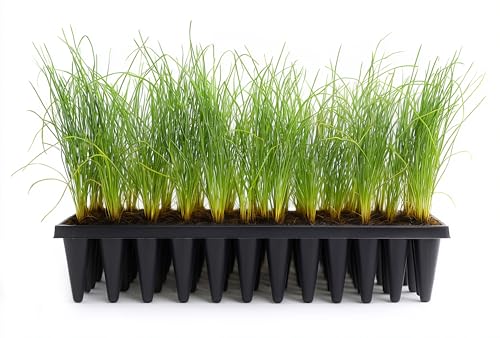
The Longleaf Pine, Pinus palustris, brings native landscape value, wildlife support, and drought tolerance. Its long needles and stately silhouette add a classic touch to coastal or upland properties. This species tolerates sandy, well-drained soils and provides habitat opportunities for birds and other wildlife. It can form a strong architectural element in larger landscapes, where scale and a sense of permanence matter.
Giant Sequoias: Monumental Focal Points

Three Giant Sequoia live starter saplings offer a commanding presence for expansive properties. Known for their massive growth potential and evergreen foliage, these conifers can serve as dramatic focal points or windbreaks as they mature. They require ample space, full sun, and well-draining soil. Given their long-term size, plan for a landscape that accommodates eventual height and spread, along with ongoing maintenance needs to manage growth and health.
Buying Guide: Key Purchase Considerations
- Climate suitability: Verify USDA zones and local climate compatibility. Some species tolerate heat and drought better, while others prefer cooler or coastal conditions.
- Site conditions: Assess sun exposure, soil type, drainage, and space. Narrow trees are ideal for perimeters and lanes; broad, tall species suit open spaces and windbreaks.
- Growth rate and mature size: Fast-growing options offer quicker privacy but may require more maintenance, while slow-growing specimens provide long-term architectural value with less pruning.
- Water and maintenance needs: Consider irrigation requirements, soil amendments, and pruning practices. Native and drought-tolerant species often reduce maintenance over time.
- Root systems and impact on structures: Be mindful of root depth and spread near foundations, sidewalks, and underground utilities. Choose appropriately spaced planting locations.
- Mulch and soil health: Use organic mulch to conserve moisture and improve soil structure. Soil testing can guide amendments for optimal growth.
- Environmental benefits: Many evergreens provide year-round screening, wildlife habitat, and visual appeal, contributing to landscape resilience and biodiversity.
- Regulatory considerations: Some regions have restrictions on certain species or seed propagation. Check local ordinances or HOA guidelines before planting.