Dragon tongue plants, with their bold, glossy leaves and dramatic textures, make striking accents in terrariums, fairy gardens, and indoor décor. This guide highlights five top Amazon options that fit the dragon tongue theme, from true Hemigraphis varieties to related succulents and tongue-leaved houseplants. Each listing includes essential care hints and display ideas to help you choose the best fit for bright indirect light, moisture balance, and visual impact.
Summary of Selected Products
| Product | Brand | Type | Light/Water Notes |
|---|---|---|---|
| Dragon’s Tongue Plant – Hemigraphis | Hirt’s Gardens | Hemigraphis, terrarium/houseplant | Bright indirect light; evenly moist |
| Dragon Tongue Plant – 4 Live Starter Plants | Wekiva Foliage | Hemigraphis Repanda | Moderate indirect light; consistent moisture |
| Sedum Dragon’s Blood Ghost Plant | Spurium Coccineum | Succulent groundcover | Bright light; well-drained soil |
| Live Snake Plant, Sansevieria Zeylanica | Plants for Pets | Snake Plant | Low to bright indirect light; tolerant of drought |
| Starlite Snake Plant, Sanseveria | JM BAMBOO | Snake Plant | Low to bright light; infrequent watering |
Dragon’s Tongue Plant – Hemigraphis

The Dragon Tongue plant features glossy maroon-purple, thin leaves, making it a striking choice for terrariums, fairy gardens, or as a focal indoor plant. It prefers very bright, indirect light and should be kept evenly moist, but not wet or bone-dry. This Hemigraphis cultivar is known for its refined texture and compact growth, suitable for accent placements or small containers where its color can be appreciated up close.
Care notes: provide bright, indirect light to preserve color; water evenly to avoid leaf wilting; avoid overwatering that can lead to root issues. Ideal display options include terrariums, hanging planters, or shelves with soft, shaded sun to maintain the deep leaf tones.
Dragon Tongue Plant – 4 Live Starter Plants

This collection features Dragon Tongue Hemigraphis Repanda, a plant defined by slender, textured leaves that curl and ripple along their length. The deep green to smoky purple tones, with a muted sheen, create a dramatic presence in modern interiors. Its compact mound form and low, arching habit enable it to serve as an accent plant with a refined, flowing silhouette. It enjoys moderate indirect light and benefits from a consistent light source, protected from harsh midday exposure to maintain leaf color.
Watering should be even and consistent to prevent wilting; allow the top layer of soil to dry slightly between waterings. Regularly monitor for signs of overwatering and adjust moisture accordingly to sustain the plant’s lush density and wavy leaf structure.
Snake Plant, Mother-In-Law’s Tongue
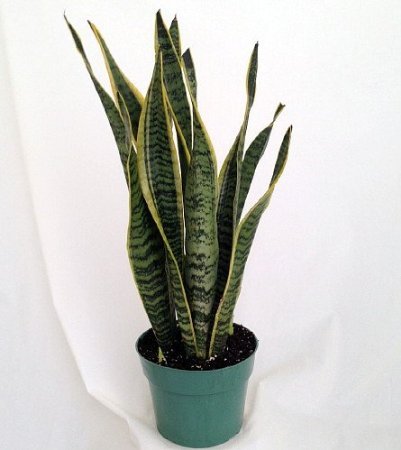
This sturdy, highly adaptable plant is a staple for beginners and seasoned plant lovers alike. Commonly called Snake Plant or Mother-in-Law’s Tongue, it tolerates a wide range of light conditions and is notoriously drought-tolerant. Its upright, sword-like leaves contribute a strong architectural element to any room, with easy-care requirements that fit busy lifestyles or variable indoor environments.
Care tips: allow soil to dry between waterings, avoid overwatering, and place in a location with indirect light or brighter settings for optimal vigor. The plant’s longevity makes it ideal for desks, shelves, or entryways where low-maintenance appeal is valued.
Futura Snake Plant – Mother-In-Law’s Tongue

Also known as a robust Snake Plant, the Futura variety emphasizes the classic Mother-in-Law’s Tongue with strong, upright leaves and deep green coloration. Its extremely hardy nature makes it a reliable choice for offices, living rooms, or kitchens. It thrives with minimal care and can tolerate periods of lower light, though brighter indirect light supports richer color and faster growth.
Watering should be moderate and infrequent, allowing the soil to dry between sessions. Avoid waterlogging, which can lead to root issues. This plant integrates well with other succulents or foliage for a layered indoor garden aesthetic.
Live Snake Plant, Sansevieria Zeylanica

The Sansevieria Zeylanica, or Mother-in-Law’s Tongue, is a stemless evergreen with elongated, sword-shaped leaves that bring architectural form to indoor spaces. Known for its hardiness, it can live for years with proper care and tolerates a wide light range. The rippled green patterns on the leaves add visual interest, forming a striking contrast in minimalist or modern plant displays.
Care guidance: water sparingly, allow drying between waterings, and provide bright indirect light to maintain color, though low light is also tolerated. This plant is an excellent choice for bedrooms, living rooms, or offices where low maintenance is desired.
Starlite Snake Plant – Mother-in-Law’s Tongue

Starlite Snake Plant is prized for its resilience and ease of care. It’s an excellent option for spaces with variable light, requiring minimal watering and tolerating dry air. Its compact 4-inch pot size is ideal for small desks, shelves, or mixed plant displays that emphasize clean lines and bold foliage textures.
Light levels: adapts from low to bright indirect light; water when the soil is dry to the touch. Regular light feeding is optional but not required for steady growth.
Buying Guide: Dragon Tongue And Tongue-Leaf Succulents
These purchase considerations help you compare options for care requirements, display goals, and long-term vitality:
- Light requirements: Dragon tongue Hemigraphis generally prefers bright indirect light to maintain coloration, while many snake plants tolerate low light but perform best with brighter indirect light.
- Watering needs: Hemigraphis and terrarium-focused plants often require consistent moisture without saturation, whereas snake plants are drought-tolerant and prone to root rot if overwatered.
- Soil and drainage: Choose well-draining pots with light, airy soils for succulents; ensure terrarium-friendly substrates for Hemigraphis if kept in enclosed displays.
- Growth habit and size: Hemigraphis varieties are compact and spreading, ideal for foreground accents or terrarium bottoms; snake plants stay upright and can fill vertical space over time.
- Display considerations: Pair dragon tongue foliage with lighter textures to emphasize color depth; use trailing or compact accents to create layered visual interest.
- Maintenance and longevity: Hemigraphis may require more consistent care to prevent leaf drop; snake plants are long-lived with minimal maintenance, suitable for beginners.
Care comparisons at a glance:
- Hemigraphis Dragon Tongue: color-rich foliage, moisture-sensitive; best in controlled moisture environments.
- Sedum Dragon’s Blood: sun-loving succulent groundcover; needs bright light and sparse watering.
- Snake Plants (Sansevieria): ultra-hardy, drought-tolerant, forgiving of varying light; ideal for beginners.
Consider your space, light exposure, and watering routine when selecting among dragon tongue and tongue-leaved plants. For bright rooms with consistent care, Hemigraphis varieties offer dramatic color. For low-maintenance spaces, snakes plants provide enduring structure with minimal effort.