Native grasses add texture, color, and wildlife value while requiring less water and maintenance. This guide highlights five native-friendly options ideal for erosion control, prairie-style borders, and wildlife habitat. Each product below focuses on resilience, adaptability, and performance in varied American landscapes—from drought-prone areas to rich, loamy soils. Explore concise sections with key features, plus a practical buying guide to help you choose the right blend for your property.
Summary Table Of Chosen Products
| Product | Brand | Size | Key Use |
|---|---|---|---|
| Switchgrass Seed, 1 lb | Outsidepride | 1 lb | Erosion control, wildlife forage, poor soil tolerance |
| Indian Native Grass Seed, 1 lb | Outsidepride | 1 lb | Ornamental borders, drought tolerance, wildlife habitat |
| Switchgrass Seed, 5 lbs | Outsidepride | 5 lbs | Rapid cover, soil stabilization, vast coverage |
| Switchgrass Seed, 10 lbs | Outsidepride | 10 lbs | Extensive erosion control, wildlife forage, large plots |
| Indian Native Grass Seed, 5 lbs | Outsidepride | 5 lbs | Seasonal color, tall borders, drought tolerance |
Switchgrass Seed — 1 Lb

Outsidepride’s Switchgrass Seed (Panicum virgatum) offers resilience across diverse environments. This perennial grass supports erosion control, livestock and deer food plots, and natural landscaping. It adapts to a range of soils and thrives in full sun, delivering fast-growing coverage with low maintenance requirements. Its deep root system stabilizes soils on slopes and along riverbanks, making it a strong choice for habitat creation and soil conservation.
Features emphasize drought and flood tolerance, enabling growth even in poor soils. Users seeking quick establishment will appreciate its rapid growth and resilience, especially where sunlight is abundant and moisture can fluctuate. This seed is well-suited for erosion control projects, wildlife habitat enhancement, and grass cover solutions in challenging landscapes.
Indian Native Grass Seed — 1 Lb
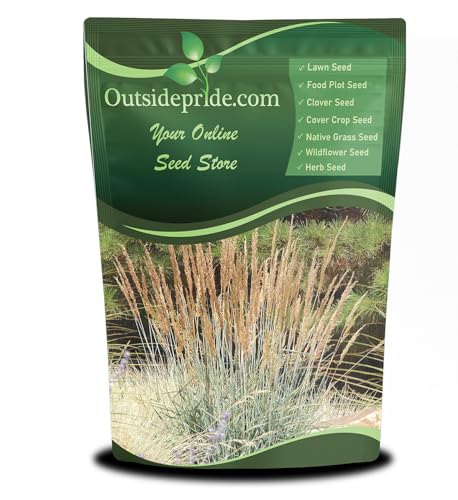
This Indian Grass seed delivers a hardy, perennial prairie grass with seasonal color. It grows green through summer and shifts to a striking yellow-bronze in fall, preserving color into winter. Its tall growth—from 3 to 5 feet in typical conditions, potentially taller in optimal soils—creates dramatic borders and adds visual depth to prairie-inspired landscapes. The plant is highly adaptable to diverse soils and light conditions, making it a versatile option for shade or sun, drought-tolerant applications, and challenging planting sites.
With a focus on ornamental value and habitat potential, this native grass supports wildlife while contributing to year-round landscape interest. It performs well in borders, xeriscapes, and pollinator-friendly plantings, providing durable structure and wall-to-wall color across seasons.
Switchgrass Seed — 5 Lbs
This 5-lb bag of Switchgrass Seed from Outsidepride expands planting options for larger landscapes and restoration projects. It carries the same resilience traits as the 1-lb version—adaptable to different soils, drought and flood tolerance, and rapid establishment. The deep-rooted grass provides robust erosion control, stabilizing slopes and riverbanks while offering dense cover for wildlife habitats and forage plots. It is an economical solution for substantial areas needing fast, sustainable grass cover.
Ideal for property owners seeking significant coverage, this size boosts erosion control capabilities in larger plots or extended restoration sites, with minimal maintenance once established. The seed’s performance in poor soils and hot, sunny conditions makes it a dependable option for varied American climates.
Switchgrass Seed — 10 Lbs
Offering the most extensive coverage, this 10-lb Switchgrass Seed bag is designed for large-scale erosion control, wildlife forage, and extensive food plots. Like its smaller counterparts, it excels in drought and flood-prone environments and thrives in poor soils with full sun. The deep roots contribute to soil stabilization on slopes and along waterways, while the dense growth supports cover for wildlife and reduces soil erosion in larger landscapes. This option is ideal for landscapers, land managers, and large property owners aiming to establish durable, low-maintenance grass stands.
As with all Switchgrass offerings, expect robust establishment, resilient performance, and long-term habitat and soil stabilization benefits. It remains a practical, low-maintenance choice for sustainable land management in diverse American regions.
Indian Native Grass Seed — 5 Lbs
This 5-pound bag of Indian Native Grass Seed broadens landscape capabilities for sizeable borders, ornamental planting, and drought-tolerant design. Its tall growth (3–5 feet in typical environments, potentially taller in optimal soils) builds dramatic vertical accents while maintaining ornamental appeal through seasonal color shifts. The grass demonstrates strong adaptability across soil types and light conditions, from sandy to clay soils and from full sun to partial shade. It is well-suited for xeriscaping, wildlife habitat, and erosion-control projects that require substantial visual presence and resilience.
Beyond aesthetics, this native grass seed supports biodiversity and sustainable water use, aligning with low-water landscaping goals. Its robust stature and adaptability make it a versatile element in gardens, prairies, and large-scale restoration schemes.
Buying Guide: Key Purchase Considerations And Comparisons
When selecting native or low-growing grasses, consider climate, soil, sunlight, and intended function. Here are practical factors to compare across options:
- Climate compatibility: Drought tolerance and flood resilience are common with switchgrass, making it suitable for arid to semi-arid regions and flood-prone areas. Indian grasses tend to handle varied moisture with seasonal color changes, which can enhance year-round interest.
- Soil adaptability: Many of these seeds tolerate a wide range of soils, from sandy to clay, and from acidic to alkaline. If you have poor soils, look for species with deep root systems that aid erosion control and soil stabilization.
- Size and space: Switchgrass varieties vary in ultimate height—from 3 to 7 feet depending on site conditions—so plan borders, screens, or wildlife plots accordingly. For compact spaces, prioritize lower-growing natives or ornamental grasses with shorter mature heights.
- Maintenance needs: Native grasses typically require minimal maintenance beyond initial watering and occasional establishment care. Choose varieties that align with your time horizon for lawn repair, habitat creation, or aesthetic goals.
- Wildlife and habitat value: Switchgrass is known for wildlife habitat benefits and erosion control, while Indian grasses offer ornamental appeal and seasonal color. Your choice can emphasize forage, cover, or visual interest depending on goals.
- Establishment and seed availability: Larger seed lots (5–10 lbs) cover more area and can be cost-efficient for restoration or large borders. Smaller bags are ideal for small-scale projects or testing new species in a landscape.
- Invasiveness and local regulations: While these are native to North America, confirm local guidelines and ensure plantings align with regional biodiversity goals and environmental considerations.
For best results, prepare the planting area by loosening compacted soil, removing competing weeds, and ensuring adequate moisture during germination. Follow your product’s specific sowing rates and maintenance instructions to maximize germination and growth. Consider combining multiple species to achieve year-round color, habitat value, and resilient coverage across seasons and weather patterns.