Discover blue-hued bulbs that brighten borders, containers, and indoor displays as soon as spring arrives. This guide highlights five easy-to-grow options, with a focus on reliability, color intensity, and versatility for American gardens. Each selection is described with care considerations to help you compare planting needs, bloom times, and overall impact.
| Product | Type | Color Range | Key Benefit |
|---|---|---|---|
| Blue Moon Mix Crocus 20 Bulbs | Crocus | Blue/Purple | Vibrant early color; reliable perennial return |
| Votaniki Anemone Blue Poppy | Anemone | Blue | Long-lasting bloom with versatile use |
| Indoor Pre-Chilled Blue Allium Bulbs | Allium | Blue | Indoor forcing option; dramatic structure |
| Blue Muscari Bulbs | Muscari (Grape Hyacinth) | Blue | Dense clusters; easy perennial color |
| Pre-Chilled Indoor Striped Squill Bulbs | Puschkinia | Blue with White Stripes | Delicate spring display; ideal for containers and indoors |
Note: Each product offers distinct growth habits—from mass-planting bed anchors to container-friendly options. Consider your climate, sun exposure, and whether you prefer early forcing indoors or outdoor naturalizing for seasons of blue blooms.
Blue Moon Mix Crocus 20 Bulbs
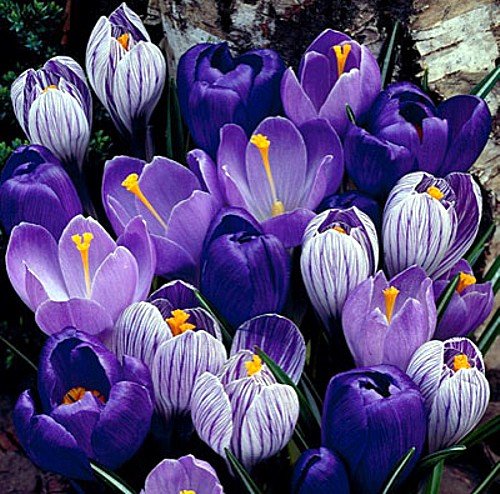
Blue Moon Mix Crocus blends blue and purple blooms to create a striking early-season display. This hardier, low-maintenance assortment is well suited for beginner and experienced gardeners alike, making it a versatile choice for borders, rock gardens, and containers. The mix contributes vertical accents as the crocus shoot above the soil in early spring, often peaking alongside dwarf perennials. With proper care, these bulbs return year after year, offering reliable spring color with minimal effort.
Growing tips: Plant crocus bulbs in well-drained soil in full sun to partial shade. Space bulbs about 3 inches apart and plant at a depth of 3–4 inches. Water after planting and maintain consistent moisture as roots establish. In milder regions, crocus naturalize and form enduring clumps that reappear each spring.
Votaniki Anemone Blue Poppy

The Anemone Blue Poppy variety delivers long-lasting blue blooms that add elegance to borders or mixed beds. This hardy perennial is noted for its resilience and year-to-year flowering, making it a dependable option for gardeners seeking extended visual impact. Easy to grow for novices, these bulbs thrive with proper conditioning and the right growing environment. They also adapt well to container plantings, borders, or accenting pathways for a cool-toned focal point.
Care considerations: Plant in well-drained soil with full sun to light shade. Anemone coronaria bulbs prefer cool roots and a bit of summer dryness. Mulching helps protect crowns in hotter climates, and providing a steady moisture pattern during establishment supports robust flowering in subsequent seasons.
Indoor Pre-Chilled Blue Allium Bulbs

Pre-chilled indoor allium bulbs offer an easy indoor forcing option that yields dramatic blue blooms early in spring. These bulbs are ready to grow in a bowl or pot with soil, providing rapid, striking vertical interest in any indoor setting or outdoor garden where early color is desired. They are ideal for mass planting or container displays, delivering bold architectural blooms that stand tall among foliage.
Growing tips: Use a well-draining potting mix and provide bright light. Water moderately to keep soil evenly moist but not soggy. Forcing indoors typically requires pre-chilling prior to potting, aligning with the bulb’s natural dormancy cycle. Outdoors, plant in full sun to partial shade with similar drainage needs.
Blue Muscari Bulbs

Muscari, commonly known as grape hyacinths, produce dense clusters of deep blue, grape-like blooms and are among the most reliable blue spring bulbs. As a perennial, they return year after year, strengthening in naturalized beds and adding consistent color to borders, rock gardens, containers, or indoor arrangements. Their fragrance and compact height make them a preferred choice for small-space gardens and underplanting with taller perennials.
Growing tips: Plant muscari bulbs in sun to light shade with well-drained soil in the fall. Space about 2–3 inches apart and plant at a depth of 3 times the bulb height. Water after planting and keep soil moist during establishment. In zones 3–9, they naturalize well, expanding the display over time.
Pre-Chilled Indoor Striped Squill Bulbs

These Puschkinia scilloides bulbs bloom with pale blue flowers featuring distinctive white stripes, creating a fresh spring display. They are well-suited for indoor forcing as well as outdoor plantings in pots or garden beds. The delicate blooms provide a light, airy feel to the landscape and pair beautifully with other early bloomers for layered color.
Care considerations: Plant in well-drained soil with full sun to partial shade. Bulbs should be planted at a depth of about 2–3 inches, with spacing similar to other small spring bulbs. They require minimal care beyond regular moisture as roots establish, and they often naturalize in favorable climates.
Buying Guide: Key Purchase Considerations For Blue Spring Bulbs
- Climate suitability: Check your USDA hardiness zone and select bulbs known to perform in your winter-spring temperature range. Some varieties naturalize better in warmer or cooler regions.
- Bloom timing: If you want a prolonged blue display, mix early bloomers (cro cus, squill) with mid-season options (muscari, anemone). Plan at least 6–8 weeks of visible color in succession.
- Growth habit: For container gardening, choose compact varieties like muscari or dwarf crocus. For borders, taller forms such as allium or iris provide vertical contrast.
- Soil and drainage: Most spring bulbs demand well-drained soil. Amend heavy clay with organic matter or consider raised beds to prevent bulb rot.
- Watering and maintenance: Water after planting and during establishment. Mulching helps regulate moisture; avoid overwatering once shoots emerge.
- Forcing indoors: Pre-chilled bulbs are ideal for indoor forcing. Ensure proper light, temperature, and humidity to maximize flowering potential indoors.
- Naturalization potential: If you desire year-after-year color without replanting, prioritize true perennials or bulbs known to naturalize in your region.
- Aesthetic planning: Combine blues with complementary colors—soft whites, deep greens, or sunny yellows—to create depth and contrast in the landscape.
- Wildlife considerations: Most spring bulbs are deer- and rodent-resistant options, but local fauna can vary. Consider protective measures in high-pressure areas.
These selections offer varied textures and forms—from the bold architectural lines of allium-inspired stems to the delicate striped blooms of Puschkinia. For a cohesive blue spring display, think about bloom succession, height variation, and the growing conditions of your site. Each variety in this list contributes to a vibrant, reliable blue palette that brightens the season without requiring extensive maintenance.