Laurel Prunus laurocerasus rotundifolia varieties, including Schipkaensis and Compacta, offer evergreen foliage, privacy screening, and versatile growth in sun to partial shade. This guide highlights five readily available Amazon options, detailing size, care preferences, and hardiness, to help you choose the right plant for your climate and landscape. Each listing includes grow zones, soil needs, and growth habits to support informed gardening decisions for American yards.
| Product | Qty | Pot Size | Key Benefit |
|---|---|---|---|
| Schip Laurel 6-10″ Tall Live Plant in 2.5″ Pot | 1 | 2.5″ | Compact and easy to start a hedge |
| 2 Schip Laurel 6-10″ Tall Live Plants in 2.5″ Pots | 2 | 2.5″ | Faster hedge establishment with two plants |
| Dwarf English Cherry Laurel | 3 Live Plants | Compacta | 3 | Varies | Shade-tolerant, low-maintenance privacy shrub |
| 15 Schip Laurel 6-10″ Tall Live Plants in 2.5″ Pots | 15 | 2.5″ | Rapid screen or border with many plants |
Schip Laurel 6-10″ Tall Live Plant
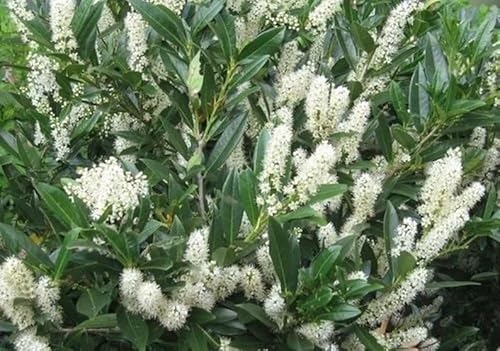
The Schip Laurel plant, listed as Prunus Laurocerasus Schipkaensis, comes as a 6-10″ tall specimen in a 2.5″ pot. It thrives in full sun to partial shade and prefers moist, well-drained soil. Hardy in Zones 4-8, this variety is suitable for establishing a compact evergreen hedge or focal accent. Its glossy leaves add year-round structure to landscapes, and the plant adapts well to container gardening or garden beds with proper irrigation. Primarily used for privacy screens, Schipkaensis remains manageable and visually appealing with modest maintenance.
Two Schip Laurel 6-10″ Containers
This listing provides two Schip Laurel plants of 6-10 inches, each in 2.5″ pots. They share the same cultural preferences: full sun to partial shade and moist, well-drained soil. Hardy in Zones 4-8, these twins offer accelerated hedge creation or a more immediate privacy screen. As with single plants, gardeners should monitor moisture levels to avoid soggy conditions and promote healthy root development in the early stages of growth.
Dwarf English Cherry Laurel Compacta

Compacta is a dwarf form of the English Cherry Laurel (Prunus Laurocerasus). This product offers three live plants well-suited for shady or mixed-light areas, delivering glossy evergreen leaves and year-round appeal. It is described as a low-maintenance option that can function as a hedge or privacy screen without overwhelming space. The dwarf variety grows to a more controlled size and can tolerate partial shade, while still producing the dense coverage characteristic of cherry laurel hedges in suitable conditions.
Schip Laurel 15-Plant Bundle
This bundle expands the Schip Laurel planting options with 15 plants, each 6-10″ tall in 2.5″ pots. The configuration supports faster creation of hedges or borders using a dense planting scheme. The plants tolerate full sun to partial shade and require moist, well-drained soil. Hardy in Zones 4-8, these specimens can quickly establish a green barrier along fences, driveways, or property lines, reducing maintenance needs over time while enhancing curb appeal.
Buying Guide
Key considerations when selecting laurel Prunus laurocerasus varieties:
- Growth habit and size: Choose Schipkaensis or Compacta based on space. Schiplaus are better for mid-sized screens, while Compacta suits small yards or tight corners.
- Light and soil: Most laurels prefer full sun to partial shade and moist, well-drained soil. In consistently wet soils, improve drainage or select a more tolerant variety.
- Hardiness: Plant performance in Zones 4-8 is common for Schipkaensis and related laurocerasus; protect young specimens in extreme cold or heat waves during first winters or summers.
- Maintenance: Laurel hedges typically require minimal trimming, but routine pruning encourages dense growth and uniform shape. Avoid heavy pruning in late fall to prevent damage from early frosts.
- Watering and irrigation: Establish a regular watering schedule during establishment. Mulching helps retain soil moisture and reduces weed competition.
- Pest and disease: Watch for common issues such as leaf spot or root rot in poorly drained soils. Adequate air circulation and proper spacing reduce disease risk.
- Container vs. in-ground: In containers, ensure pot size allows root growth and consider regular feeding to support growth. In-ground plantings benefit from border irrigation control and periodic feeding with a balanced fertilizer.
- Aesthetic considerations: Glossy evergreen leaves provide winter interest and can help reduce noise and create privacy. Combine with other broadleaf evergreens for year-round texture.
Across these selections, buyers can evaluate plant count, size, and placement to meet privacy goals, shade management, or ornamental interest. While all options share the Prunus laurocerasus lineage, attention to light, soil moisture, and zone compatibility ensures the best long-term performance for American landscapes. This guide emphasizes objective data about growth and care to support informed shopping decisions.