Pink and white dogwood varieties bring classic spring color to landscapes, yards, and garden beds. This guide highlights five popular options—ranging from live plants to decorative pieces—so readers in the United States can compare features, growth habits, and planting needs. Each entry includes key attributes to help you select a dogwood that matches your climate, space, and aesthetic goals.
| Product | Brand | Type | Key Feature |
|---|---|---|---|
| Dogwood Tree Live Plant, Pink/White Blossoms | Generic | Live Plant | Dormant now; large white blossoms in spring |
| Pink Kousa Dogwood Tree | DAS Farms | Live Plant | 3–4 feet tall; thrives in zones 5–8 |
| Pink Dogwood 6-12″ in Height | Generic | Live Plant | Compact pink flowering option |
| White Flowering Dogwood Tree 10-16″ | Generic | Live Plant | Spring blooms; dormant state in transit Oct–Apr |
| Kousa Pink Dogwood, 7 gal | Generic | Live Plant | Pink blossoms; mature height 15–20 ft |
Dogwood Tree Live Plant: Pink/White Blossoms

This flowering dogwood plant is described as dormant at purchase, making it a versatile option for late-season planting. It features large white blossoms in early spring and green summer leaves that turn red in the fall, offering multi-season appeal. The plant is suitable as a specimen tree or for flower beds, contributing vertical interest and a classic look to landscapes.
Pink Kousa Dogwood Tree

These live plants ship at 3–4 feet tall and are ready for planting upon arrival. The Kousa dogwood is a deciduous variety with pink blossoms that brighten landscapes in spring. It thrives in zones 5–8 and enjoys partial sunlight. California orders may be bare-root per state rules. Note that winter may bring leaf loss for deciduous dogwoods, a normal seasonal behavior.
Pink Dogwood 6-12″ in Height
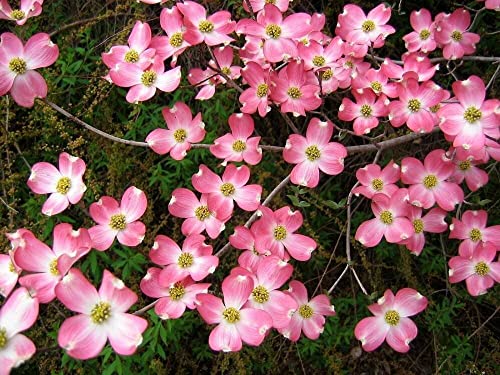
This compact pink flowering dogwood offers a smaller introduction to the species, suitable for gardens with limited space or container planting. The pink blossoms provide a bright focal point during spring, while the plant remains an adaptable option for varied landscapes.
White Flowering Dogwood Tree, 10-16″ Tall

Shipped in a quart pot at 10–16 inches tall, this white dogwood rewards early spring with pristine white blooms. If ordered during October through April, expect delivery in a natural dormant state with no leaves. The white dogwood is a classic landscape specimen that also produces vivid red berries later in the season, enhancing wildlife value and color variety.
White Dogwood Tree, 1 gal Nursery Pot

This white dogwood is noted for showy four-petaled flowers with a spring bloom. It carries a caution about shipping restrictions to certain states due to agricultural laws. After flowering, it can produce bright red berries in late summer to fall, which adds visual appeal and attracts birds, contributing ecological value to landscapes.
Kousa Pink Dogwood, 7 gal

With pink blossoms and a mature height of 15–20 feet, the Kousa pink dogwood makes a striking focal point in larger landscapes. The plant is offered in a 7-gallon nursery pot, suitable for established planting beds. As with other large dogwood varieties, some states may restrict shipping due to agricultural regulations. Expect vibrant pink tones during the flowering season and robust growth over time.
Buying Guide: Key Purchase Considerations For Pink And White Dogwoods
Climate compatibility is essential. Ensure the chosen variety tolerates your USDA hardiness zone, sunlight availability, and soil type. Kousa dogwoods often perform well in zones 5–8, while some white varieties suit broader ranges.
Growth habit and mature size matter for space planning. Small, compact dogwoods are ideal for gardens or containers, while larger varieties work as landscape features or focal points in yards. Consider whether you want a single-stem specimen or a multi-stem presence.
Flower timing and color stability influence year-to-year appeal. Pink dogwoods provide spring color, and white varieties offer a clean, bright look. Some cultivars change color subtly with age; this can add interest or complicate garden planning.
Rooting and transplanting requirements affect success. Live plants often arrive in various dormant states; follow provided instructions for acclimation, watering, and care. Bare-root shipments require careful handling compared with potted specimens.
Care and maintenance considerations include pruning, fertilization, and pest management. Dogwoods generally prefer well-drained soil, regular watering during establishment, and minimal heavy pruning to preserve flowering wood. Mulching helps retain moisture and regulate soil temperature.
Regulatory considerations can affect which plants can be shipped to your state. Some listings indicate restrictions due to agricultural laws. Verify local guidelines and anticipated delivery conditions, especially for plants shipped during dormancy or bare-root.
Resilience features and longevity vary by cultivar. Native or well-adapted varieties often show better disease resistance and longer lifespans. If wildlife value is a goal, consider berries and fruiting patterns that attract birds later in the season.
Decorative alternatives include artificial dogwood arrangements and lighted trees, which provide year-round appeal. These options do not require soil, watering, or seasonal dormancy, but they lack live growth and ecological benefits of real trees.