Blue spring bulbs bring cool-season color to indoors and outdoors alike. This guide highlights five blue-toned bulbs that are easy to grow, reliable, and great for both containers and garden beds. Each option offers unique bloom forms—from delicate striped squill to lush grape-hazelnut blues—so you can create layered color and texture in small spaces or expansive borders.
| Product | Brand | Key Benefit |
|---|---|---|
| Indoor Pre-Chilled Blue Allium Bulbs for Forcing Indoors | CZ Grain | Pre-chilled, ready to force indoors |
| Blue Moon Mix Crocus 20 Bulbs | Hirt’s Gardens | Vibrant blues and purples for early color |
| Votaniki Anemone Blue Poppy | Votaniki | Long-lasting blue blooms, versatile planting |
| Pre-Chilled Indoor Striped Squill Bulbs | CZ Grain | Blue-and-white striped display, easy to grow |
| Blue Muscari Bulbs for Planting | CZ Grain | Dense blue clusters, reliable perennial color |
Indoor Pre-Chilled Blue Allium Bulbs for Forcing Indoors

These pre-chilled allium bulbs are designed for indoor forcing. They arrive ready to grow in a shallow bowl or pot of soil, enabling color early in the season without outdoor planting. The bulbs are pre-chilled to induce bloom windows suitable for indoor displays, and the seller emphasizes reliable results with a guarantee. Ideal for mass plantings or container setups, the bulbs typically produce strong, vibrant blue tones with a bold architectural form that complements minimalistic decor or lively arrangements.
Blue Moon Mix Crocus 20 Bulbs
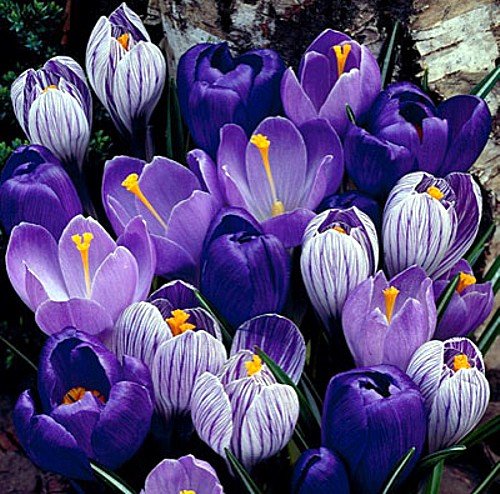
The Blue Moon Mix Crocus blends blues and purples for early-season color that greets gardens and containers as winter loosens its grip. Crocus are among the first bulbs to bloom in spring, providing a quick payoff after late-winter care. They’re hardy and easy to grow, making them suitable for beginner gardeners, while experienced gardeners will appreciate the striking color contrast they create with other spring perennials. Properly cared for, these crocus can emerge reliably each year and naturalize into borders with time.
Votaniki Anemone Blue Poppy

Anemone Blue Poppy bulbs bring soft, airy blossoms with a distinctive blue hue. They are perennial and known for long-lasting display, thriving in well-drained soil and partial sun. Once established, these plants can form a semi-compact clump that adds a refined touch to borders, rock gardens, or container plantings. They pair well with other early bloomers, and their blooms tend to hold color over several weeks, providing extended beauty in spring landscapes.
Pre-Chilled Indoor Striped Squill Bulbs

Striped squill (Puschkinia) bulbs produce pale blue flowers with distinctive white stripes, accented by bright centers. These bulbs are suited for indoor forcing in containers or outdoor beds, where they perform best in cool climates with well-draining soil. They’re ideal for teacup gardens, window boxes, or edgings where a delicate, early-spring bloom adds texture. The pre-chilled treatment aids early flowering, offering dependable results when forced indoors or planted outdoors in suitable zones.
Blue Muscari Bulbs for Planting

Muscari, or grape hyacinths, are classic blue spring bulbs that deliver dense clusters of tiny, bell-shaped blooms. They’re straightforward to grow, making them a favorite for beginners and seasoned gardeners alike. Muskari bulbs perform well in borders, rock gardens, and containers. They naturalize over time, expanding to form lush, blue carpets. Plant in well-draining soil with full to partial sun for the best display, and enjoy consistent spring color for years to come.
Votaniki Anemone Blanda Blue Shades

These Grecian Windflowers offer compact, ground-covering growth with a carpet of blue blossoms and fern-like foliage. They’re well-suited for front borders, rock gardens, or patio pots, providing early-season color without demanding heavy maintenance. As perennials, Anemone Blanda Blue Shades gradually spread, creating naturalized patches that persist across seasons with minimal input. They pair well with low-growing evergreens and spring perennials, enriching the blue palette in the landscape.
Delft Blue Grape Hyacinth Mix

The Delft Blue Grape Hyacinth Mix combines grape-colored blooms with striking blue tones, creating a vibrant cascade of color in spring beds or pots. These perennial bulbs thrive in well-drained soil and full sun, offering reliable returns year after year. They’re particularly effective for mass plantings along borders or as a blue focal point in mixed containers, providing a cheerful, buzzing-blue display that pairs nicely with white or yellow spring flowers.
Blue Magic Dutch Iris Bulbs

Blue Magic Dutch Iris offer large, ruffled petals and a captivating fragrance. They stand tall in borders and cutting gardens, bringing dramatic vertical interest and a striking deep-blue tone. Dutch Iris are reliable and relatively easy to grow, with a reputation for long-lasting blooms into late spring. They suit both novice and seasoned gardeners looking for a showy, vase-worthy blue flower in outdoor landscapes. Well-drained soil and full sun maximize bloom quality and longevity.
Buying Guide: Key Purchase Considerations For Blue Spring Bulbs
- Climate and hardiness: Choose bulbs suited to your USDA hardiness zone and whether you plan outdoor planting or indoor forcing. Some varieties handle cool indoor conditions better than others.
- Bloom timing: Plan a staggered bloom sequence by mixing early, mid, and late-season blues to extend color through spring.
- Light requirements: Most blue spring bulbs prefer full sun to partial shade. Consider sun exposure when selecting sites for containers or borders.
- Soil and drainage: Ensure well-drained soil to prevent bulb rot. Amending heavy soils with organic matter improves performance for most varieties.
- Watering and care: Keep soil evenly moist during establishment, then reduce irrigation as plants mature. Avoid overwatering after bloom to protect bulb health.
- Container vs. in-ground planting: For indoor forcing, use shallow pots and bright, indirect light. For outdoor use, ensure containers have drainage and are sized for mature bulb height.
- Color planning: Pair blues with complementary colors—yellows, whites, or soft pinks—to create contrast and visual interest.
- Perennial behavior: Some bulbs naturalize and return reliably; others perform as short-lived annuals. Consider long-term goals when selecting varieties.
- Maintenance: After bloom, leave foliage intact to feed the bulb. Remove spent flowers to reduce energy draw for seed formation in annuals.
- Pest and disease considerations: Most blue bulbs aren’t highly susceptible to pests when grown in healthy soil and proper drainage, but monitor for common issues like bulb rot in poorly drained beds.