Bearded iris flowers bring dramatic color, architectural lines, and a timeless elegance to any garden or floral display. With a range of colors from deep burgundy to snowy white, these perennials thrive in sunny beds and can be cut for long-lasting arrangements. This guide highlights five standout bearded iris varieties and how they fit into home gardens, borders, and bouquets.
Summary of Selected Products
| Product | Brand | Type | Key Benefit |
|---|---|---|---|
| Easy to Grow Bearded Iris Blatant | Easy to Grow | Rhizomes | Bright purple and yellow blossoms; butterfly-friendly |
| Willard & May | Rhizome | Year-after-year reblooming with deep crimson tones | |
| Immortality Bearded Iris Plant | Stargazer Perennials | Container plant | Repeat blooms; fragrant white flowers |
| Bernice’s Legacy Bearded Iris | Easy to Grow | Rhizomes | Cranberry-crimson flowers across spring to fall |
| Black Magic Bearded Iris | Seeds*Bulbs*Plants*&More | Rhizome/Bulb | Deep black-purple blooms; striking focal plant |
Across these selections, bearded irises contribute striking color contrasts, attract pollinators, and offer long-lasting stems for cut arrangements. Each entry includes growth notes, bloom behavior, and suitability for borders, containers, or mixed bouquets.
Bearded Iris Blatant — A Bold Purple and Yellow Show
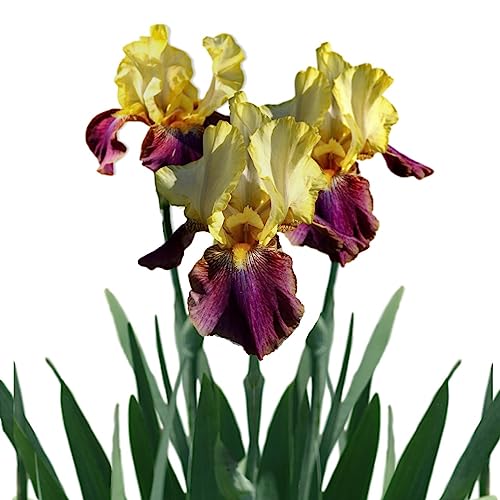
The Easy to Grow Bearded Iris Blatant offers a compact trio of rhizomes designed for Hardy Zones 3-10. The pictured blossoms mix vibrant purple with sunny yellow accents, delivering a high-contrast garden focal point. Ideal for sunny borders and perennial beds, these irises invite butterflies and other pollinators to the landscape. While the product line emphasizes ease, this variety benefits from well-drained soil and a full sun position to maximize bloom density and color depth.
Bernie’s Legacy Re-Blooming Bearded Iris
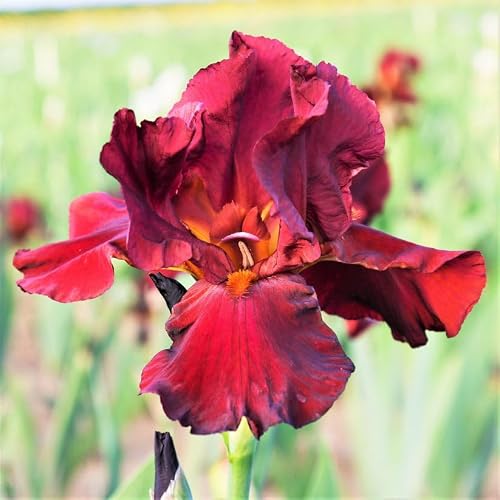
Bernie’s Legacy Re-Blooming Bearded Iris from Willard & May is highlighted for its year-after-year bloom cycle. The large rhizome develops deep crimson standards with bronze tips and golden beards, complemented by garnet shading and cinnamon stripe accents. The plant is well-suited to full sun or light shade, and its reblooming habit makes it a versatile choice for gardeners seeking color in multiple seasons. Its naturalizing potential means it can establish over time, expanding a traditional iris bed with minimal extra maintenance.
Immortality Bearded Iris Plant

Immortality Bearded Iris is a repeat-blooming option featuring fragrant pure white flowers with pale lemon undertones. Sold in quart containers, this easy-to-grow perennial can be planted almost anytime, and it shows vigor through naturalization in a suitable garden setting. The plant’s fragrance and luminous white petals make it an excellent choice for cut flower arrangements and bright, airy borders. Pair with darker neighboring perennials to maximize contrast in bouquets and landscape.
Bernice’s Legacy Bearded Iris

Bernice’s Legacy offers three rhizomes of Iris germanica Califlora with crimson-purple blossoms that appear from spring through fall. This Easy to Grow selection emphasizes accessibility and pollinator-friendly features, supported by a strong hardiness range (Zones 3-10). The robust growth habit suits borders, beds, or mixed containers for dramatic seasonal color across the growing season.
Black Magic Bearded Iris

Black Magic Bearded Iris from Seeds*Bulbs*Plants*&More delivers a striking, nearly black-purple bloom that serves as a dramatic centerpiece in any garden or container display. While this cultivar emphasizes bold color, care remains straightforward: ensure full sun, well-drained soil, and regular division to maintain vigor. Its deep tones perform well against pale florals or silver foliage in arrangements, creating a strong visual impact in mixed bouquets.
Buying Guide
Light and soil requirements
Bearded irises thrive in full sun with at least six hours of direct light daily. They prefer well-drained, slightly sandy soil to prevent rhizome rot. If your garden soil is heavy, consider amending with compost and perlite or planting in raised beds to improve drainage and root health.
Watering and feeding
Water irises deeply after planting and during the growing season, but avoid overwatering. Once established, irises generally tolerate dry spells. A light side-dressing with a balanced fertilizer in early spring can support robust bloom, though excessive feeding can promote leafier growth at the expense of flowers.
Planting and spacing
Plant rhizomes just below the soil surface, with the tops exposed to light. Space rhizomes about 12 to 18 inches apart for good air circulation and to reduce disease risk. Mulching is optional but can help retain moisture and suppress weeds.
Bloom patterns and maintenance
Most bearded irises bloom in late spring to early summer, with some cultivars offering reblooming cycles. After flowering, remove spent blooms to encourage vigor. In regions with harsh winters or heavy rainfall, provide protection or give the beds a light spring clean-up to minimize pests and disease pressure.
Garden design and companion plants
Bearded irises pair well with tall perennials such as daylilies, peonies, and salvias, creating layered color and texture. For cutting gardens, select cultivars with strong stem strength and fragrance, and consider pairing white or pale-toned irises with deep purples or oranges to highlight the bloom forms.
Pest and disease considerations
Watch for iris borers and rhizome rot in damp or poorly drained soils. Good sanitation, adequate spacing, and in some cases preventative fungicide applications can help protect plants. If disease is detected, remove affected foliage promptly and improve air flow around the clumps.
The five selections above offer a spectrum of colors, bloom habits, and growing conditions, enabling gardeners to tailor arrangements to borders, containers, and cut-flower displays. When selecting a variety, consider bloom timing, scent, and whether you prefer a reblooming habit or a single-season spectacle. Irises also make attractive focal points within mixed planters or perennial borders, contributing structure and color to any landscape.