Choosing a drought resistant lawn seed can help conserve water while keeping a lush, green lawn through hot, dry seasons. The right mix adapts to sun exposure, soil, and local climate, delivering deep roots, waxy leaf coatings, or self-repairing properties to minimize water loss and maintenance. Below you’ll find five well-matched options designed for American lawns, each selected for drought tolerance, root depth, and resilience in sun-filled or mixed conditions.
Summary of Selected Products
| Product | Brand | Key Feature | Coverage |
|---|---|---|---|
| Scotts Grass Seed Drought Tolerant Mix | Scotts | Deep roots, self-repairs for bare spots | 2,000 sq. ft. |
| Black Beauty Heat & Drought Resistant Grass Seed (3 lb) | Jonathan Green | Wax-coated leaves reduce evaporation, heat tolerant | Up to 3 lb package; suitable for large or small areas |
| Kentucky 31 Tall Fescue Penkoted (7 lb) | Pennington | Durable tall fescue for hot summers and heavy rains | 7 lb |
| Turf Builder Bermudagrass with Fertilizer (1 lb) | Scotts | Drought-tolerant blend with fertilizer and soil improver | 1 lb |
| O.M. Scott Clover Seed (1,000 sq. ft., 2 lb) | Scotts | Self-fertilizing, nitrogen-fixing clover for low maintenance | 1,000 sq. ft. |
Note: The list focuses on varieties with drought tolerance traits such as deep rooting, waxy leaf coatings, and self-sustaining nitrogen cycles. Availability may vary by region and season, so check local planting windows to maximize establishment and survival.
Scotts Drought Tolerant Mix: Deep Roots for Water Savings

Scotts Grass Seed Drought Tolerant Mix blends Tall Fescue and Kentucky Bluegrass to form a dense lawn with superior moisture retention. Features include self-repair properties to fill bare spots and deep root growth that helps conserve water during dry spells. This mix is suitable for starting a new lawn or overseeding existing turf, and it performs best when planted in spring or fall with temperatures between 65°F and 85°F.
Jonathan Green Black Beauty Heat & Drought Resistant Seed (3 lb)

This cool-season blend combines tall fescue and Texas bluegrass to provide heat tolerance and drought resistance. A waxy leaf coating helps reduce moisture loss, supporting evaporation control in sunny and lightly shaded sites. Roots can extend deeply, up to several feet, aiding resilience under hot conditions and variable moisture availability.
Pennington Kentucky 31 Tall Fescue (7 lb)
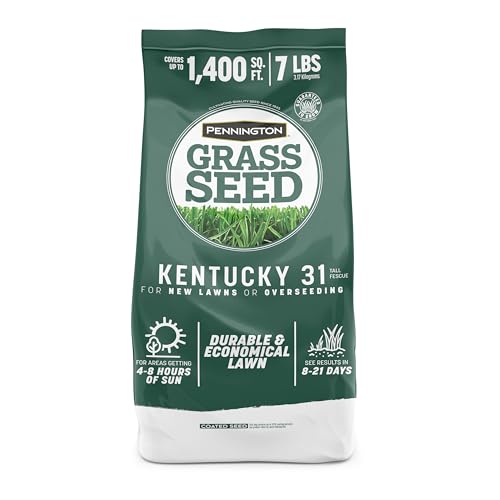
Kentucky 31 Tall Fescue is a long-standing turf choice known for durability and economical maintenance. The tall fescue blades stay relatively stout in heat, while the deep root system helps withstand drought conditions and heavy rainfall. This seed is well-suited for lawns that endure hot summers and irregular irrigation.
Scotts Turf Builder Bermudagrass Seed (1 lb)
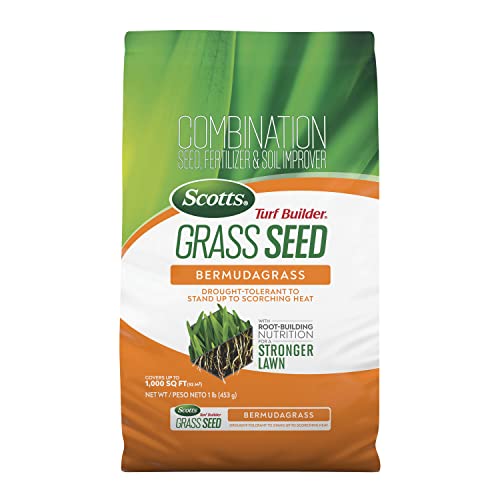
This bermudagrass blend is designed for drought tolerance and full sun. It includes root-building nutrition to promote a stronger, more resilient lawn, making it a solid option for hot, dry periods and areas with high sun exposure. It is suitable for seeding new lawns or overseeding existing ones during late spring to early summer.
O.M. Scott Clover Seed, Low Maintenance Lawn

This clover seed mix emphasizes drought tolerance through nitrogen-fixing clover, which helps greens stay greener longer during dry spells. It offers low maintenance lawn options and reduces the need for synthetic fertilization when used as directed. Safe for people and pets when used properly, it supports a naturally vibrant lawn with less mowing and watering.
Buying Guide: Key Purchase Considerations for Drought-Resistant Lawn Seed
- Climate suitability: Match seed type to your region’s sun exposure, heat waves, and precipitation patterns. Cool-season blends perform differently from warm-season mixes, so consider your local growing season.
- Root depth and moisture use: Deep-rooted tall fescues and wax-coated leaves can improve drought tolerance by accessing deeper moisture and reducing evaporation.
- Intended use: Determine whether you need a lawn to start from scratch or overseed an existing lawn. Some mixes are optimized for rapid establishment, while others focus on lawn renovation over time.
- Maintenance expectations: Some seeds come with fertilizer or soil improvers already included. Evaluate whether you want a seed-only option or a package with nutrient support.
- Sun vs. shade tolerance: If your yard has mixed sun, select a blend that performs in both sunny and lightly shaded areas to avoid patchy growth.
- Establishment window: Spring and fall are common windows for seeding, when temperatures are between roughly 60°F and 85°F. Avoid extreme heat or cold for best germination.
- Regional pests and soil conditions: Take soil type, drainage, and common pests into account. Some mixes tolerate compacted soils better than others.
- Long-term maintenance: Consider ongoing irrigation needs, mowing height, and potential need for overseeding to maintain density and drought resistance.