Amaranth seeds bring towering green foliage, vibrant flower plumes, and edible greens to any home garden. This guide highlights five top amaranth seed packets that perform well in American yards, with growing tips, planting ranges, and usage ideas. Explore options that yield beautiful borders, edible greens, and decorative seed heads for bouquets or grain harvests.
| Product | Type | Growing Zone | Key Use |
|---|---|---|---|
| Sow Right Seeds Collection | Amaranth Seed Packets (Green Garnet, Red Garnet, Bronze) | 5-12 | Floral display, edible greens, grain potential |
| Survival Garden Seeds Red Amaranth | Non-GMO Heirloom Seed | 5-12 | Edible greens and grain; attracts pollinators |
| Sow Right Seeds Red Garnet Amaranth | Non-GMO Heirloom Seed | 5-12 | Striking magenta seed heads; edible greens |
| Sow Right Seeds Bronze Amaranth | Non-GMO Heirloom Seed | 5-12 | Autumn color and tall architectural interest |
| Green Garnet Amaranth (Survival Garden Seeds) | Non-GMO Heirloom Seed | 5-12 | Green foliage; versatile culinary and ornamental use |
Sow Right Seeds Collection Of Amaranth Seeds

The Sow Right Seeds collection delivers three distinct Amaranthus varieties: Green Garnet, Red Garnet, and Bronze Amaranth. These large premium packets support a tall garden presence, with plants reaching up to 6 feet tall. Leaves are edible, while flower heads can be harvested as grain or left to feed wildlife. Germination typically occurs in 14-21 days in warm soil, with full sun and spacing of 6-12 inches. The mix offers both ornamental value and culinary potential, spanning decorative bouquets to grain harvest.
Survival Garden Seeds Red Amaranth

Red Amaranth from Survival Garden Seeds is described as a large plant with striking burgundy flower heads that can reach up to 6 feet tall. It functions as both an ornamental accent and an edible crop. The greens and grain produced are nutritious, offering fiber, iron, and protein. This variety is suitable for home gardens and microgreen production, with seeds ready to sprout and thrive in a broad sun exposure. It also highlights seed-saving guidance for gardeners who want to perpetuate their harvest across seasons.
Sow Right Seeds Red Garnet Amaranth
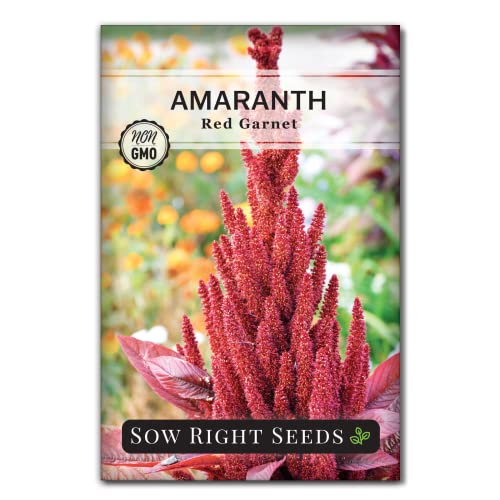
Red Garnet Amaranth from Sow Right Seeds presents a visually stunning variety with magenta flower heads and edible greens. Plants can grow to about 6 feet tall, making them excellent for back borders or accent plantings. Germination occurs in 14-21 days, with 65-75°F soil temperatures recommended. Space seeds 6-12 inches apart in full sun, and expect seed heads to mature in 50-60 days. The packet includes roughly 1 gram (around 1300 seeds), ensuring a reliable start for a dynamic garden display and grain harvest.
Sow Right Seeds Bronze Amaranth

Bronze Amaranth seeds yield tall ornamental plumes with bronzed-chestnut tones. This variety thrives in similar conditions—full sun, well-drained soil, and spaced 6-12 inches apart. Germination aligns with other amaranths, usually within 14-21 days. Plants grow vigorously to about 6 feet tall, delivering both texture and color to borders or cut-flower arrangements. Leaves remain edible, and seed heads offer grain options or wildlife feed opportunities, expanding garden usefulness across seasons.
Green Garnet Amaranth Seeds By Survival Garden Seeds

Green Garnet Amaranth offers a lush green foliage profile and a 6-foot height ceiling, suitable for backdrops, borders, and kitchen-table bouquets. The plant is versatile in the kitchen: young leaves can be eaten raw or sautéed like spinach, while the seeds can be dried for grain or used in microgreens. The variety is hardy across USDA zones 5-12 and thrives in sunny locations with moderate spacing to allow upright growth. This selection emphasizes sustainable, home-grown nutrition and ornamental value, aligning with self-sufficient garden goals.
Buying Guide: Key Purchase Considerations And Comparisons
- Growth habit and space: Amaranth often grows tall. Plan for 4–6 feet or more in height; allow 1–2 feet of spread. Choose varieties that fit your garden layout, whether as background screens or decorative focal points.
- Uses: All listed varieties provide edible greens; many yield usable grains from seed heads. If you want cut flowers, prioritize those with striking plumes (Red Garnet, Bronze) or those offering long-lasting foliage for bouquets.
- Growing conditions: Most amaranths prefer full sun and warm soil (65–75°F). Ensure good drainage and consistent moisture, especially during germination (14–21 days).
- Pollinators and wildlife: Amaranth attracts pollinators and birds. If wildlife is a concern or an asset, consider seed heads for grain and bird feed, or greens for kitchen use.
- Seed viability and storage: Store seeds in a cool, dry location to preserve germination. Some packets include seed-saving guidance for perennial growth across seasons.
- Non-GMO and heirloom attributes: The listed varieties emphasize non-GMO and heirloom traits, which appeal to gardeners seeking traditional seed lines and authenticity in flavor and texture.
- Visual impact vs. practicality: If the goal is ornamental impact, select Bronze or Red Garnet varieties for bold color. For practical kitchen use, Green Garnet or high-yield Red Amaranth offerings may be preferable.