If you’re designing a water-smart landscape, drought-tolerant Japanese maples offer color, texture, and seasonal interest with lower irrigation needs. This article highlights five suitable varieties and related options, focusing on coral-bark and green-leaf forms that thrive in temperate climates. We compare growth potential, climate considerations, and overall beauty to help you select a maple that performs well with less watering.
| Product | Type | Key Benefit |
|---|---|---|
| Japanese Sango Kaku Coral Bark Maple | 1 gal./Drought-tolerant | Vibrant coral bark in winter; striking autumn foliage |
| Japanese Sango Kaku Green Maple | 1 gal./Drought-tolerant | Coral bark accents with green leaves; seasonal color |
| Japanese Sango Kaku 7 Gallon Maple | 7 gal./Drought-tolerant | Large specimen with coral bark and long-term vigor |
| Red Japanese Maple Tree Seeds | Seed pack | Vivid burgundy-red foliage for bold color |
| Bloodgood Japanese Maple | Live tree | Deep red foliage year-round appeal |
Japanese Sango Kaku Coral Bark Maple
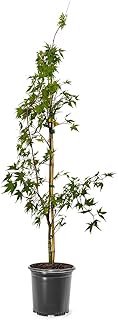
This 1-gallon Sango Kaku maturely displays its signature coral-red bark, especially noticeable in winter. The tree is noted for drought tolerance and adaptable performance in landscape settings. In autumn, its leaves turn vivid shades of yellow to orange, delivering a dynamic mix of foliage and bark that remains visually interesting during dormancy. While shipping restrictions apply for certain states, the plant is positioned as an eye-catching feature tree for cooler climates with low water needs.
Japanese Sango Kaku Green Maple

This 1-gallon grower pot offers the Sango Kaku with green leaves and a coral bark accent that remains striking in winter. It remains drought-tolerant and suitable for landscape installations where water use is a concern. In fall, the foliage shifts to yellow-orange tones, providing a bright seasonal display that complements the bark’s color. State shipping restrictions apply, and orders to certain states may be canceled to comply with agricultural laws.
Sango Kaku 7 Gallon Maple

The 7-gallon Sango Kaku provides a substantial specimen with the same coral-red bark and seasonal foliage that makes Japanese maples prized in low-water landscapes. Its larger container supports quicker establishment and a more dramatic presence in borders, entryways, or focal points. As with other entries, agricultural restrictions apply for certain states, and shipping may be refused to those locations.
30 Pcs Red Japanese Maple Tree Seeds

A packet of 30 seeds introduces the Acer palmatum Atropurpureum variety with burgundy-red foliage. This option emphasizes color versatility and drought resilience as plants establish, though germination results vary and may require care beyond initial sowing. It suits gardeners who appreciate a grow-from-seed approach and a bold, consistent color palette in the landscape once matured.
Bloodgood Japanese Maple

The Bloodgood cultivar offers deep red foliage from spring through fall, presenting a robust and uniform color landscape. This 2-year live tree is heat- and drought-tolerant when established, making it a reliable focal point for ornamental gardens and entryways. It’s well-suited for formal or naturalistic designs, often paired with evergreen or contrasting foliage for year-round structure.
Buying Guide
Key considerations when selecting drought-tolerant Japanese maples include climate suitability, mature size, and water strategy. Look for varieties with strong winter color or coral bark if you want year-round visual interest. Determine container versus in-ground planting needs: smaller pots establish quickly but require careful irrigation, while larger specimens offer immediate impact with potentially greater drought resilience once established.
Consider soil type and drainage; maples prefer well-drained, slightly acidic soil. Mulching helps retain soil moisture and moderate temperature. Plant location matters: morning sun with afternoon shade can reduce leaf scorch in hotter regions, while cooler climates tolerate more sun exposure. Temperature extremes, wind exposure, and soil moisture management all influence leaf color and bark vibrancy.
Compatibility with existing landscapes is another factor. Japanese maples pair well with conifers, ferns, and perennial border plants. If you desire a dramatic focal point, choose a cultivar with distinctive bark or foliage color, such as coral-bark or burgundy-leaved varieties. For water efficiency, plan a drip irrigation layout and monitor soil moisture to avoid overwatering during rainy periods.
Practical considerations include shipping restrictions and agricultural regulations, which may affect availability in certain states. When choosing a seed option, understand germination rates and cultivation timelines to ensure expected color development. Finally, verify plant health, root system, and overall vigor at delivery to maximize establishment success in drought-conscious gardens.