Growing Italian black figs or varieties with a rich, dark fig profile can add a delicious harvest to your garden. This article highlights five proven options, from true Italian varieties to dwarf and hardy types, all suitable for home gardens, patios, or containers. Each selection includes key features to help you compare growth habits, fruit quality, and suitability for different spaces and climates.
| Product | Variety | Notable Feature |
|---|---|---|
| Lattarula Italian Honey Fig Tree | Italian Honey Fig | Sweet honey-flavored fruit; ready for transplanting |
| Black Mission Fig Tree Live Plant | Black Mission | Classic dark fig with rich flavor; starter plant |
| Beer’s Black Fig Tree (Dwarf) | Beer’s Black | Compact dwarf habit; ideal for containers |
| Black Mission Fig Tree – 4 Live Starter Plants | Black Mission | Multiple rooted plants; faster coverage |
| Beer’s Black Dwarf Fig Tree | Beer’s Black Dwarf | Dwarf, self-fertile; container-friendly |
Introduction
Fig trees thrive in warm, sunny locations with well-drained soil. The selections below cover a range of sizes, from compact dwarf varieties to standard mature forms, and they include both true Italian lines and widely grown black fig types. Consider your available space, winter temperatures, and how you plan to harvest—whether at the patio or in-ground garden—to choose the best fit.
Lattarula Italian Honey Fig Tree

The Lattarula, often called the Italian Honey Fig, is prized for its sweet, yellow-green honey-flavored fruit. Sold as a live plant in a 6-inch pot, this tree is well suited for transplanting into a garden bed or a larger container as you scale up. It grows as a fast-growing deciduous tree with distinctive lobed leaves and can reach a range of sizes depending on pruning. The fruit’s rich sweetness makes it popular for fresh eating, drying, or desserts. This variant is suitable for growers seeking a traditional Italian-flavored fig with a manageable growth habit for home gardens.
Black Mission Fig Tree Live Plant
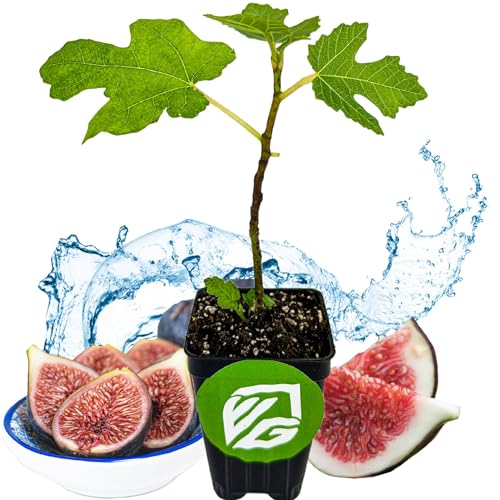
Black Mission is a classic dark-fleshed fig known for its robust flavor and rich sweetness. This Wellspring Gardens live plant offers a solid starting point for a traditional black fig experience. Buyers should be prepared for standard fig tree care, including full sun and well-drained soil. The starter plant is typically compact and adaptable to container or in-ground growing, with repeat fruiting as long as consistent moisture and feeding are maintained. For those seeking a historically cherished fig with dependable fruit, Black Mission is a strong option.
Beer’s Black Fig Tree (Dwarf)

Beer’s Black Fig is presented here in a dwarf habit, making it an excellent choice for containers or small spaces. This plant produces sweet figs and stays relatively compact, with a mature size suitable for patios or limited garden areas. The dwarf form helps with management in urban settings, and the plant’s adaptability to sunny conditions supports steady yields. If you want a true black fig with a smaller footprint, Beer’s Black Fig offers an accessible entry point for new gardeners or space-conscious growers.
Black Mission Fig Tree – 4 Live Starter Plants

This option provides four rooted Black Mission starter plants, allowing quicker establishment across a garden bed or a larger container setup. Planting multiple rooted specimens can encourage a denser canopy and more frequent fruiting across seasons. As with other Black Mission varieties, the fruit is deep-colored with rich flavor. Regular pruning and appropriate watering help maximize fruit production while maintaining tree health. This bundle is convenient for growers who want rapid establishment with fewer delays between plantings.
Beer’s Black Dwarf Fig Tree

The Black Dwarf Fig Tree is a compact, self-fertile variety designed for container growing and small-space landscapes. This dwarf fig continues to bear edibles while staying easy to manage, making it a practical option for balconies, patios, and small yards. The self-fertile nature helps simplify pollination needs, and the plant’s tolerance for sun, heat, and general drought conditions supports resilience in warmer American climates. For gardeners prioritizing space efficiency without sacrificing fruit quality, the Black Dwarf is a compelling pick.
Buying Guide: Key Purchase Considerations And Comparisons
- Space and growth habit: Decide between standard, semi-dwarf, or dwarf varieties. Containers demand compact forms, while in-ground plantings benefit from larger-rooted selections.
- Climate suitability: Most fig trees prefer warm summers and mild winters. Check winter-hardiness zones and protect containers from freezing temperatures with insulation or bring indoors as needed.
- Fruit quality and ripening windows: Italian varieties like Lattarula deliver distinct honey flavors, whereas Black Mission offers deep color and bold sweetness. Consider your preferred harvest timing and fruit characteristics (size, sweetness, texture).
- Soil and watering: Well-drained soil is essential. Fig trees tolerate a range of pH but prefer neutral to slightly acidic soils. Ensure consistent moisture during fruiting, with reduced irrigation in dormancy to prevent root rot.
- Pollination and fruit set: Most common edible figs are self-pollinating, but some environments benefit from cross-pollination or careful pruning to improve yields. Check specific variety notes for your climate.
- Maintenance and pruning: Regular pruning fosters firewood-like structure, better air circulation, and easier harvest. Dwarf varieties still require pruning to manage canopy size and fruiting wood.
- Container considerations: If growing in pots, choose a large, well-draining container with a quality potting mix. Movement indoors during cold snaps can extend the fruiting season in cooler regions.
- Pest and disease awareness: Watch for common fig pests like scale or aphids and monitor for signs of stress. A healthy plant with good sun exposure resists many problems and yields better fruit.
This collection provides diverse options for American readers seeking Italian and dark fig varieties. When selecting, balance space, climate, and harvest goals with the plant’s size, root depth, and fruiting tendencies to optimize your garden’s fruit production.