For American gardens where space, speed, and resilience matter, fast-growing trees can transform yards in a single season. This guide highlights five reliable options that balance rapid height gain with adaptable growing habits, whether you’re seeking privacy, ornamental appeal, or edible fruit potential. Each entry includes key features to help you compare suitability for your climate and space.
| Tree / Plant | Main Benefit | Ideal For |
|---|---|---|
| Willow Hybrid Trees for Privacy | Very fast growth; strong privacy screen | Privacy hedges, noise reduction, quick shade |
| Miniature Weeping Willow Cuttings | Compact form; dramatic cascading branches | Container gardens, small yards, decorative indoor/outdoor spaces |
| 100 Black Chokeberry Seeds | Hardy, fast-growing ornamental berry shrub | Fruit production for jams and beverages; year-round color |
| Ornamental Banana Tree Seeds | Tropical foliage with rapid leaf development | Tropical accent in warm climates or containers |
| TriStar Chicago Hardy Fig Tree | Fast-growing fig tree suitable for larger yards | Edible fruit, sun-loving gardens |
Willow Hybrid Trees for Privacy — Fast Growing Austree Willow Cuttings
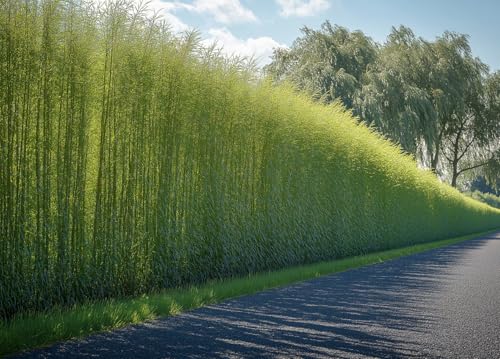
The Willow Hybrid, also known as Aussie Willow, is among the fastest-growing trees on the planet. It can grow up to 6 feet in the first year and as much as 10 feet annually thereafter, making it a top choice for creating an instant visual or sound barrier. The cuttings arrive about 9 inches long and root easily in water, allowing rapid establishment. For best privacy results, space cuttings about 2 feet apart in rows and consider a staggered second row for density.
Practical considerations include extensive rapid growth, which means regular maintenance to manage height and spread. The plant thrives in full sun and responds well to routine pruning. It’s well-suited for homeowners seeking quick screening from neighbors or bustling streets, and it provides a bold, green silhouette that complements modern and traditional landscapes alike.
Miniature Weeping Willow Tree Cuttings
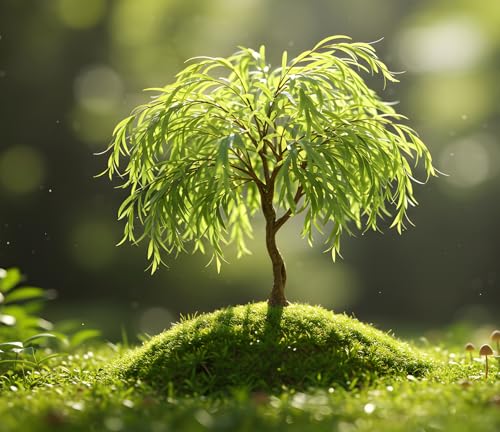
These miniature weeping willow cuttings are ideal for pot culture, garden beds, or near water features. They are fast-growing, making them a striking choice for seasonal displays or bonsai-style arrangements. The weeping branches create a graceful, cascading look that adds elegance to any space, indoors or outdoors. They thrive in well-lit areas and respond well to regular watering and light fertilization.
While compact, these cuttings still require attentive care to maintain a balanced canopy. They are suitable for gardeners who want a dramatic focal plant that can adapt to small plots or container gardens. Their ornamental value makes them a versatile addition to patios, balconies, and entryways alongside larger trees.
100 Black Chokeberry Seeds — Aronia Melanocarpa

Chokeberries are grown as both ornamental and functional fruit-bearing shrubs. The Aronia Melanocarpa variety is winter hardy and fast-growing, reaching around 6 feet tall under suitable conditions. Berries are small and glossy, ideal for jams, wines, syrups, juices, and teas, and they add year-round interest with foliage that shifts to red hues in autumn. The plant tolerates a wide range of soils and lighting, making it adaptable for many American gardens.
Regular pruning helps maximize fruit production and maintains a tidy form. While the berries are highly antioxidant, raw berries can be astringent, so many gardeners select culinary uses to enjoy their health benefits. This species is a resilient option for both seasoned and novice gardeners seeking a hardy perennial with edible potential.
Ornamental Banana Tree Seeds — Musa Spp.

This ornamental banana tree offers lush tropical appeal with large, broad leaves that create a striking focal point in any landscape. It grows quickly, developing eye-catching foliage that brings a vibrant, exotic touch to patios, borders, or indoor spaces. While warm climates suit these plants best, they can also be grown in containers in cooler regions with proper care, making them versatile for various American settings.
Growing success hinges on ample warmth, sun, and moisture. Regular feeding and careful watering support rapid growth, while protection from frost ensures longevity in non-tropical regions. The plant’s dramatic leaves and tropical silhouette can elevate garden design with minimal effort when aligned with light and temperature needs.
Citrus Tree Fertilizer — Orange, Lemon, Lime, Mango, Avocado

Although not a tree itself, this fertilizer is included for citrus trees in garden or container situations where rapid growth and fruit production are desired. The formula provides a balanced NPK (20-3-19) with added micronutrients to support lush growth and fruiting. It is designed for quick root uptake, helping trees respond promptly to feeding. This product can complement fast-growing tree selections by sustaining robust nutrient supply for vigorous growth and healthier foliage.
TriStar Chicago Hardy Fig Tree

Growing a Chicago Hardy fig tree in a 1-gallon trade pot, this plant is designed for fast establishment in sunny locations. It tolerates a range of conditions and is suitable for zones 5 through 10, making it a versatile choice for many American backyards. Planting in full sun promotes vigorous growth and abundant fruit production. Seasonal pruning helps maintain shape and size, supporting ongoing health and yields for edible harvests.
Buying Guide: Key Purchase Considerations And Comparisons
- Climate compatibility: Choose species that match your USDA hardiness zone, especially for heat-loving options like banana trees and fig trees.
- Space and form: Consider mature height and spread. Fast-growing trees can quickly dominate a yard; ensure you have room for growth and adequate clearance from structures and utilities.
- Maintenance needs: Some trees require regular pruning to maintain shape and health. Evaluate your willingness to prune, water, and fertilize as needed.
- Soil and moisture tolerance: Assess soil type and drainage. Some plants tolerate a wide range of soils, while others prefer consistent moisture or well-drained conditions.
- Purpose and aesthetics: Decide whether you need privacy screening, ornamental appeal, edible fruit, or a tropical focal point to guide selection.
- Fruit and wildlife considerations: Berry-producing shrubs and fruit trees provide wildlife benefits, but may attract critters. Plan for potential local impacts.
- Container versus ground planting: For small spaces or climates with frost risk, consider whether plants can thrive in containers or require permanent bed planting.
- Long-term growth expectations: Fast growth often means more frequent pruning and eventual shaping. Budget time for ongoing landscape management.
- Maintenance resources: Availability of water, fertilizer, and pruning tools can influence best choices for your routine and budget.
- Health and durability: Look for disease resistance and adaptability to local pests to ensure a resilient landscape over time.