Choosing the right preservative for cedar helps extend the life of outdoor structures and keeps natural beauty intact. The following products are popular options for cedar and other wood types, offering moisture resistance, decay prevention, and UV protection. Use this guide to compare features, application methods, and environmental considerations.
| Product | Type | Key Benefit | Coverage Note |
|---|---|---|---|
| Cedarcide Cedarshield (1 Gallon) | Wood Treatment & Stabilizer | Moisture barrier; fast dry time | All wood types; 72-hour dry time |
| Wolman Woodlife CopperCoat Green | Wood Preservative | Insect protection; rot prevention | Exposed exterior use |
| TWP 1501 Cedartone | Wood Stain & Preserver | Low VOC; UV & water resistance | Suitable for decks, siding, fences |
| Garden Box Sealer | Plant-based Sealer | FDA food contact safe; plant-based | Purple or citrus scent; safe for gardens |
| Natural Cedar Advanced Stain & Sealer | Stain & Sealant | Flexible, crack-resistant finish | High coverage; outdoor decks and fences |
Each product listed here serves different priorities—from moisture barriers and decay prevention to eco-friendly formulations. If your cedar project sits near vegetables, pets, or edible gardens, consider plant-based or FDA-approved options. For heavy-duty outdoor structures that face sun and moisture, UV protection and a flexible finish can reduce maintenance over time.
Cedarcide Cedarshield: Non-Toxic Wood Treatment

Cedarcide Cedarshield is marketed as a universal wood treatment and stabilizer suitable for all wood types, including cedar. Its primary value propositions are rapid drying and the creation of a moisture-resistant barrier designed to fend off moisture, oils, acids, and water that can degrade wood surfaces. The product aims to simplify maintenance by delivering a durable finish with a relatively quick turnaround time, making it a practical option for fences, decks, garden boxes, and outdoor furniture.
Key features indicate a broad compatibility with soft and hard woods, plus a focus on reducing moisture ingress. When applying, follow surface prep guidelines and ensure adequate cure time to maximize barrier effectiveness. This option is designed for homeowners seeking a non-toxic, straightforward treatment that protects wood from water-related damage without heavy chemical exposure.
Wolman Woodlife CopperCoat Green

Wolman Woodlife CopperCoat Green is an EPA-registered exterior wood preservative designed to protect against termites and other wood-boring insects while also shielding against rot and decay. The product’s transparent, natural green coloration helps maintain the wood’s aesthetic, particularly for exterior installations in ground contact or above-ground environments. It’s positioned as suitable for untreated or pressure-treated wood used in challenging settings such as below ground or freshwater contact, as well as typical outdoor exposures.
The emphasis is on long-term structural protection with insect deterrence. Users should consider the environmental impact and local regulations related to EPA-registered products, and ensure proper surface preparation for optimal adherence and longevity. This option suits projects where visible preservative performance and insect defense are priorities.
TWP 1501 Cedartone Low VOC

TWP 1501 Cedartone combines low VOC performance with broad exterior wood protection. This product is designed for decks, fences, siding, and log homes, delivering UV resistance and water repellency while maintaining a lower environmental impact. The formulation aims to offer effective penetration and durable color retention, helping wood surfaces resist weathering and color fading over time.
Considerations include compliance with local VOC regulations and the compatibility with both new and older wood. The product is positioned for homeowners who want an eco-conscious option without sacrificing performance on outdoor structures, particularly where color stability and surface protection are important.
Garden Box Sealer: Plant-Based, Food Safe

Garden Box Sealer is a plant-based wood sealer designed for raised beds, planters, and pet houses. Its FDA food contact safety and citrus scent emphasize garden-friendly use and non-toxicity for environments where edible plants grow nearby. The formula claims deep penetration and durable protection against water and weather damage, with a recommended stance against petroleum-based acrylics or silane/siloxane/silicone products in vegetable gardens.
For cedar and other woods used in garden structures, plant-based sealers can reduce soil leaching concerns while offering a decade-plus of protection when applied properly. This option is ideal for those prioritizing non-toxic, garden-safe wood care with a natural aroma and straightforward maintenance.
Natural Cedar Advanced Stain & Sealer
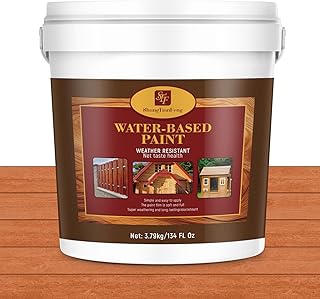
Natural Cedar Advanced Stain & Sealer provides a professional-grade weather protection with a flexible formula that resists cracking and peeling as wood expands and contracts. The stain finish enhances the natural texture of cedar, while delivering long-lasting durability and improved UV resistance. Each gallon claims high coverage, suitable for large projects such as decks and fences.
The product targets users seeking a one-and-done exterior finish that preserves wood aesthetics while offering robust protection. Application considerations include surface preparation, multiple coats for maximum durability, and compatibility with underlying primers or stains when used in layered finishes.
Buying Guide: Key Purchase Considerations
Choosing the right cedar preservative depends on wood type, climate, and project goals. Consider these perspectives to make an informed decision:
- Moisture and decay protection: For boards exposed to rain and humidity, prioritize moisture barriers and rot prevention. Sealers with deep penetration or moisture-resistant films tend to deliver longer service life.
- UV resistance and color retention: If keeping cedar’s natural color matters, select products with UV blockers and transparent or semi-transparent finishes that minimize color fading and grain highlighting.
- Environmental and safety considerations: Eco-friendly and plant-based options reduce potential chemical exposure near gardens, pets, and edible crops. Low VOC formulations are advantageous in residential settings with air quality concerns.
- Application and maintenance: Fast-drying formulas shorten project timelines, while higher-coverage products reduce labor for large surfaces. Follow manufacturer directions for surface prep and reapplication intervals.
- Wood compatibility: Some products are universal across wood types, while others are optimized for cedar or specific conditions (ground contact, fresh water, above ground). Ensure compatibility with the project’s wood species and installation environment.
- Regulatory and safety compliance: EPA-registered preservatives provide insect and rot protection with standardized safety profiles. Review local regulations and warranty terms for exterior wood projects.
- Cost and value: Compare price per square foot covered and expected lifespan of finish to gauge long-term value, not just upfront cost.
In practice, cedar projects like fences, decks, and raised beds benefit from selecting a product that aligns with environmental constraints, expected maintenance intervals, and aesthetic goals. For high-traffic or moisture-prone areas, prioritize moisture barriers and UV protection. For garden-adjacent applications, plant-based or food-safe formulations reduce risk of soil or plant interaction. Always follow application instructions, allow sufficient drying time, and apply as part of a broader maintenance plan to maximize durability.