Spring translates to brighter borders, pollinator-friendly beds, and easy, beginner-friendly sowing. The following selections cover a range of colors, heights, and bloom times, helping you design a lively spring-to-fall display. Each pick is well-suited to American garden conditions and supports pollinators while staying manageable for new gardeners. The overview below highlights key features to help compare options at a glance.
| Product | Brand | Type | Key Benefit |
|---|---|---|---|
| HOME GROWN Zinnia Dahlia Seeds Pack | HOME GROWN | Zinnia Dahlia Seed Pack | Vibrant double blossoms; easy to grow; long-lasting in bouquets |
| Burpee Wildflower 25,000 Bulk | Burpee | Wildflower Mix | 14 varieties; large coverage; pollinator-friendly |
| Seeds Multicolor Tall Lupine Mix | Sprouticus Maximus | Lupine Seeds | Tall spikes; attracts pollinators; good in poor soils |
| Wildflower Seeds Hummingbird and Butterfly Mix | Groundio | Wildflower Mix | 24 varieties; high germination; attracts diverse pollinators |
| Back to The Roots Rainbow Blooms | Back to the Roots | Wildflower Mix | Vibrant mix; easy to grow; supports pollinators |
Zinnia Dahlia Seed Pack For Colorful Borders
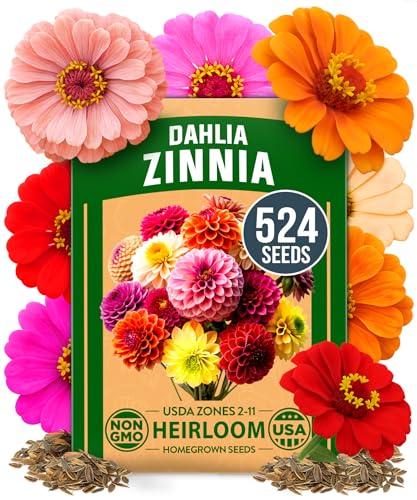
The HOME GROWN Zinnia Dahlia Seeds Pack delivers 524 premium seeds that yield bold, fully double flowers in shades of red, pink, orange, white, and more. This large pack is noted for high germination and quick growth, making it a strong option for mid-to-late spring planting. The zinnia-dahlia form creates a near-geometric sphere of petals, with a lush, regal look ideal for borders, containers, and cut bouquets. It’s described as beginner-friendly and long-lasting through the summer, which helps sustain color across multiple weeks of harvest or display.
Burpee 25,000 Bulk Wildflower Mix

Burpee’s 25,000 bulk wildflower seeds mix contains 14 North American varieties, including zinnia and cornflower, designed to attract pollinators while covering a large area (up to 1,000 square feet). This mix is described as easy to grow and suitable for most soil types, offering a carefree option for creating a meadow-like backdrop in any sunny garden bed. The blend emphasizes non-GMO seeds and is positioned to support both ecological health and a visually pleasing landscape throughout the growing season.
Seeds Multicolor Tall Lupine Mix

The Seeds Multicolor Tall Lupine Mix from Sprouticus Maximus features tall, colorful spikes reaching up to about 3 feet. The mix includes pink, purple, yellow, and white blooms. Lupines are easy to grow, especially for beginners, and they tolerate poorer soils once established. They’re notably attractive to butterflies and other pollinators, making them a practical aesthetic and ecological choice for garden borders, pollinator patches, or vertical accents in beds with taller plantings.
Wildflower Mix For Hummingbirds And Butterflies

Groundio’s Wildflower Mix features 24 varieties designed to attract a broad array of pollinators, including hummingbirds and butterflies. Their focus on high germination and a filler-free seed batch promises robust germination and vigorous early growth. Plants range in height from about 12 to 48 inches, creating varied vertical interest in the garden. The mix is suitable for spring and summer planting and covers roughly 194 square feet, offering a cost-efficient way to establish a pollinator-friendly habitat quickly.
Rainbow Blooms Wildflower Mix

Back to The Roots offers a 100% organic Rainbow Blooms seed packet, designed to grow a vibrant mix that attracts butterflies, bees, and hummingbirds. The blend is marketed as easy to grow and adaptable to various climates, making it suitable for new gardeners seeking immediate color with minimal maintenance. The mix supports pollinator-friendly landscapes and can be used in garden beds, meadows, or mixed borders to create a lively, multicolored display across spring and summer.
Burpee Fast Blooming Wildflower Mix

Burpee’s Fast Blooming Non-GMO Wildflower Seed Mix combines 14 varieties to provide quick color and diverse bloom times. The mixture includes familiar favorites such as cornflower, calendula, cosmos, and nigella, forming a nectar-rich buffet for pollinators while delivering a sustained display through spring into late summer. The seeds are designed to cover up to 1,000 square feet, which makes this an economical option for large sunny patches and public-facing garden spaces alike.
Hollyhock Assorted Colors Seed Pack

The Seeds Assorted Colors Hollyhock mix from Cozy Crib introduces tall, elegant perennials that can reach 3–6 feet. These bloom in the second year after planting, typically from July to September, and tolerate drought and frost better than many annuals. Hollyhocks are well-suited for hedges, fences, and walls, offering vertical structure and a vintage charm to spring and summer landscapes. Pre-soaking seeds before planting can improve germination, and planting in a sunny, well-drained bed helps ensure robust growth over successive seasons.
Dwarf Blue Cornflower Seed Pack

The Dwarf Blue Cornflower from Sprouticus Maximus offers 300+ seeds for a compact, early-blooming option that attracts pollinators. Also known as bachelor’s buttons, these flowers perform well in spring and summer and are suitable for direct sowing in mild winter zones (6–13) in fall or in spring in colder zones. They tolerate drought and require minimal maintenance, making them a reliable addition to borders, rock gardens, and containers where quick color is desired.
Buying Guide: Key Purchase Considerations And Comparisons
When selecting flower seeds for spring planting, consider bloom timing, growth habit, and pollinator appeal. If you want rapid color, look for varieties described as fast blooming or early flowering. For containers or small gardens, opt for compact or dwarf forms; for borders or meadow-like spaces, taller varieties such as lupines or hollyhocks provide structure and movement. Pollinator friendliness is a common thread across these options, ensuring sustained ecological benefits alongside aesthetic value. Non-GMO seeds are available in several mixes, which may align with personal preferences or garden goals. Finally, assess seed origin and germination claims to gauge germination rates and seed quality for your climate.
To optimize results, follow package instructions about soil preparation, sowing depth, and spacing. In many cases, sowing after danger of heavy frost or during mild spring weather yields best establishment. Consider staggering plantings to extend the bloom window from spring into late summer. For best outcomes, select a mix that provides a balanced color palette and varied heights to create depth and visual interest throughout the season.