Explore top tomato varieties bred for disease resistance to help you grow healthier plants with fewer problems. This guide highlights five widely available seeds that reduce common tomato diseases while delivering flavorful harvests for slicing, sauces, and fresh eating. Each entry includes key traits, resistance characteristics, and growing notes to help you decide which fits your climate and garden space.
| Product | Resistance Traits | Best Use |
|---|---|---|
| Burpee Celebrity Hybrid Red Tomato Slicer | Broad disease resistance; All-America Selections winner | Slicing, sandwiches, fresh use |
| Ace 55 VF Tomato Seeds | VF strain (Verticillium & Fusarium wilt resistance) | Determinant, high yield, compact spaces |
| La Roma III Red Hybrid Tomato Seeds | General disease resistance (seed line information not specified) | Abundant crops for general use |
| Celebrity Tomato 50 Seeds | Disease resistant line (unspecified) | General home garden planting |
| 10 Heirloom Tomato Seed Varieties Packet | Open-pollinated, non-GMO, diverse varieties | Versatile for mixed beds and containers |
The selections below focus on disease resistance as a core feature, while emphasizing yield, flavor, and adaptability to common home garden conditions. Each product has been chosen for its relevance to disease management, availability in the American market, and practicality for both beginners and seasoned gardeners.
Burpee Celebrity Hybrid Red Tomato Slicer

The Burpee Celebrity Hybrid is a determinate tomato known for robust disease resistance and high yields on compact vines. Plants typically reach about 36 inches tall with a 30-inch spread, producing 7-ounce fruit ideal for thick-sliced sandwiches and fresh eating. This All-America Selections award-winning variety is designed to thrive in home gardens, offering reliable performance in varied conditions. Its disease resistance profile supports fewer issues with common tomato pathogens while delivering consistent harvests throughout the growing season.
Ace 55 VF Tomato Seeds
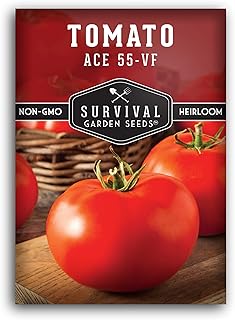
Ace 55 VF seeds offer a determinate, high-yielding tomato option with low-acid fruit. The VF designation indicates resistance to Verticillium and Fusarium wilt, helping ensure steadier harvests in challenging soils or climates. Plants are compact and well-suited to patio containers or small gardens. The low-acid profile makes these fruits approachable for a broad range of tastes and uses, from fresh slices to sauces, without significant bitterness.
La Roma III Red Hybrid Tomato Seeds

La Roma III Red Hybrid seeds promise abundant crops with disease resistance suitable for home gardens, greenhouses, or plant beds. While the listing emphasizes hybrid vigor and general reliability, these seeds are commonly selected for their reliable performance and versatility in cooking and preserving. They deliver uniform fruiting, making them a practical choice for gardeners seeking steady harvests for sauce-making, canning, or fresh use throughout the season.
Celebrity Tomato 50 Seeds

The Celebrity 50 Seeds offering is positioned for disease resistance within a compact home-garden context. While specific pathogen-resistance labels are not detailed in the listing, the product line is associated with reliable performance in typical garden conditions. This variety supports a straightforward planting experience for gardeners prioritizing resilience, yield consistency, and a dependable crop for fresh consumption and simple processing.
10 Heirloom Tomato Seed Varieties Packet

This bundle offers ten popular tomato varieties in one non-GMO, open-pollinated collection. While individual resistance traits vary by variety, the assortment emphasizes genetic diversity and resilience across different growing conditions. The pack is ideal for experimenting with flavor profiles while maintaining a broad safety net against common pests and diseases through natural diversification.
Buying Guide: Key Purchase Considerations For Disease Resistant Tomatoes
- Resistance types and levels: Look for clear mentions of wilt or blight resistance (e.g., Verticillium, Fusarium) and determine whether resistance is disease-specific or broad-spectrum. This helps tailor selections to your local soil and climate conditions.
- Growth habit and space needs: Determinate varieties stay compact and stop growing at a certain height, which suits container gardening and small plots. Indeterminate types continue growing and may require staking and more space.
- Fruit characteristics: Consider fruit size, flavor, and intended use (slicing, canning, sauces). Some disease-resistant varieties prioritize yield and reliability over large fruit size, while others balance both.
- Growing conditions: Most disease-resistant tomatoes prefer full sun, well-drained soil, and consistent moisture. Check seed packet notes for recommended planting times, temperature ranges, and spacing for optimal disease management.
- Pollination and seed type: Heirloom, open-pollinated, and non-GMO seeds offer genetic diversity and stable traits over generations, while hybrid seeds emphasize vigor and disease resistance through cross-breeding.
- Care requirements: Even disease-resistant plants benefit from good garden hygiene—remove diseased leaves, avoid overhead watering, and rotate crops to reduce soil-borne threats.
- Climate considerations: In warmer climates, disease pressure from fungi and bacteria can be higher. Choose varieties with strong resistance and Proven performance in your region, or start seeds indoors to extend the season safely.
When planning a tomato garden focused on disease resistance, it’s useful to mix several types—determinates for containers and harvest predictability, plus a few indeterminates for a longer season of production. Pair these with good soil preparation, mulching, and consistent watering to maximize the benefits of resistance traits and improve overall plant health.