Small gardens deserve greenery that fits the space without demanding a full landscape’s upkeep. Dwarf trees offer compact size, striking foliage, and year‑round interest suitable for patios, balconies, or cozy corners. This guide highlights five carefully chosen dwarf trees that are well suited to American homes, with quick notes on care, light needs, and where they shine best in your outdoor or indoor spaces.
| Product | Size | Light | Care Snapshot |
|---|---|---|---|
| Brussel’s Bonsai Live Dwarf Jade Bonsai Tree | 5–8 inches tall | Bright indirect light | Low maintenance succulent; indoors or sunny porch |
| Dwarf Everbearing Black Mulberry Tree | 3–8 inches tall at arrival; grows to 2–6 feet | Full sun to light shade | Starter plant; indoor/outdoor versatility; fruiting in warm climates |
| 3 Dwarf Fruitless Olive Trees (Montra) | 2.5-inch nursery cubes to plant | Full sun | Low maintenance; drought-tolerant; compact growth |
| Live Dwarf Juniper Bonsai Tree | 4–5 years old; compact bonsai | Bright light; indoor/outdoor adaptable | Handcrafted ceramic pot; decorative panda accent |
| Brussel’s Live Dwarf Pomegranate Indoor Bonsai | 8–12 inches tall | Bright, indirect light | Drought-tolerant; decorative container; easy-care mite for indoor spaces |
Note: Product availability and appearance can vary slightly by batch. The table above provides a quick snapshot of each option’s size, light needs, and general care profile to help you compare at a glance.
Brussel’s Bonsai Live Dwarf Jade Bonsai Tree
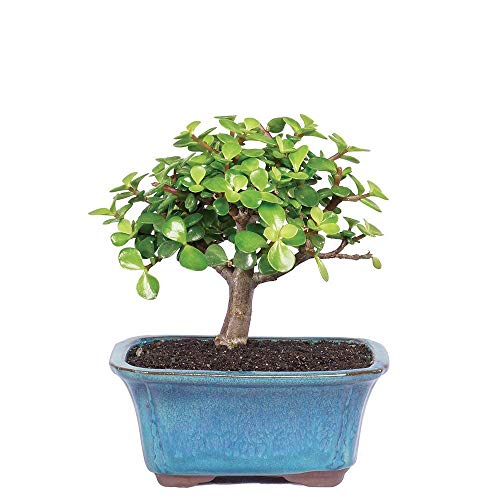
The Dwarf Jade Bonsai is a succulent type that remains compact while offering classic bonsai styling. The plant features a thick upright trunk and stout green leaves, making it a visually striking accent for small spaces. Its low-maintenance nature makes it suitable for beginners, as long as it enjoys bright light and minimal overwatering. A decorative ceramic bonsai pot enhances the overall presentation, and the included care guide helps shape and maintain the tree over time.
Key features include: a compact jade bonsai that thrives on light care, a natural fit for desks, windowsills, and entryways, and a pot that complements the plant’s aesthetic. This option is ideal for consumers seeking a resilient, decorative bonsai with straightforward care requirements.
Dwarf Everbearing Black Mulberry Tree

This dwarf mulberry offers a versatile option for both indoor and outdoor growing. Arriving as a starter plant in a small pot, it grows reliably with proper sunlight and moderate watering. In warmer USDA zones, it can fruit over a long season, making it a practical addition for edible landscapes. Its compact size allows it to fit into containers or small garden beds, while still providing the classic mulberry fruit and tree silhouette you’d expect from a larger specimen.
Care guidance emphasizes full sun to light shade and well-drained soil. This plant transitions smoothly from a nursery setting to a larger container or garden plot, providing ongoing growth with regular pruning and appropriate fertilization as it matures.
3 Dwarf Fruitless Olive Trees (Montra)

These olive saplings arrive in 2.5-inch nursery cubes and are ready to plant, making them an accessible option for beginners. The Montra variety is disease-resistant and drought-tolerant, thriving in full sun with minimal care. Once planted, these trees can reach 4–6 feet tall unless pruned, offering a compact yet elegant evergreen presence that remains suitable for smaller spaces or container setups.
Growing considerations include their sun-loving nature and easy adaptability to indoor/outdoor arrangements. They’re a particularly good choice for landscapes that value Mediterranean flair, low water use, and an evergreen silhouette that stays green year-round in mild climates.
Brussel’s Live Dwarf Pomegranate Indoor Bonsai

The dwarf pomegranate bonsai blends ornamental appeal with a compact indoor footprint. Weighing in at 8–12 inches tall in a decorative container with a humidity tray and decorative rocks, this plant offers a striking focal point for living spaces. The leaves are glossy and the plant is drought-tolerant, which helps maintain vigor with modest watering. The decorative pot and care instructions are designed to simplify maintenance for indoor settings while preserving the plant’s aesthetic charm.
Care considerations focus on bright, indirect light and careful watering to prevent root decay from overwatering. The pomegranate’s seasonally vibrant flowers and potential fruiting in warm environments add seasonal interest to a small garden or indoor collection, without overwhelming space.
Buying Guide: Key Purchase Considerations And Comparisons
Choosing the right dwarf tree for a small garden involves balancing space, climate, and intended use. Here are several factors to weigh when selecting among compact options:
- Space and growth habits: If you want a true bonsai look, select a dwarf genus with established pruning traditions (jade, olive, pomegranate). For balcony spaces, ensure the mature footprint fits vertical and horizontal space constraints.
- Light and location: Most dwarf trees thrive in bright light. Consider whether the site offers full sun, partial shade, or indirect light, and pick a species that aligns with that exposure.
- Watering and soil: Succulent dwarves (like the dwarf jade) require less frequent watering, while fruiting types (mulberry) may need consistent moisture and well-drained soil. Containers warrant careful drainage planning.
- Indoor vs outdoor viability: Some trees perform well indoors with ample light, while others prefer outdoor climates. Check USDA hardiness zones and indoor care tips to prevent stress during seasonal changes.
- Aesthetics and upkeep: Decide whether you prefer flowering interest, fruit production, evergreen foliage, or a purely ornamental form. Consider whether you’re willing to prune regularly for shape or enjoy a more natural growth pattern.
- Container and presentation: Decorative pots and humidity trays add visual appeal and microclimate benefits. The container choice can influence heat exposure and moisture retention for your plant.
- Maintenance level: Some dwarf trees come with beginner-friendly care guides, while others demand more attentive feeding, pruning, and repotting. Align maintenance needs with your time and interest.
In sum, the best choice depends on your space, climate, and how you prefer to interact with your plant. For low-maintenance flair in a sunny nook, a dwarf jade or olive tree can deliver year-round greenery with minimal effort. For edible or flowering interest, dwarf pomegranate or mulberry varieties provide visual appeal and seasonal yields under proper conditions. Always follow the product’s care guide to optimize health and longevity in your specific environment.