Soil health is the foundation of productive farming and thriving gardens. Modern testing devices help farmers and avid gardeners monitor moisture, pH, nutrients, and light, enabling precise irrigation and nutrient management. The following five soil testing tools cover a range of needs—from quick on-site checks to more detailed lab-grade analysis—so you can choose the right setup for your operation. Each product below is evaluated for accuracy, ease of use, and practicality in agricultural settings.
| Product | Brand | Key Focus |
|---|---|---|
| YAMRON 4-in-1 Soil Moisture Meter | YAMRON | Moisture, pH, Temperature, Sunlight |
| SONKIR Soil pH Meter, MS02 | SONKIR | Moisture, Light, pH |
| MySoil Soil Test Kit | My Soil | Lab-grade nutrient and pH analysis |
| Rapitest Soil Test Kit for Gardens | Luster Leaf | pH and nutrient indicators |
| PooTe Soil pH Test Kits | PooTe | pH and nitrogen indicators |
YAMRON 4-in-1 Soil Tester: A 4-in-1 On-Site Tool

The YAMRON 4-in-1 soil tester combines moisture, pH, temperature, and sunlight measurements in one compact device, delivering quick actionable data for irrigation planning and crop management. Its large backlit LCD display ensures readability in varying light conditions, which is especially useful for early morning or late-day readings in fields or greenhouses. The device uses a four-battery power setup and includes a smart low-battery alert, reducing downtime in the field. With 2025-era probe technology, it provides fast readings to help determine when to water and how to adjust soil acidity and light exposure for healthier growth.
Practical considerations for growers include battery management, the need to recalibrate as soil conditions change, and interpreting the combined pH and moisture signals in relation to specific crops. The Sunlight reading helps assess light adequacy, which can inform row placement or canopy management. While it’s a versatile tool for on-site checks, it complements, rather than replaces, lab analyses for nutrient profiling and detailed soil health assessments.
SONKIR Soil pH Meter, MS02: 3-in-1 Gardening Tool

The SONKIR MS02 provides a simple, battery-free option for monitoring soil moisture, pH, and sunlight levels. Its three-function design is ideal for gardeners and small-scale farmers who want a quick read without electronics in the field. Since the device is soil-based and requires no batteries, it’s convenient for routine checks in multiple plots. The meter’s readings help determine irrigation schedules and whether soil pH is within a suitable range for the target crops. Users should be aware that very dry soils may cause slower indicator movement, so proper soil prep improves accuracy.
Limitations include the lack of digital data storage or long-term trend tracking, which makes it less suitable for large operations requiring detailed analytics. However, for quick decision-making in the field, this tool is reliable and cost-effective, enabling frequent soil condition checks across different zones of a farm or garden.
MySoil Soil Test Kit: Lab-Grade Nutrient and pH Analysis
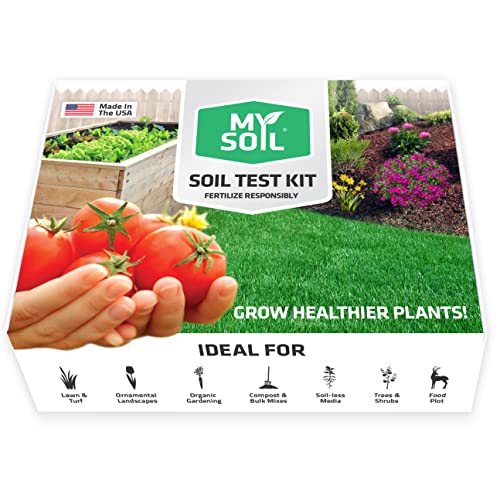
The MySoil kit offers a complete soil test with professional lab analysis, delivering nutrient levels and pH across 13 plant-available nutrients. This kit is designed for growers who require precise data to tailor fertilizer programs and pH adjustments. Turnaround time is typically 6–8 days, with results applicable to various growing scenarios—from lawns and vegetable plots to hydroponic systems and landscapes. The kit’s comprehensive view helps farmers optimize soil health for sustainable yields and targeted crop recommendations.
Considerations include the cost and lead time relative to in-house rapid tests, as well as the need to understand lab reports and translate results into actionable amendments. For farms prioritizing data-driven, scientifically validated insights, MySoil provides a robust option that supports long-term soil health planning and crop performance improvements.
Rapitest Soil Test Kit: Quick pH and Nutrient Insights

The Rapitest kit from Luster Leaf uses LED-readouts to speed up soil testing and provides pH guidance tailored to more than 450 plants. It’s designed for rapid field checks and home gardens, with straightforward color-based readings that simplify interpretation. The kit is well-suited for gardeners who need quick feedback on soil acidity and nutrient status to guide amendments. While it doesn’t replace professional lab work, it offers a practical balance of speed, ease, and broad plant applicability for on-farm decision making and routine soil stewardship.
Pros include fast results and plant-specific guidance, while cons include potential variability with extreme soil conditions and the need for calibration when switching crops. For producers managing multiple plots, using Rapitest as a regular monitoring tool provides a convenient baseline and helps prioritize areas for deeper analysis.
PooTe Soil pH Test Kits: 2-in-1 pH and Nitrogen

PooTe’s test kit emphasizes accuracy for soil pH alongside upgraded nitrogen testing, offering a dual focus that supports fertilizer planning and crop health. The kit provides a straightforward protocol: mix soil with water, wait, dip a test strip, and compare to a color chart. It’s designed for ease of use and quick readiness, making it suitable for home gardens, lawns, and small farm plots that require routine pH and nitrogen insights. While not a replacement for laboratory analysis, it delivers practical, on-site data to guide amendments and irrigation practices.
Users should consider sample handling, calibration, and the interpretation of color-based results, especially in soils with high organic matter or unusual mineral content. For farmers seeking a lightweight, low-cost option to support regular monitoring, PooTe’s kit adds value through its dual-pocus testing approach and simple workflow.
Buying Guide: Key Considerations for Soil Testing Equipment
- Testing goals: Define whether you need rapid field readings, comprehensive nutrient profiling, or lab-grade analysis, and choose devices that align with those objectives.
- Measurement scope: Look for tools that cover essential parameters such as soil moisture, pH, temperature, and light. Some kits also measure specific nutrients like nitrogen.
- Ease of use: Prioritize devices with clear displays, minimal setup, and battery considerations that match field conditions and labor availability.
- Accuracy and calibration: Consider devices with proven accuracy, calibration options, and traceability to standard methods, especially for farm decisions.
- Turnaround time: Balance the need for quick on-site feedback with the desire for detailed lab results, recognizing that lab analyses take longer but offer deeper insights.
- Cost of ownership: Include initial purchase, consumables (test strips or capsules), replacement parts, and potential subscription or lab fees when applicable.
- Data management: Assess whether readings are stored digitally, shareable with agronomists, or require manual logging for trend tracking over seasons.
- Crop and soil variety: Some tests fit specific soil types or crops better; align tool choices with the predominant crops and soil conditions on your land.
- Durability and field readiness: For frequent outdoor use, select rugged devices with weather resistance and simple maintenance procedures.
- Integration with farming practices: Ensure the tools complement irrigation scheduling, soil amendments, and crop rotation plans to maximize impact.