When planning a retaining wall, choosing the right geogrid mesh is crucial for stability, long-term performance, and erosion control. This guide highlights five leading mesh options that are well-suited for soil reinforcement, load distribution, and durability in diverse conditions. Each product offers unique strengths in tensile strength, material composition, and installation ease, helping you compare options for residential driveways, gardens, and commercial landscapes.
Summary of chosen products:
- Vechor 3 ft x 164 ft Gravel Grid Geogrid — Durable polypropylene, easy to cut, optimized for load distribution.
- Bi-Directional Universal Geogrid by FULEIYA — Fiberglass grid with 30 kN tensile strength, robust and cut-friendly.
- ZechJinghool 3 ft x 50 ft Wall Geogrid — Bidirectional polypropylene, compact size for smaller projects.
- Bi-Directional Universal Geogrid by FULEIYA (66 ft x 3 ft) — Similar strength and versatility for larger runs.
- ZechJinghool 3 ft x 164 ft Wall Geogrid — Long roll with 2×2 cm grid for extensive installations.
- 4 ft x 50 ft Wall Geogrid by ZechJinghool — Slightly larger width, wide coverage for medium projects.
- Geogrid Roll 3.84 ft x 164 ft by Kerty — High-coverage fiberglass geogrid with 50 KN tensile strength.
Vechor 3ft x 164ft Gravel Grid Geogrid

The Vechor geogrid is built from high-strength bidirectional polypropylene designed for soil reinforcement and erosion control. Its durable construction resists deformation, oxidation, and aging, supporting long-term performance in diverse environments while remaining recyclable. The roll measures 3 ft by 164 ft with a compact 0.8-inch mesh, optimizing load distribution and soil stability on both slopes and flat surfaces. An added advantage is easy customization; the geogrid can be cut to fit project specifications without compromising strength, enabling faster installation and reduced labor costs.
Key Features
- Durable, recyclable polypropylene with bidirectional strength.
- Compact mesh size suitable for precise load distribution.
- Flexible, roll-up design for simple transport and quick deployment.
This option is well-suited for larger yard projects or driveways where exact fitment matters and labor efficiency is a priority. It pairs well with base materials and gravel, helping stabilize soil and minimize settlement over time.
Bi-Directional Universal Retaining Wall Geogrid (FULEIYA) — 50′ L x 3′ W
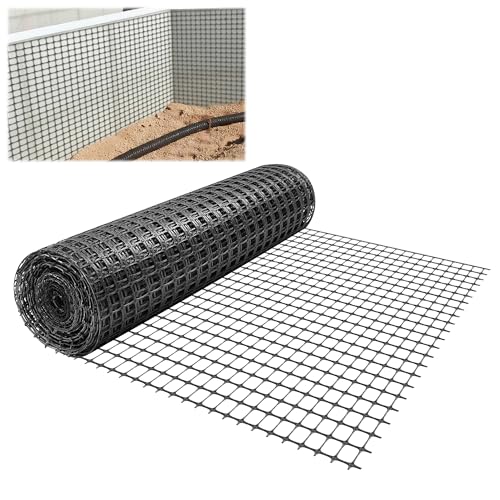
The FULEIYA geogrid is designed for retaining walls, distributing stress to enhance wall strength and service life. It provides up to 30 kN tensile strength, making it thicker and more resilient than many alternatives. If slight stretching is needed, applying gentle heat is advised, and users should stop pulling when the black lines narrow. The material is fiberglass, offering high tensile strength, corrosion resistance, aging resistance, and temperature tolerance. It can be cut to size for fitment on site, improving customization and installation speed.
Key Features
- 30 kN tensile strength for robust load handling.
- Fiberglass composition with excellent temperature and chemical resistance.
- Easy to cut and tailored to project dimensions.
Ideal for larger wall reinforcements or where high tensile capacity is required. This product supports even stress distribution and helps prevent soil settlement during construction, contributing to longer wall life and reduced maintenance.
ZechJinghool 3ft x 50ft Wall Geogrid

This geogrid uses bidirectional polypropylene to deliver reliable performance in both longitudinal and transverse directions. It resists deformation, oxidation, and aging, providing stable long-term results across various environments. The 3 ft x 50 ft size makes it practical for smaller sections, garden paths, decks, or driveways. The small mesh edge length of 0.8 inches/2 cm supports uniform ground stabilization when used as a bottom layer for roads and walls, helping deliver durable, steady surfaces.
Key Features
- Bidirectional polypropylene with balanced strength.
- Compact 3 ft x 50 ft size for targeted applications.
- Small mesh edge for improved stabilization.
Note: Local geogrids are generally best for reinforcement, leveling, and fencing, not load-bearing structures. This makes it a good choice for landscaping, terraces, and light-duty walls where stabilization is the primary goal rather than bearing heavy heavier loads.
Bi-Directional Universal Retaining Wall Geogrid (FULEIYA) — 66 ft x 3 ft
This longer FULEIYA roll extends 66 ft in length, still at 3 ft width, and maintains the same 30 kN tensile strength. The rugged fiberglass composition provides strong resistance to deformation and environmental factors, helping distribute loads across broader wall sections. Like the 50-foot variant, this geogrid supports soil reinforcement while resisting aging and temperature changes. It’s easy to cut to size for precise on-site fitting and offers a practical solution for longer walls or larger projects needing uninterrupted reinforcement across spans.
Key Features
- Longer 66 ft length for extended installations.
- Up to 30 kN tensile strength with fiberglass resilience.
- Cut-to-fit flexibility for varied site requirements.
For contractors or homeowners addressing longer wall runs, this option provides continuous reinforcement with fewer seams, improving uniform load transfer and stability across the wall face.
ZechJinghool 3ft x 164ft Wall Geogrid
The ZechJinghool 3 ft x 164 ft geogrid mirrors the long-roll approach, suited for extensive wall installations. Constructed from bidirectional polypropylene, it delivers strength in both directions and resists deformation across challenging environments. Its 0.8-inch mesh edge length supports stable ground contact and improved load distribution. The generous 164 ft length reduces the need to splice multiple rolls, streamlining installation for large yard projects, terraces, and parking areas needing dependable reinforcement.
Key Features
- Long 3 ft x 164 ft roll for fewer seams.
- Bidirectional polypropylene with durable performance.
- Compact mesh suitable for stable, uniform surfaces.
As with other geogrids, this product is best used for reinforcement and stabilization rather than bearing significant loads alone. It provides a solid base for subsequent surfaces like gravel, asphalt, or concrete.
Kerty Geogrid Roll 3.84ft x 164ft
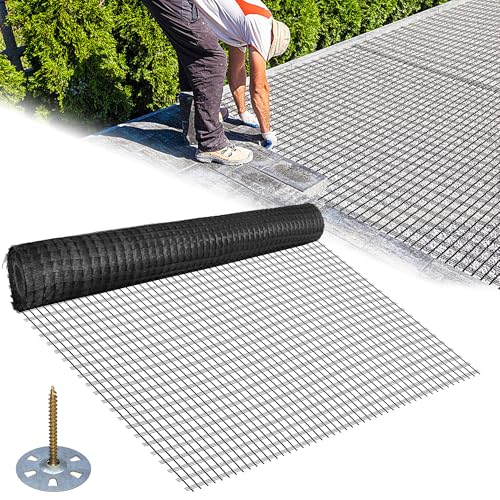
The Kerty geogrid roll covers approximately 656 square feet with a 1 inch by 1 inch grid and offers 50 KN tensile strength. Crafted from high-quality fiberglass, it provides strong, bidirectional reinforcement suitable for asphalt pavement, soil road slope reinforcement, and broader base stabilization. The material resists high temperatures, chemicals, and biological degradation, ensuring durability in harsh environments. It reduces excavation and material needs by distributing loads effectively and promoting long-term site stability, making it a strong option for large-scale projects.
Key Features
- 50 KN tensile strength for demanding reinforcement.
- Fiberglass with high temperature and chemical resistance.
- Wide coverage and load-distributing capabilities to lower maintenance needs.
For large residential developments or commercial sites, this roll provides a robust, lower-maintenance solution with fewer seams and a wide installation footprint.
Buying Guide: Key Considerations For Choosing Retaining Wall Geogrids
When selecting geogrids for retaining walls, several factors influence performance and value. Tensile strength, material type, mesh size, and roll length determine suitability for your project scope, wall height, and soil conditions. Fiberglass geogrids typically offer high tensile strength and resilience in demanding environments, while polypropylene options provide flexibility and corrosion resistance for lighter loads and decorative landscapes.
Consider these perspectives to make an informed choice:
- Load requirements: For high-stress walls or long-term stability, prioritize higher tensile strength (e.g., 30 kN or more) and sturdy materials like fiberglass.
- Project size and layout: Longer rolls reduce seams and labor, while shorter, narrower rolls offer convenient handling for smaller tasks.
- Soil and climate compatibility: Materials with oxidation and aging resistance perform better in harsh climates. Temperature tolerance matters for areas with extreme heat or cold cycles.
- Installation efficiency: Cut-to-fit capability and flexible roll designs save time and reduce waste during site work.
- Maintenance implications: Geogrids that minimize future settlement or deformation help lower long-term repair costs and site disruption.
- Cost versus benefit: While fiberglass may carry higher upfront costs, its durability can translate to longer service life and fewer maintenance events on demanding sites.
In summary, the best mesh option aligns with project scale, soil conditions, and budget. For extensive, heavy-duty reinforcement, fiberglass geogrids with high tensile strength and long rolls offer efficiency and durability. For mid-range projects or landscaping applications, polypropylene geogrids with easy customization provide reliable stabilization with straightforward installation. Always consider local building guidelines and consult a geotechnical professional for high-risk installations.