Discover the best sesame seeds for planting that yield healthy plants and flavorful harvests. This guide highlights five reliable options, focusing on seeds bred for garden growth, easy germination, and yields. Each selection supports home gardening, pollinators, and practical use in cooking or preservation. The following table summarizes the featured products, helping you compare at a glance before diving into more detailed information for each option.
| Product | Brand | Use |
|---|---|---|
| Organic Monticello Sesame Seeds (Sesamum indicum) | Smoke Camp Crafts | Edible seeds; supports pollinators; suitable for garden planting |
| Black Sesame Seeds for Growing Black Sesame Plants | Marde Ross & Company | Direct sow or transplant; for black sesame variety |
| White Sesame Seeds for Growing Sesame Plants | Marde Ross & Company | Non-GMO; easy germination; ornamental and edible potential |
| Elan Organic Sesame Seeds | Elan | Raw, non-GMO sesame; culinary-use seeds |
| Yupik Raw Black Sesame Seeds | Yupik | Raw, unroasted seeds; versatile for cooking and baking |
Organic Monticello Sesame Seeds (Sesamum indicum)

These seeds are bred for garden growth and edible use, offering a straightforward starting point for home sesame cultivation. They are described as edible seeds with significant oil and protein content, suitable for making cooking oil, sesame paste, or toppings. As a pollinator-friendly plant, Sesame Monticello can attract bees, moths, and butterflies, contributing to local biodiversity. Germination favors warm conditions, with a recommended 80°-90°F for best results. Seedlings typically appear within 7-14 days, and plants reach maturity in 90-130 days. Plant spacing is 2-3 feet, in full sun with well-draining soil. Hardy to 35°F, each plant may yield 1-3 tablespoons of sesame seeds.
Black Sesame Seeds for Growing Black Sesame Plants
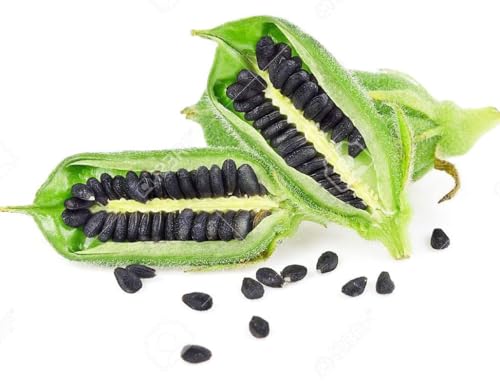
Designed for cultivation, these seeds are intended for starting black sesame plants with classic cultivation steps: start indoors 6 weeks before the last frost, plant 1/2 inch deep, and transplant after the danger of frost has passed. They can also be seeded directly into warm, fertile, and well-drained soil. Keeping the soil moist and fertilizing as needed supports healthy growth. Harvest occurs when seedpods ripen and split, after which seeds should be dried thoroughly. Open pods reveal the seeds, which are best stored in an airtight container in the refrigerator. The cultivar is optimized for home growers seeking traditional black sesame production.
White Sesame Seeds for Growing Sesame Plants

These white sesame seeds are promoted for growing sesame plants, with a simple sow-and-cover approach. The product emphasizes non-GMO status and a neonicotinoid-free seed treatment, appealing to gardeners seeking fewer chemical inputs. Germination and growth depend on a sunny location and well-drained soil. White sesame plants can be grown for edible seeds or as ornamental greenery. Gardeners should monitor moisture levels and avoid overwatering while ensuring consistent warmth for seed emergence. Suitable for both kitchen pantry use and garden-to-table cooking, these seeds offer a straightforward route to home sesame production.
Yupik Natural Sesame Seeds

Yupik Natural Sesame Seeds are marketed as whole, gluten-free, kosher, and vegan-friendly. While primarily positioned for culinary use, their natural seed quality makes them a viable option for planting, depending on your growing conditions. They provide a source of plant-based protein and fiber, and are suitable for seasoning, topping, and baking. Gardeners choosing this option should verify germination viability and consider starting with indoor seed trays before transplanting outdoors, ensuring warm temperatures and well-draining soil for successful establishment.
Elan Organic Sesame Seeds

Elan Organic Sesame Seeds are non-GMO and vegan, offering a raw, lightly flavored seed suitable for various culinary applications. They are presented as a nutritious topping and ingredient in baked goods, salads, and snacks. The seeds provide a source of protein, fiber, calcium, and iron, aligning with balanced-diet goals. For planting, gardeners should consider germination requirements, soil quality, and moisture management to optimize seed emergence and plant health, while recognizing the culinary versatility these seeds provide post-harvest.
2026 EarlyBird-200 Perilla Seeds

Perilla seeds (Shiso) are included as an herb seed option with microgreen potential. While not sesame, they offer a related edible seed experience and expand the gardener’s crop diversity for a kitchen garden. They are non-GMO and suited for indoor or outdoor growing, including pods and hydroponic setups. For planting, consider light requirements, space, and harvest timing, especially if growing microgreens for quick turnover in meals and garnishes.
Buying Guide
Key factors to consider when selecting sesame seeds for planting include germination rate, climate suitability, and growth habit. Choose seeds adapted to your USDA hardiness zone and ensure they thrive in warm, sunny conditions with well-drained soil. For indoor starting, look for seeds described as easy to germinate and transplant well. Consider whether you want edible harvests, pollinator support, or ornamental value. Open-pod harvesting and seed storage requirements are important, particularly for varieties intended for long-term storage. Non-GMO status and absence of neonicotinoid treatments may appeal to gardeners seeking organic practices. Compare germination times, expected yield ranges, and safety considerations for pollinator-friendly gardens, and plan for a staggered planting schedule to extend the harvest window.
Local climate, garden size, and cultivation goals shape which option is best. For beginner gardeners, starting with an easy-to-grow white or Monticello variety can provide a straightforward entry into sesame cultivation. Those targeting ornamental or pollinator-friendly cultivation may prioritize open pollination and nectar-bearing flowers. When comparing seeds, review packet instructions as many sesame strains have specific germination temperatures and maturation ranges. Finally, examine storage recommendations to maximize seed viability for future planting seasons.