Selecting the right grass seed for cattle pastures is essential for steady yields, erosion control, and sustainable grazing. The seeds below are formulated to support robust growth, good persistence, and nutrition for cattle across American climates. Each entry includes a quick reference to its standout characteristics and the type of pasture situation it best serves—from established fields needing revival to dry or over-seeded pastures requiring quick establishment.
| Product | Brand | Key Benefit | Notable Blend |
|---|---|---|---|
| Mountain View Seeds 100372 Cattle Pasture Mix | MOUNTAIN VIEW SEED | Strong persistence and high yields | Teton Tall Fescue, Orchardgrass, Tetramag Intermediate Ryegrass |
| Barenbrug SeedPasture25 | Barenbrug | Rapid establishment; versatile across climates | Pasture mix for multiple livestock |
| X-Seed Land Over-Seeder Pasture Mix | X-Seed | Micro-Boost enhanced growth; versatile grazing | 15% Maximo Ryegrass, Orchard Grass, Clover |
| X-Seed Pasture Land Dry-Land Forage Seed Mix | X-Seed | Formulated for hot, dry climates | Tall Fescue, Orchard Grass, Ryegrass |
| DLF Pasture Booster Clover Seed Mix | DLF | Protein-rich clovers; soil nitrogen benefits | White and Red Clover |
Mountain View 100372 Cattle Pasture Mix

The Mountain View Seeds 100372 Cattle Pasture Mix combines tall fescue, orchardgrass, and ryegrass with legume components to deliver a well-rounded forage blend. With excellent persistence and superior yields, this mix is designed for long-term pasture performance under rotational grazing. It suits established pastures that need uniform stands and resilient growth, as well as new seeding projects in temperate climates. The included clovers contribute protein and soil health benefits, supporting sustained cattle nutrition and pasture vitality over multiple seasons.
Barenbrug SeedPasture25

Barenbrug SeedPasture25 is crafted for rapid establishment and reliable pasture recovery, even under less-than-ideal conditions. This seed mix is suitable for all classes of livestock, including cattle, and it doubles as a forage stand for hay production when needed. The seed is endophyte-free, which enhances safety and palatability for grazing animals. Its climate flexibility makes it a practical option for northern regions and the transition zones, where weather variability can challenge pasture upkeep and regrowth after droughts or winter setbacks.
X-Seed Land Over-Seeder Pasture Mix

This over-seeder blend emphasizes Micro-Boost nutrients to improve germination and root development, supporting larger seedlings. It’s designed to revitalize existing pastures for consistent grazing and is well-suited for growing cattle forage in a variety of light and soil conditions. The mix includes a substantial portion of ryegrass and orchardgrass, complemented by clover, delivering both quick ground cover and enduring forage. It works well in temperate zones and can adapt to sun or partial shade, making it a versatile choice for mixed pastures needing renewal or expansion.
X-Seed Pasture Land Dry-Land Forage Seed Mix
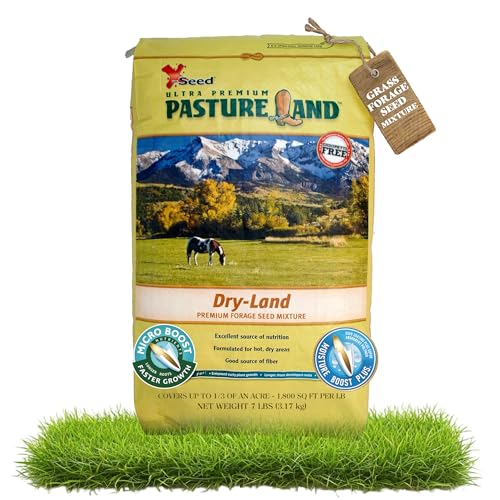
Specifically formulated for hot, dry climates, this 7-pound bag is a compact option for establishing and maintaining pastures in arid regions. The Micro-Boost technology accelerates germination and strengthens fibrous root systems, helping cattle pastures become productive sooner. The blend features tall fescue, orchardgrass, and ryegrass with strategic percentages to balance heat tolerance, drought resilience, and forage quality. It’s a practical choice for grazing lands that face summer stress, soil variability, and limited moisture.
DLF Pasture Booster Clover Seed Mix
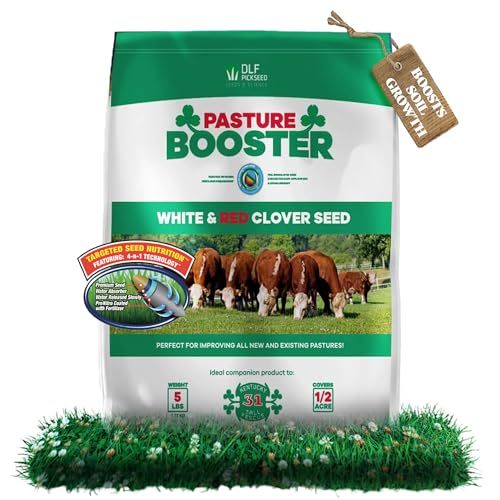
The DLF Pasture Booster Clover Seed Mix pairs robust clover varieties with compatible grasses to boost protein content and soil nitrogen. Ideal for pastures grazed by horses and cattle, this mix improves forage quality while supporting soil health and resilience in diverse soil conditions. The inclusion of clovers helps reduce fertilizer needs over time and fosters a richer, more balanced grazing system. The mix is pre-packaged for easy sowing and maintenance across a range of pasture types.
Buying Guide: Key Considerations For Selecting Grass Seed For Cattle Pastures
Choosing the right seed blend depends on climate, soil, grazing management, and long-term goals. Consider the following perspectives to ensure you pick a pasture mix that aligns with your cattle operation:
- Establishment Speed: If you need faster ground cover and forage, prioritize mixes advertised as rapid establishment or enhanced germination (for example, seed blends with ryegrass and Micro-Boost technology).
- Climate Suitability: Match the seed blend to your region’s climate—cool-season grasses for northern areas, warm-season or drought-tolerant blends for southern or arid zones.
- Soil Fertility: Legume components like clover add nitrogen to the soil, reducing synthetic fertilizer needs while boosting forage protein. Endophyte-free options reduce potential livestock exposure to toxins.
- Persistence and Yield: Tall fescue, orchardgrass, and ryegrass varieties typically offer good persistence and high forage yields under rotational grazing with proper management.
- Grazing Management: Align seed choices with your grazing plan. Some mixes are better for overseeding or recovery after drought, while others excel as primary pastures.
- Seed Availability and Support: Consider seed blends with regional availability and literature on performance under cattle grazing. End-user reviews and extension service guidance can help tailor selection to local conditions.
- Soil Conditions and pH: Check whether the blend tolerates a wide pH range or requires soil amendments. For sandy or compacted soils, root-building mixes with strong fibrous systems are advantageous.
In practice, producers may blend multiple strategies—establish a main pasture mix for regular grazing, supplement with a drought-tolerant option for hot months, and plan an overseeding schedule to maintain cover and productivity. Combining grasses with clovers can improve nutrition for cattle while enhancing soil health. Always follow best seeding rates, proper seedbed preparation, and seasonal timing to maximize establishment and long-term pasture performance.